2026 Top Trends in Industrial Control Systems for Global Buyers?
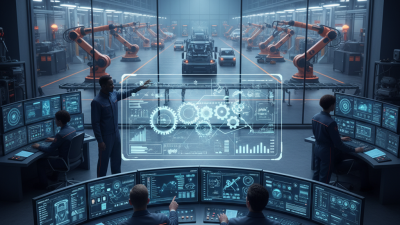
In 2026, the landscape of industrial control systems is evolving rapidly. This transformation impacts manufacturers, suppliers, and consumers worldwide. Key trends are emerging, shaping how businesses operate and interact. Understanding these trends is crucial for global buyers looking to stay competitive.
The integration of advanced technologies is redefining industrial control systems. Artificial intelligence and machine learning enhance efficiency and decision-making. However, challenges persist. Security threats and system compatibility issues require careful consideration. Buyers must assess these risks before adopting new solutions.
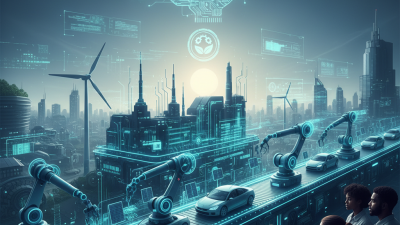
Sustainability is also a significant focus. Companies are increasingly prioritizing eco-friendly practices within their industrial control systems. This shift is not just a trend; it reflects a commitment to future generations. Buyers should be aware of this growing demand for sustainable solutions. Adjusting to these changes is essential for lasting success in the industry.

Emerging Technologies Transforming Industrial Control Systems in 2026
The landscape of industrial control systems (ICS) is evolving rapidly as we move closer to 2026. Emerging technologies are reshaping how industries operate, with significant implications for global buyers. According to a recent report by MarketsandMarkets, the ICS market is expected to reach $25 billion by 2026, driven by advancements in IoT, AI, and cybersecurity.
One of the most transformative technologies is the Internet of Things (IoT). IoT devices enable real-time monitoring and control, enhancing operational efficiency. However, the increased connectivity also raises security concerns. Industries must balance innovation with risk management. A survey by Gartner found that 70% of companies cite cybersecurity as their top challenge when integrating new technologies.
AI and machine learning are creating smarter control systems. They allow for predictive maintenance, which can save companies significant costs. Still, reliance on algorithms can lead to a lack of transparency. As AI systems learn and evolve, human oversight becomes essential. A study from McKinsey highlights that businesses using AI-driven solutions reported a productivity increase of up to 20%.
**Tips:** Embrace IoT cautiously to optimize your operations while monitoring security threats. Regular training on AI ethics can help mitigate the risks of over-reliance on technology. Ensure that your ICS strategies are adaptable, considering the rapid pace of technological change.
Key Market Drivers Influencing Industrial Control Systems Trends
Industrial control systems (ICS) are evolving rapidly. Several key market drivers are shaping trends in this domain. Cybersecurity remains a top concern. Reports indicate that cyberattacks on industrial systems have increased by over 50% in recent years. Companies are investing more in robust security measures. This shift is essential for protecting critical infrastructure.
Another significant driver is automation and AI integration. According to a recent study, 65% of organizations are adopting AI in control systems for improved efficiency. Automation minimizes human error and enhances productivity. However, companies must assess their current capabilities. Transitioning to automated systems can be complex and challenging.
Tips: Conduct an internal audit of your existing systems. Identify vulnerabilities before implementing new technologies. Training staff is crucial as technology evolves.
Sustainability is also influencing ICS trends. Industry reports show that more than 70% of companies prioritize eco-friendly practices. This focus not only reduces environmental impact but also caters to a growing market demand. Businesses need to align with sustainable practices to attract conscientious buyers. Balancing innovation with responsibility is vital for future success.
2026 Top Trends in Industrial Control Systems for Global Buyers
| Trend |
Market Driver |
Impact Level |
Projected Growth (%) |
| Increased Cybersecurity Measures |
Rising Cyber Threats |
High |
15% |
| Integration of AI and Machine Learning |
Demand for Automation |
Medium |
20% |
| Remote Monitoring and Control |
Need for Operational Efficiency |
High |
25% |
| Sustainability Initiatives |
Regulatory Compliance |
Medium |
18% |
| Edge Computing Adoption |
Data Processing Needs |
High |
22% |
Impact of Cybersecurity Innovations on Industrial Control Systems
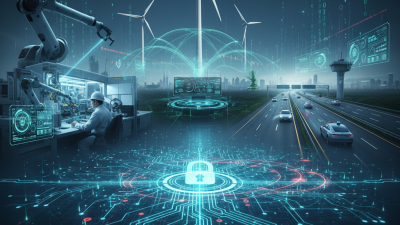
Cybersecurity plays a vital role in the evolution of industrial control systems (ICS). As these systems become more interconnected, their vulnerabilities increase. Threat actors target ICS to disrupt critical infrastructure. This has heightened the need for robust cybersecurity measures.
Innovations in cybersecurity are transforming how industries protect their systems. New technologies, such as artificial intelligence and machine learning, enhance detection and response capabilities. These advancements allow for real-time monitoring of threats. However, implementing these solutions is often complex and costly. Many organizations struggle to find the right balance.
Despite advancements, weaknesses remain. Cybersecurity is not foolproof, and complacency can lead to breaches. Employees may not always follow protocols. Training is crucial, but it is often neglected. Companies must foster a culture of security awareness. This shift requires ongoing effort and commitment at all levels to be truly effective.
2026 Top Trends in Industrial Control Systems
Sustainability Trends Shaping the Future of Control Systems
Sustainability is at the forefront of industrial control systems (ICS) evolution. A recent report by ResearchAndMarkets indicates that the global ICS market is expected to grow by over 8% annually, driven by the need for energy-efficient solutions. This growth is largely influenced by the rising demand for sustainable practices across industries. Companies are increasingly urged to adopt greener technologies, reflecting a broader societal shift towards environmental responsibility.
Implementing energy-efficient control systems can significantly reduce operational costs. A study from the International Energy Agency highlighted that optimizing existing ICS can lead to a 20% reduction in energy consumption. However, many organizations struggle to balance sustainability and operational efficiency. Transitioning to greener systems often involves high initial costs and operational disruptions. These challenges require businesses to approach sustainability thoughtfully and strategically.
Adopting cutting-edge technologies, such as IoT and AI, can enhance sustainability efforts in ICS. These technologies enable real-time monitoring, leading to smarter energy management. Yet, integrating new technologies presents its own set of challenges. Companies must invest in training and development to maximize the potential benefits of these innovations. The path toward sustainable industrial control systems is complex, necessitating careful planning and continuous evaluation.
Integration of IoT and AI in Industrial Control Systems by 2026
The integration of IoT (Internet of Things) and AI (Artificial Intelligence) into industrial control systems is set to transform the sector by 2026. Businesses will leverage real-time data to enhance operational efficiency. Sensors and devices will create a robust network, enabling seamless communication. This interconnected environment allows for better decision-making and proactive maintenance strategies.
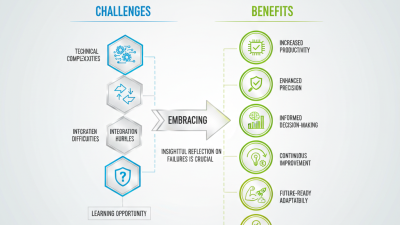
However, with this integration comes challenges. Data security becomes a critical concern. As systems become more connected, the vulnerability to cyber threats increases. Companies must prioritize robust security measures to protect sensitive information. Additionally, the reliance on AI raises questions about accountability. Ethical considerations regarding automated decision-making are crucial.
The adoption of IoT and AI will redefine workforce skills. Employees will need to adapt and upskill to manage advanced technologies. Continuous training programs will become essential. This shift may create gaps in the workforce, highlighting the need for targeted education. Organizations must invest in their human resources as much as their technologies. The future landscape of industrial control systems offers vast potential but also demands thoughtful implementation.