2026 Top Trends in PLC Control Panel Technology What to Expect?
As industries evolve, the role of PLC control panels becomes increasingly crucial. These panels are the backbone of automation in various sectors, driving efficiency and precision. In 2026, we can expect significant shifts in technology, design, and functionality.
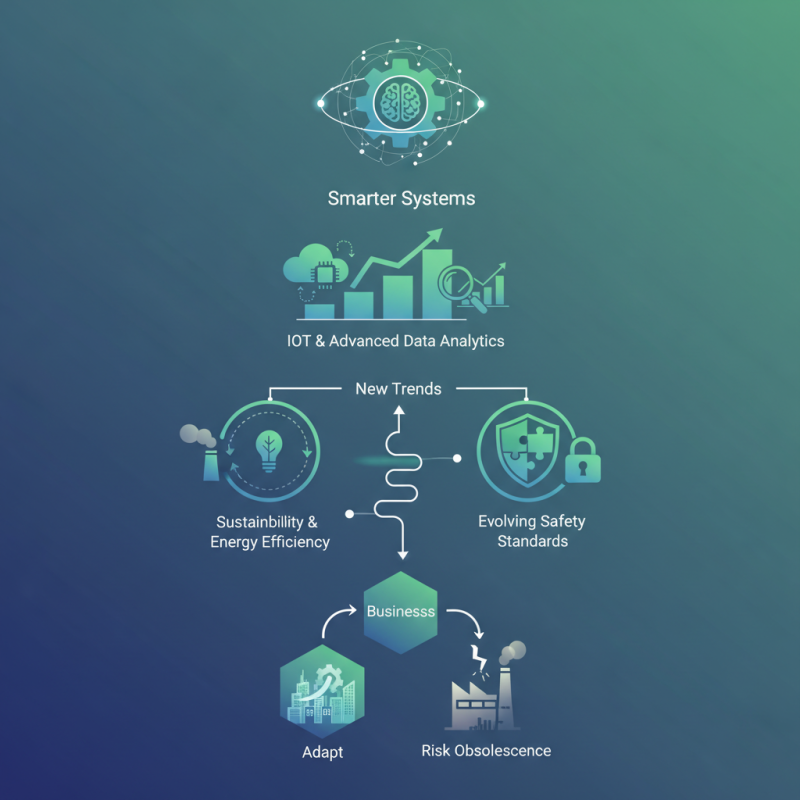
New trends will focus on smarter systems. The integration of IoT and advanced data analytics into PLC control panels is on the rise. As a result, operators can monitor processes more accurately. However, these advancements may also introduce complexities that require careful consideration.
There is a growing emphasis on sustainability and energy efficiency. Companies are challenged to balance innovation with environmental responsibility. Additionally, safety standards are evolving, demanding more from control panel designs. The future landscape will be shaped by these trends, urging businesses to adapt or risk obsolescence.
Key Innovations in PLC Control Panel Design for 2026
As we approach 2026, PLC control panel technology is undergoing significant innovations. One of the key trends is the integration of advanced automation features. These features enhance efficiency and allow for real-time data monitoring. For instance, users can expect panels that communicate seamlessly with IoT devices. This connectivity can improve diagnostics and predictive maintenance, reducing downtime.
Another notable change is in user interface design. Next-generation panels will prioritize user-friendliness. Touchscreens are becoming the norm, providing intuitive navigation. The focus on ergonomics means operators can manage complex tasks more easily. However, the challenge lies in balancing complexity with simplicity. Panels that try to do too much may confuse users, leading to potential errors.
Sustainability will also be a crucial consideration for 2026. Manufacturers are exploring eco-friendly materials for control panels. While this is a positive trend, the durability of these materials must not be compromised. Consumers will need to weigh the benefits against potential long-term impacts. It’s essential to find solutions that conserve energy without sacrificing functionality. Overall, the state of PLC control panels in 2026 promises advancements but also poses reflection on best practices.
Integration of IoT and Smart Technologies in PLC Control Panels
The rise of IoT and smart technologies in PLC control panels marks a significant shift in industrial automation. Reports suggest that by 2026, around 40% of control systems will include IoT capabilities. This integration allows for real-time monitoring and predictive maintenance, improving efficiency and reducing downtime. However, the adoption rate varies significantly across industries. Some sectors lag due to skill gaps and infrastructure limitations.
A recent study highlighted that only 30% of manufacturers are currently using smart technologies in their control panels. This gap reveals a need for upskilling and better education in the workforce. While many recognize the benefits, few have implemented these advancements. Security concerns about networked systems also hinder wider acceptance. Proper measures must be in place to protect sensitive data from cyber threats.
Moreover, the complexity of integrating IoT adds another layer of challenge. Many businesses struggle with the compatibility of existing systems with new technologies. As these trends evolve, it’s critical to address both the technological and human factors that affect implementation. Balancing innovation with reliability will shape the future landscape of PLC control panel technology.
2026 Top Trends in PLC Control Panel Technology What to Expect?
| Trend |
Description |
Impact |
Expected Adoption Rate (%) |
| IoT Integration |
Incorporating IoT devices for real-time data collection and monitoring. |
Enhanced operational efficiency and predictive maintenance. |
75% |
| Smart Technologies |
Utilization of AI and machine learning for better decision making. |
Improved accuracy and efficiency in control systems. |
65% |
| Cybersecurity Measures |
Strengthening security protocols to protect against threats. |
Increased trust in automated systems. |
70% |
| Cloud Computing |
Migrating control panel functions to the cloud for better scalability. |
Facilitates remote access and management. |
80% |
| Modular Design |
Adopting a modular approach to system design for easy upgrades. |
Reduces downtime during maintenance and upgrades. |
60% |
Advancements in Safety Features and Compliance Standards
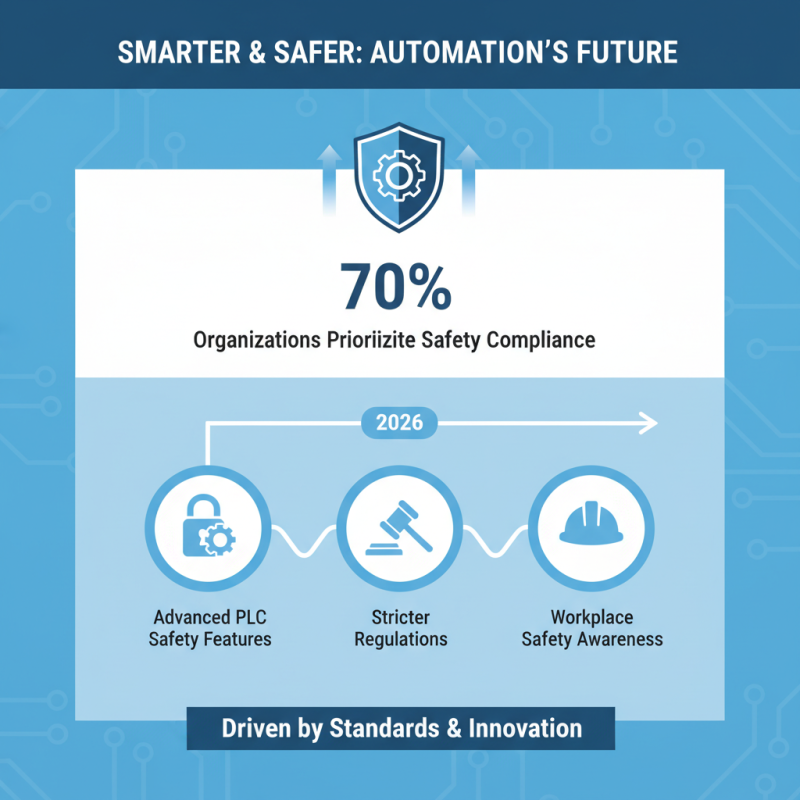
The focus on safety features in PLC control panel technology continues to grow. Recent reports indicate that by 2026, over 70% of organizations will prioritize safety compliance in their automation systems. This shift is largely driven by stricter regulations and increasing awareness of workplace safety.
Innovations are emerging in redundancy systems and emergency protocols. For instance, dual-channel safety relays offer higher reliability. They ensure that if one channel fails, another activates immediately. This change can significantly reduce downtime and potential accidents. Organizations implementing these systems report a 25% decrease in safety incidents.
Compliance standards are also evolving. New measures, such as ISO 13849, are becoming essential for manufacturers. These standards dictate how control panels must be designed to minimize risks. However, many companies still struggle with fully adopting these measures. The hurdle often lies in balancing technical limitations with compliance demands. A thoughtful approach is required for effective integration.
Trends in Energy Efficiency and Sustainability Practices
The shift towards energy efficiency and sustainability in PLC control panel technology is shaping the industry. Companies are increasingly focusing on reducing energy consumption. This is not just good for the environment; it also lowers operational costs. More manufacturers are adopting eco-friendly materials in their panels. The demand for renewable energy integration is rising.
Tips for improving energy efficiency include regular maintenance of control panels. This ensures optimal performance and reduces waste. Another strategy is to invest in advanced technologies like smart sensors. These sensors monitor energy use in real-time. Data can identify areas for improvement, enhancing both sustainability and efficiency.
Considering sustainability is crucial, but some challenges remain. Not all manufacturers prioritize eco-design. This can lead to inefficient products. Consumers sometimes overlook the importance of sustainability in their purchasing decisions. It's essential to acknowledge these gaps. Awareness can drive the industry towards better practices.
2026 Top Trends in PLC Control Panel Technology
This chart illustrates the expected adoption rates for key trends in PLC control panel technology by 2026. Energy efficiency and smart automation are leading in implementation rates, while remote monitoring and sustainability practices show a moderate yet significant interest among industries.
Future of User Interfaces and Human-Machine Interaction in PLCs
The future of user interfaces in PLC control panels is rapidly evolving. As industries embrace automation, the focus on
human-machine interaction becomes crucial. Modern interfaces will likely prioritize
intuitive designs and enhanced accessibility. The emphasis is on making everything user-friendly.
Clear visuals, responsive touchscreens, and customizable dashboards
are expected to dominate.
With advancements in technology, voice recognition and gesture control may become commonplace.
This innovation will allow operators to control systems hands-free. However, integrating these features can present challenges. Not all
operators will adapt quickly to such changes. Training is essential to ensure everyone is comfortable
with new technologies.
Moreover, feedback systems will play a vital role in improving usability.
Real-time data and analytics will guide operators in making informed decisions. Yet, overloading users with information can lead to confusion.
Striking the right balance between detail and clarity will be complex.
Understanding user needs is fundamental in designing effective PLC interfaces for the future.