10 Best Electrical Control Panels for Efficient Power Management?
In today's fast-paced world, efficient power management is crucial. An electrical control panel plays a vital role in this process. These panels help monitor and control electrical systems, ensuring optimal performance and safety. Choosing the right panel can significantly impact energy usage.
With various options available, identifying the best electrical control panel can be overwhelming. Each model has its unique features, which may be beneficial for different applications. Therefore, understanding one’s specific needs is essential. Users often overlook the importance of selecting a panel that aligns with their power requirements.
Efficiency, reliability, and durability are key factors in selecting an electrical control panel. However, the market is filled with models that vary in efficiency and performance. It’s important to research and review panels carefully. Each choice should meet both current and future demands for energy management. This journey might unveil unexpected insights and prompt reflection on how better decisions can be made.
What is an Electrical Control Panel and Its Functionality?
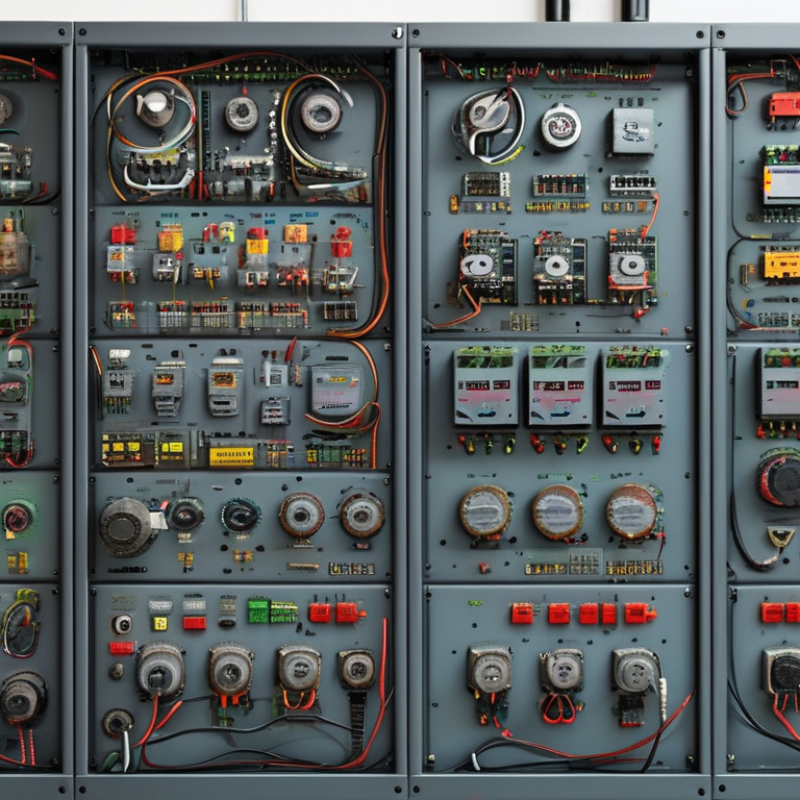
An electrical control panel serves as the brain of a power management system. It houses the components that regulate and distribute electricity throughout a facility. These panels are essential in industrial and commercial settings. They help manage various electrical functions, ensuring everything runs smoothly, from lighting to machinery.
According to a report by ResearchAndMarkets, the global market for electrical control panels is expected to reach $55 billion by 2025. This growth highlights the increasing reliance on efficient power management solutions. A well-designed panel can minimize energy waste, enhance operational efficiency, and provide critical safety protections. Using programmable logic controllers (PLCs) and motor starters, these panels automate processes, reducing manual intervention and potential errors.
However, not all panels are created equal. Challenges can arise due to improper installation or component selection. Furthermore, outdated panels may not accommodate advancing technology. Regular maintenance is also crucial; neglect can lead to failures. Organizations must assess their specific needs before selecting a control panel. A tailored approach ensures optimal functionality and aligns with the evolving demands of modern energy management.
Key Features to Look for in Efficient Electrical Control Panels
When selecting electrical control panels, certain features stand out. Efficiency and reliability are crucial. A good design minimizes energy loss. Look for panels that offer clear displays and intuitive interfaces. This helps operators monitor power usage easily. The best panels also include automation capabilities, optimizing performance.
Safety features should not be overlooked. Overcurrent protection and surge protection are important to prevent damage. Incorporating alarms adds a layer of security. Additionally, consider the panel's build quality. Durable materials can withstand harsh environments. Often, panels face dust or moisture that can affect performance.
While customizing panels might seem ideal, it can complicate maintenance. Not all technicians are familiar with slight modifications. Standardized systems can lead to efficiency in repairs. However, this does not negate the need for adaptability. It’s important for systems to evolve with technology changes. Balancing custom features with standardization requires careful thought.
10 Best Electrical Control Panels for Efficient Power Management
| Panel Type |
Key Features |
Max Load Capacity (kW) |
Input Voltage (V) |
Dimensions (mm) |
Weight (kg) |
| Standard Control Panel |
Overload Protection, Manual/Auto Switch |
100 |
400 |
600 x 400 x 200 |
25 |
| Smart Control Panel |
Remote Monitoring, Energy Management |
150 |
480 |
700 x 500 x 250 |
30 |
| Industrial Control Panel |
Heavy-Duty Components, IP67 Rated |
200 |
500 |
800 x 600 x 300 |
45 |
| Compact Control Panel |
Space-Saving Design, Quick Setup |
75 |
230 |
300 x 200 x 150 |
15 |
| Solar Control Panel |
Solar Inverter Integration, Monitoring |
125 |
600 |
700 x 600 x 250 |
35 |
| Home Automation Panel |
Smart Home Compatible, User-Friendly Interface |
100 |
240 |
500 x 400 x 200 |
20 |
| Control Panel with PLC |
Programmable Logic Control, Customizable |
250 |
480 |
750 x 550 x 300 |
50 |
| Motor Control Center |
Motor Control, Phase Protection |
300 |
600 |
900 x 700 x 350 |
70 |
| Emergency Control Panel |
Emergency Shutdown, Redundant Systems |
180 |
440 |
800 x 600 x 400 |
60 |
| Data Center Control Panel |
High Reliability, Multi-Voltage Support |
500 |
400 |
1000 x 800 x 500 |
80 |
Top 10 Electrical Control Panels for Enhanced Power Management
Electric control panels play a crucial role in managing power efficiently. They ensure systems operate smoothly and respond accurately to power requirements. In today’s rapidly evolving electrical landscape, a well-designed panel can enhance safety and reliability. According to industry reports, optimally functioning control panels can improve energy efficiency by up to 30%. This highlights their significance in serious energy management.
When selecting control panels, consider their adaptability to new technologies. Many modern panels support IoT connectivity. This enables real-time monitoring and adjustments to power usage. A flexible panel can save costs and optimize performance. Still, organizations may face challenges. Outdated systems might not integrate well, leading to inefficiencies. Regular evaluations are essential to identify such gaps.
**Tip:** Regular maintenance is vital for the longevity of any electrical control panel. Schedule checks to avoid unexpected failures. Another point to ponder: the balance between cost and functionality can be tricky. Investing in advanced panels might seem costly upfront, but long-term savings can be substantial. Always analyze the total cost of ownership for the best decisions.
10 Best Electrical Control Panels for Efficient Power Management
Comparative Analysis of Electrical Control Panel Brands
When choosing electrical control panels, it's crucial to compare leading brands. Each brand has unique features that enhance power management. Some panels prioritize efficiency while others focus on advanced technology. Consider how their design impacts user interaction. Many panels come with digital interfaces, making monitoring simpler. Others may stick to traditional controls, which can seem outdated.
Tips: Look for panels with user-friendly designs. Ease of use can significantly reduce training time for new operators. Efficient layouts help optimize workflow.
Durability also varies across brands. Some panels are built to withstand harsh environments, while others may not be as resilient. It’s essential to assess the material quality and weather resistance. However, a more robust panel often means a higher cost.
Tips: Evaluate the return on investment for each option. Balancing upfront costs with long-term reliability will ensure better outcomes. Check user reviews for insights on long-term performance.
Best Practices for Installing and Maintaining Electrical Control Panels
Installing and maintaining electrical control panels requires attention to detail and best practices. Proper installation is crucial for safety and efficiency. Ensure all connections are secure and properly insulated. This reduces the risk of short circuits and potential fires. Regular inspections can help identify wear and tear.
Tips for installation include using the right tools and following safety guidelines. Make sure to label wires clearly. This minimizes confusion during maintenance. Incorporate a system for tracking maintenance schedules. Regular checks can catch issues before they escalate.
It's important to remember that the environment impacts electrical panels. Dust and moisture can cause problems. Consider using enclosures to protect against these elements. Regular cleaning and monitoring are vital. Take time to reflect on your processes. This ensures that safety remains a top priority.