Best Nylon Insulated Terminal Options for Your Electrical Needs?
When it comes to electrical projects, choosing the right connectors is crucial. Nylon Insulated Terminal options stand out in the marketplace for their durability and reliability. These terminals are designed to withstand varying temperatures and environmental conditions, making them ideal for both indoor and outdoor use.
The nylon insulation adds an extra layer of protection, preventing short circuits and other electrical issues. This insulation is lightweight yet strong, allowing for secure connections in tight spaces. However, not all nylon terminals are created equal. Some might show signs of wear and tear faster than expected. It’s essential to assess products based on your specific needs and usage frequency.
In many cases, people overlook the importance of quality in nylon insulated terminals. Cutting corners can lead to problems down the line. Awareness of different brands and specifications can guide you towards making more informed choices. After all, proper connections can make or break your electrical setup.
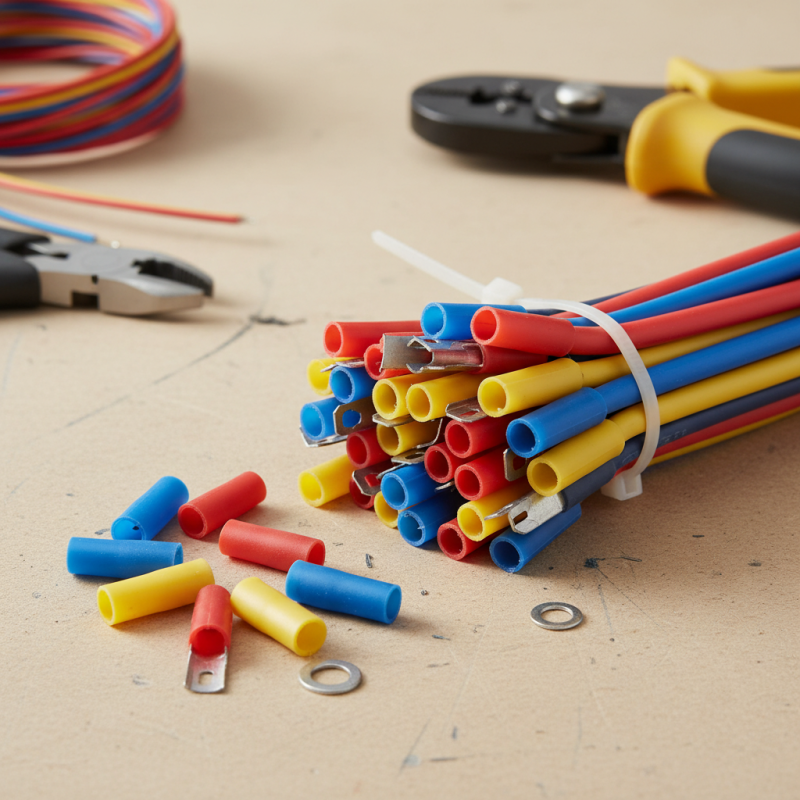
Best Practices for Selecting Nylon Insulated Terminals in Electrical Systems
When selecting nylon insulated terminals for your electrical systems, certain best practices can guide your decision. First, consider the application temperature. Nylon terminals are effective in environments ranging from -40°C to 105°C. This range directly affects performance and longevity. According to industry reports, poor temperature management can lead to terminal failures. Even minor overheating can reduce a terminal's lifespan by up to 30%.
Another important aspect is the terminal's compatibility with wire sizes. The chosen terminal must fit securely to ensure reliable connections. Research indicates that improper sizing results in increased resistance and potential overheating. This can be a silent problem that engineers often overlook. Often, a poorly fitted terminal can lead to systemic failures, making careful selection crucial.
Lastly, consider the environmental factors at play. Nylon terminals are resistant to moisture, chemicals, and UV light. However, they are not impervious to all forms of damage. Prolonged exposure to harsh conditions can degrade performance. A review of case studies highlights that environmental stress leads to a failure rate of approximately 15% in long-term applications. Thus, regular assessments can mitigate unexpected issues and maintain system integrity.
Key Features of High-Quality Nylon Insulated Terminals to Consider
When choosing nylon insulated terminals, several key features should stand out. The durability of the nylon material is crucial. Quality nylon can withstand harsh environments, resisting temperature changes and moisture. This factor is essential for ensuring consistent performance in electrical applications. A well-made terminal should also provide a solid grip. The connection needs to be secure to prevent any unintentional disconnection. Look for options that offer a reliable crimping mechanism for optimal performance.
Another important aspect is the size and compatibility. Ensure the terminal fits your specific wire gauge and application. Ill-fitting terminals can lead to poor connectivity and potential safety hazards. Labor-saving features, like easy-to-use designs, can make installations more efficient. Less time spent on connections means more focus on the overall project.
Lastly, consider the color coding. Accurate labeling aids in organization and simplifies troubleshooting. However, this feature is often overlooked. A lack of color coding can confuse users, especially in complex setups. High-quality nylon insulated terminals should have visible, clear markings on them. Keeping these details in mind can enhance your connections and overall electrical system performance.
Comparison of Nylon Insulated Terminals vs. Other Insulation Types
When considering electrical insulation, nylon insulated terminals offer distinct advantages. Compared to other insulation types, nylon is known for its durability and resistance to abrasion. It withstands harsh environments better than PVC and other materials. These terminals perform well in extreme temperatures, making them suitable for various applications.
Tips: Always check the temperature ratings before choosing terminals. A mismatch can lead to failures.
Nylon terminals can be slightly more expensive than their counterparts. However, the long-term benefits often justify the initial cost. Other materials can degrade faster, leading to potential safety hazards. Consider long-term performance when making your choice.
Using nylon terminals means better protection from moisture and chemicals. This provides peace of mind in demanding conditions. But remember, not all applications require premium options. Evaluate your specific needs carefully; sometimes, simpler solutions are just fine.
Industry Standards for Nylon Insulated Terminals: UL and IEC Compliance
When choosing nylon insulated terminals, understanding industry standards is crucial. Two primary standards are UL (Underwriters Laboratories) and IEC (International Electrotechnical Commission). These standards ensure safety and reliability in electrical connections. Compliance with UL means that products have passed rigorous testing. Similarly, IEC standards focus on international safety protocols. Knowing these can help guide your choices.
Many users might overlook the importance of certification. It’s a common mistake. Some might opt for low-priced terminals without checking compliance. This can lead to failures, which might cause overheating or electrical shorts. Quality terminals should exhibit clear labeling and documentation. Gaps in standards can result in costly repairs down the line.
In addition, not all nylon terminals perform equally. Temperature ratings and durability can vary significantly. Testing under real-life conditions reveals these differences. Choosing a certified product doesn't guarantee perfect performance, but it does offer peace of mind. Be prepared to assess and verify each option you consider. Every detail matters when ensuring the safety of your electrical systems.
Cost-Benefit Analysis of Using Nylon Insulated Terminals in Projects
The use of nylon insulated terminals can offer significant advantages for electrical projects. They resist moisture and corrosion, enhancing longevity. This makes them suitable for various environments. However, the cost of these terminals can sometimes be higher than other options. The initial investment can deter some users.
Yet, considering the long-term savings, nylon insulated terminals often prove cost-effective. They help prevent electrical failures and maintenance costs over time. Choosing quality terminals can save future headaches. Still, some users might find the installation process tricky. It can take time to master proper techniques for securing connections.
Investing in these terminals does require consideration. Not all projects may need the added durability. For simple tasks, alternative options might suffice. Understanding specific project needs is crucial. Weighing costs against potential benefits can guide better decisions. It’s essential to reflect on what really matters for each individual project.
Cost-Benefit Analysis of Nylon Insulated Terminals