2026 Best Photovoltaic Connectors Which Ones to Choose?
When it comes to solar energy, Photovoltaic connectors play a crucial role. They ensure reliable connections between solar panels and other system components. Picking the right connectors can significantly impact both performance and safety.
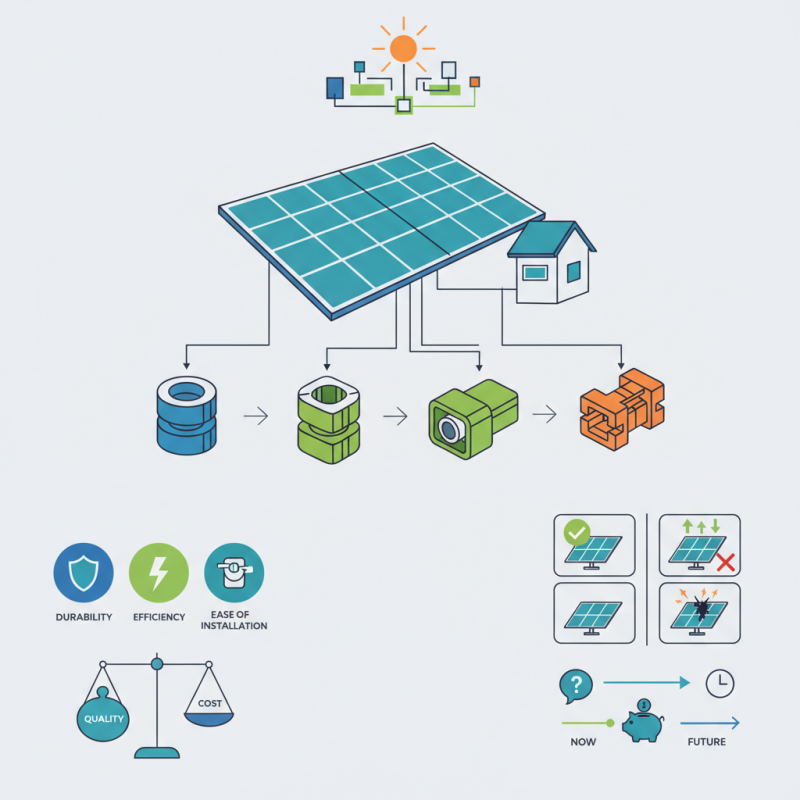
In 2026, the variety of photovoltaic connectors available can be overwhelming. Each type has its own specifications and advantages. Factors such as durability, efficiency, and ease of installation are crucial to consider. Users often overlook the long-term benefits of investing in high-quality connectors.
Errors in choice can lead to system failures. It’s essential to weigh these details carefully. Many still wonder if they prioritize cost over quality. This often leads to regret later. Understanding the importance of selecting the best photovoltaic connectors is vital for anyone invested in solar technology. Making informed decisions now can save time and money in the future.
Overview of Photovoltaic Connectors in Solar Energy Systems
Photovoltaic connectors play a crucial role in solar energy systems. They ensure reliable electrical connections between solar panels, inverters, and other system components. A recent report from the Solar Energy Industries Association indicates that the solar market is projected to grow by 20% annually. This growth demands robust connectors to handle increased energy loads and harsh environmental conditions.
Many factors influence the choice of photovoltaic connectors. The material of the connectors determines their longevity and performance. Copper connectors offer high conductivity but may corrode in humid environments. On the other hand, aluminum connectors are lightweight but may not perform as well in extreme temperatures. It's essential to conduct thorough testing to identify potential issues.
**Tip:** When selecting connectors, prioritize those with a good IP rating. This rating measures the connectors' resistance to dust and water ingress. Higher ratings can prevent costly maintenance in the long run.
Installation practices also matter. Incorrectly installed connectors could create hot spots, leading to power loss or even fires. Consistent training for installation teams is necessary. Monitoring and assessing these connectors over time help in identifying possible failures. Proper documentation and regular inspections can enhance system reliability.
Key Features to Consider When Choosing Photovoltaic Connectors
When selecting photovoltaic connectors, a few key features are essential to consider. The most important is the connector's compatibility with your solar panels. Ensure the connectors fit securely to minimize energy loss. Check the voltage and current rating to match your system's specifications. This step seems simple, yet many overlook it, leading to inefficiencies.
Another aspect is the weather resistance of the connectors. Look for materials that can withstand harsh environmental conditions. UV resistance is crucial for longevity; otherwise, connectors may degrade quickly. Many users find that connectors fail when exposed to extreme temperatures, which is often neglected in the selection process.
Ease of installation should also be considered. Connectors that are easy to connect and disconnect save time. Complex connections can lead to mistakes, causing damage or malfunction. A user-friendly design can be a game-changer, yet some options still pose challenges. Therefore, reviewing feedback from others can provide valuable insights into real-world applications.
Top Brands and Models of Photovoltaic Connectors for 2026
When selecting photovoltaic connectors in 2026, understanding the top brands and models is crucial. The market is evolving. There is a wider range of options available, and many connectors offer specific features. Look for those that provide durability and efficiency. Quality materials ensure reliable connections under harsh conditions.
Some connect better in varying temperatures. Consider waterproof options for outdoor installations. Some models shine in easy installation and maintenance. Yet, not every connector has a user-friendly design. A few connectors may be difficult to work with. Users report issues, which can be frustrating during installation.
There are new entrants in the market. They promise advanced features but may lack proven performance. It’s wise to read user reviews. While some models stand out for their reliability, others may fall short. Balancing innovation with proven reliability will guide you to the best choice for your photovoltaic needs.
Comparative Analysis of Photovoltaic Connector Performance and Durability
When selecting photovoltaic connectors, performance and durability are crucial factors. Recent industry reports indicate that over 80% of connector failures occur due to poor durability. The connectors’ lifespan can directly affect the system's efficiency and overall energy output. Choosing connectors that withstand extreme weather conditions is vital. They need to perform reliably in various temperatures and humidity levels.
High-quality connectors typically offer better insulation and resistance to environmental factors. Tests show that connectors from top manufacturers can last up to 25 years. However, costlier options do not always guarantee better performance. It’s worth noting that cheaper connectors may fail sooner, leading to increased maintenance costs. Perform regular checks on connectors to ensure they are free from corrosion and damage.
Tips: Always consider the certifications of the connectors. Look for UL or IEC certifications. These indicate a level of quality assurance. Also, analyze the connector compatibility with your solar panels before making a purchase. Misalignment can lead to efficiency losses. Invest time in research; it can save money in the long run.
Installation and Maintenance Tips for Optimal Use of Photovoltaic Connectors
When installing photovoltaic connectors, attention to detail is crucial. Ensure that the surfaces are clean and dry. Proper cleaning prevents dust and moisture from causing poor connectivity. Inspect each connector closely before installation. Look for any signs of wear or damage. A small crack may lead to significant issues later.
Once installed, regular maintenance is a must. Monitor the connectors for loose connections. Tightening them can be a straightforward task. Check for corrosion as well. This can be a silent problem that worsens over time. If corrosion appears, consider replacing the affected connectors. A proactive approach helps ensure longevity and efficiency.
It's common to overlook these small details during the process. Many tend to focus solely on the solar panels. However, connectors play a vital role in overall energy production. Taking time to reflect on their importance can lead to better performance. Investing effort in both installation and upkeep can pay off significantly in the long run.
2026 Best Photovoltaic Connectors: Performance Comparison