10 Best PLC Programming Practices for Efficient Automation?
In the realm of automation, PLC programming stands as a cornerstone for efficiency. According to a recent market report by Statista, the industrial automation sector is projected to reach $296 billion by 2026. This growth emphasizes the critical role of effective PLC programming practices. With more industries adopting automation, the demand for skilled PLC programmers has surged. Yet, many organizations struggle with inconsistent coding standards and outdated methodologies.
Implementing best practices in PLC programming can significantly enhance efficiency and reduce downtime. Research shows that up to 70% of programming errors stem from inadequate documentation and unclear processes. An investment in structured coding practices not only improves readability but also eases maintenance. Many organizations overlook the importance of regular training, contributing to a skills gap in the workforce.
While advancements in automation technologies are rapid, the principles of efficient PLC programming can lag behind. Organizations must prioritize continuous improvement by refining their approach. By focusing on established programming practices, companies can harness the full potential of PLCs to optimize their automation strategies and drive growth.

Effective Understanding of PLC Programming Basics
Understanding PLC programming is essential for anyone in automation. It involves creating instructions that control machinery and processes. Grasping the fundamental concepts can significantly impact project success.
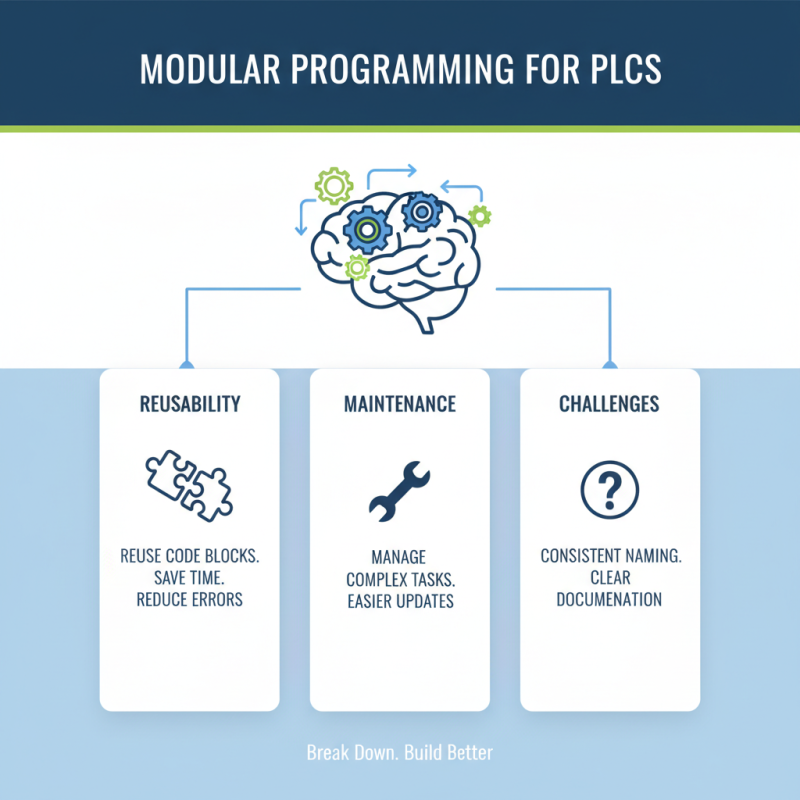
Here are some tips for effective PLC programming. Break down complex tasks into smaller units. This approach makes troubleshooting easier. Modular programming enhances reusability. Create functions for repetitive tasks. It saves time and minimizes errors.
Additionally, always document your code. Clear comments help you and others understand the logic later. Reflections on past projects can guide future efforts. Familiarize yourself with the basics of ladder logic and function block diagrams. Using these tools effectively can improve your programming skills greatly. Don't hesitate to revisit fundamental concepts. Mastering the basics is an ongoing journey.
10 Best PLC Programming Practices for Efficient Automation
Importance of Using Descriptive Variable Names in PLC Code
Descriptive variable names in PLC programming are crucial for clarity and efficiency. Using clear names helps programmers understand the code quickly. For instance, instead of labeling a variable as "x" or "temp," naming it "MotorSpeed" or "ValveStatus" conveys its purpose. This practice reduces confusion when revisiting projects.
Many programmers overlook this. They might be in a rush. As a result, variables get vague names. This leads to misinterpretation and errors. Future modifications become tedious. When a new team member encounters code, unclear names can create hurdles. Descriptive names invite collaboration and foster better understanding among team members.
In automation, clarity is key. It saves time and effort in debugging. A small investment in naming spreads benefits across the entire project. Though it requires a bit more thought initially, the returns are significant. Reflecting on this highlights the need for continuous improvement in coding habits. Naming might seem trivial, but it shapes the entire project’s success.
Structured Programming Techniques for Enhanced Readability
Structured programming techniques play a crucial role in PLC programming. They enhance code readability, which is vital for anyone involved in automation. According to recent industry reports, clear and concise code reduces errors by up to 30%. This makes troubleshooting more efficient, saving time and resources.
Using modular programming is an effective method. Breaking down code into smaller, manageable units simplifies maintenance. This is important as about 60% of automation projects face delays due to code complexity. Blocks of code should have descriptive names and comments. However, programmers often neglect this detail, leading to confusion. Complex logic can also deter even experienced developers.
Consistency is key in structured programming. Keeping a standard naming convention aids in collaboration. Many teams fail to establish these standards, resulting in chaotic workflows. A guideline from the automation sector suggests that well-structured code can cut revision time in half. Balancing structured techniques with practical experience is critical for success.
10 Best PLC Programming Practices for Efficient Automation
| Practice |
Description |
Benefit |
| Use Structured Programming |
Adopt modular design to enhance code readability |
Simplifies debugging and maintenance |
| Consistent Naming Conventions |
Create standardized naming rules for variables and functions |
Improves code clarity and reduces confusion |
| Commenting Code |
Add comments to describe complex logic or functionality |
Enhances understanding for future programmers |
| Use of Data Types |
Select appropriate data types for variables |
Reduces errors and improves performance |
| Implement Error Handling |
Develop methods to catch and manage runtime errors |
Increases system reliability and uptime |
| Utilize Function Blocks |
Encapsulate related functions within blocks |
Promotes reusability and organization |
| Perform Regular Updates |
Keep software and programs up to date |
Enhances security and introduces new features |
| Test and Validate |
Conduct thorough testing of all programs |
Ensures the system operates as intended |
| Document All Changes |
Record what changes were made and why |
Tracks development history for future reference |
| Collaborate with Team |
Engage with team members for input and improvements |
Encourages a shared understanding and knowledge |
Implementing Comprehensive Testing and Documentation Practices
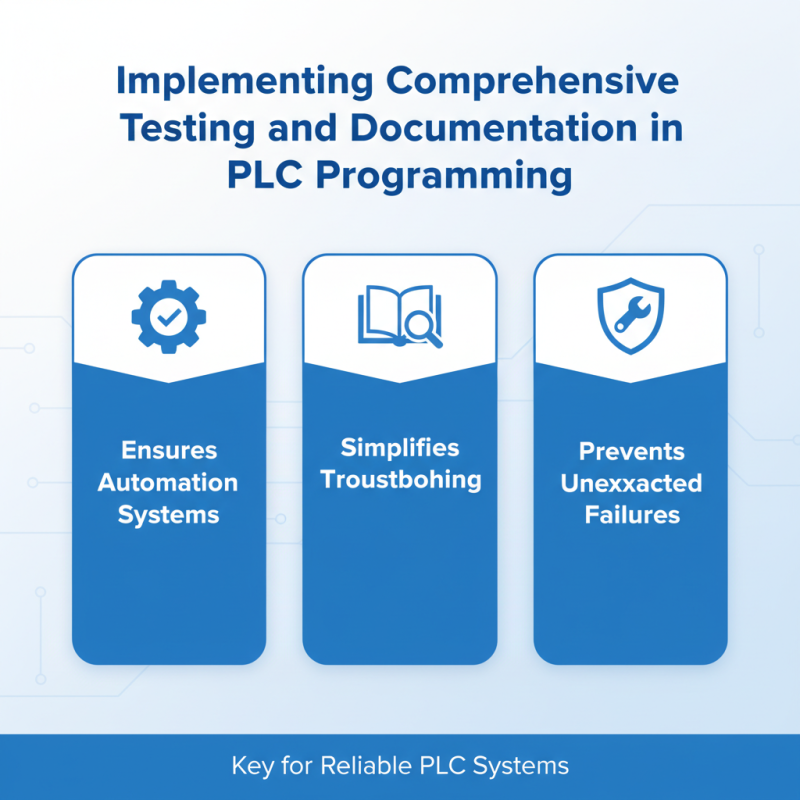
Implementing comprehensive testing and documentation practices is essential in PLC programming. These practices ensure that automation systems run efficiently. Without proper documentation, it can be challenging to troubleshoot issues. Moreover, incomplete tests may lead to unexpected failures.
During the testing phase, create structured test cases. This will help verify each function of the PLC program. Consider using simulation tools. They allow you to replicate real-world scenarios safely. Note that even the best-designed programs can contain bugs. A thorough review process is vital to catch these mistakes early.
Documentation should include wiring diagrams, logic descriptions, and version histories. This makes it easier for future engineers to understand the system. Keep your documentation updated. An oversight here can lead to miscommunication and errors. Every change made in the program should be logged. This fosters accountability and clarity.
Tips: Utilize comments in your code. They provide context, making it easier for others to understand. Regularly review your documentation. A fresh perspective can highlight areas needing improvement. Embrace feedback from colleagues. This can enhance the overall quality of your work. Remember, effective documentation is a tool for success, not just a requirement.