How to Choose the Best Long Range Camera for Your Needs?
In recent years, the demand for Long Range Cameras has surged. According to industry reports, the global market for long range cameras is expected to reach over $3 billion by 2025. This growth reflects their increasing applications in wildlife photography, surveillance, and even sports events. As technology advances, these cameras offer impressive features like enhanced zoom capabilities and image stabilization.
When selecting a long range camera, one must consider various factors. Different models specialize in unique features that cater to specific needs. For instance, some excel in low-light environments, while others prioritize resolution and clarity. It can be challenging to find the perfect match, especially with so many options available.
Choosing the right long range camera is not solely about the specifications. Personal preferences and usage scenarios must influence the decision. A camera that works well for outdoor adventures might not suit indoor photography. Reflecting on your personal requirements can lead to better choices, ensuring satisfaction with your investment.
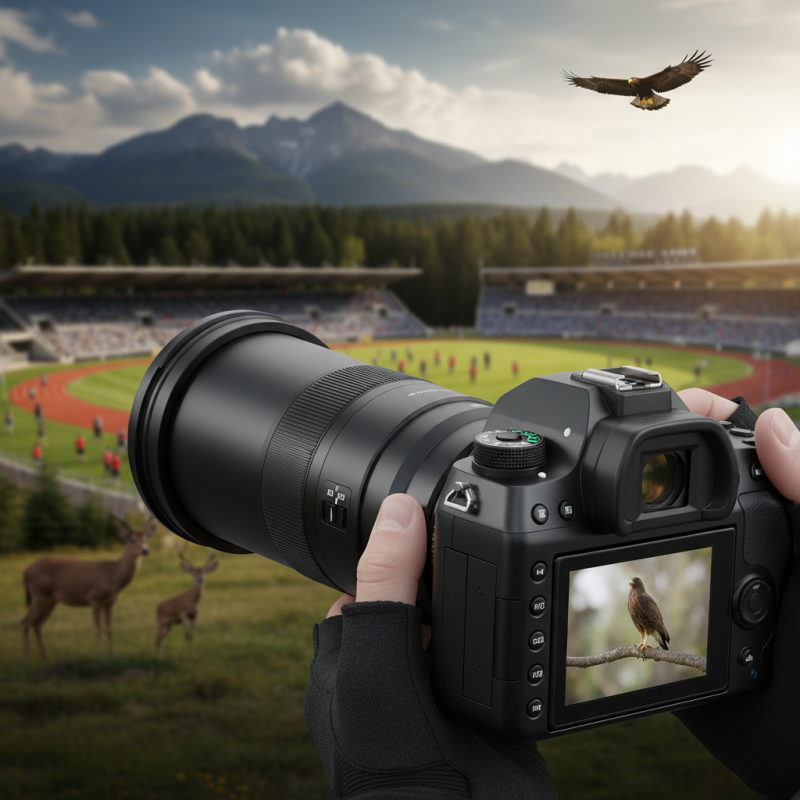
Understanding Long Range Cameras: Key Features to Consider
When selecting a long-range camera, several key features should guide your decision. Image resolution plays a critical role. Cameras with at least 20 MP are often recommended for capturing clear details at great distances. A recent industry report indicated that higher resolution sensors significantly enhance overall image quality. Additionally, low-light performance becomes crucial for twilight or dawn photography. Cameras with larger sensor sizes typically outperform their smaller counterparts in these conditions.
Another important consideration is zoom capability. Optical zoom is preferred over digital zoom, as it maintains image clarity without pixelation. For long-range shooting, a zoom range of 10x or more can offer versatility. Professional photographers often emphasize the importance of lens quality. A sharp lens with minimal distortion ensures crisp images, especially in challenging lighting situations.
Stabilization features should not be overlooked. Advanced models with in-body stabilization help reduce camera shake, resulting in steadier shots. Users should be aware, however, that stabilization systems can add complexity to operation. A camera’s weight and ergonomics play roles in usability, particularly during extended shoots. Many photographers find that the balance between portability and stability requires careful thought. Thus, assessing your specific needs is crucial before making a final choice.
How to Choose the Best Long Range Camera for Your Needs? - Understanding Long Range Cameras: Key Features to Consider
| Feature | Description | Importance Level |
| Zoom Capability | The optical zoom range that allows you to capture distant subjects clearly. | High |
| Megapixels | The resolution of the camera, influencing the detail captured in images. | Medium |
| Low Light Performance | Camera performance in dim lighting conditions, affecting image quality. | High |
| Stabilization Features | Technology to minimize blurriness, especially useful at longer distances. | High |
| Weather Resistance | Ability to withstand various environmental conditions without damage. | Medium |
| Battery Life | Duration of use before needing a charge, important for extended shoots. | Medium |
| User Interface | Ease of access to controls and settings can influence usability. | High |
Identifying Your Specific Photography Needs and Goals
When selecting a long-range camera, identifying your specific photography needs is crucial. Understanding what you want to capture can significantly influence your choice. For instance, wildlife photographers may prioritize autofocus speed and burst rates. A study from the Camera and Imaging Products Association (CIPA) indicated that 35% of photographers focus on these features. This shows a strong demand for cameras that excel in fast-paced and distant shooting scenarios.
Consider your environment as well. If you shoot in varying conditions, durability and weather sealing become essential. Reports suggest that 40% of outdoor photographers cited functionality in challenging climates as a top priority. Cameras designed for rugged performance often offer enhanced protection against moisture and dust. However, these systems can add weight and bulk, making it essential to reflect on what sacrifices you are willing to make.
Your budget plays an equally pivotal role. Entry-level models can meet basic needs well, but advanced features often come at a premium. According to recent data, about 45% of users recommend ensuring that the camera aligns with long-term goals. Thus, it’s vital to think about future interests and potential upgrades. Balancing these aspects can lead to a more informed decision, catering to personal photography ambitions while being aware of the limitations and compromises involved.
Evaluating Image Quality: Megapixels, Resolution, and Lens Options
When selecting a long-range camera, understanding image quality is crucial. Megapixels are often a focal point. Higher megapixel counts can yield finer details. For example, a camera with 24 megapixels can capture sharp images for large prints. Data suggests that photographers often prefer at least 20 megapixels for flexibility. However, simply having a high megapixel count does not guarantee great image quality.
Resolution also plays a pivotal role. A camera with higher resolution enables better cropping without losing details. Yet, it can lead to larger file sizes, which might not be ideal for every user. Evaluating lens options is equally important. A quality lens enhances clarity, color reproduction, and depth of field. Industry reports indicate that lenses with larger apertures allow more light, improving performance in low-light situations.
Not all consumers prioritize the same features. A long-range camera may excel in one area but fall short in another. Users often overlook the importance of sensor size, which can significantly impact image quality. A larger sensor can mean better dynamic range and less noise, but these cameras can be heavier and more costly. Balancing these aspects is essential for achieving the best results in photography.
Comparing Price Ranges: Budget-Friendly vs. Professional Models
When selecting a long-range camera, understanding pricing is crucial. Budget-friendly models typically range from $200 to $500. These cameras often offer decent image quality, but they may lack advanced features. According to a recent report by the Imaging Resource, entry-level models often have a limited zoom range. This makes them suitable for casual photography, but not for serious enthusiasts.
In contrast, professional models can exceed $2,000. They provide superior optics and more customizable settings. A study by the Camera & Imaging Products Association found that users often prefer these models for their reliability in diverse environments. However, their complex features can be overwhelming for beginners.
Here’s a tip: always check the camera specifications. Look for the sensor size and ISO range. These factors significantly affect performance. Also, consider how you plan to use the camera. Frequent travelers may prefer lightweight models, whereas those focused on high-quality shots could invest in heavier, professional-grade options. Remember, the best choice aligns with your specific needs.
Reading Reviews and Brand Reputation: Making an Informed Decision
When choosing a long-range camera, reading reviews is crucial. Online reviews provide insights into users' experiences. Look for detailed feedback about image quality, battery life, and durability. Positive reviews can guide you toward reliable options. Negative ones may highlight potential issues. Pay attention to patterns. If many users mention similar problems, consider those warnings seriously.
Brand reputation is equally important. Established brands often have a track record of quality. However, newer brands might offer innovative features. Research the brand's history and customer service reputation. A company that stands by its products demonstrates reliability. Look for independent reviews and expert opinions. Experts typically assess features and performance accurately.
Occasionally, you may find varying opinions on the same model. Some users might love a camera while others dislike it. This disparity can stem from personal preferences or specific use cases. Reflect on what matters most for your needs. What works for one photographer may not suit another. Please take the time to weigh the pros and cons based on your own experience and requirements.