What is a CNC Lathe Machine and How Does It Work?
In the world of precision manufacturing, a Cnc Lathe Machine stands out as a critical tool. Experts like John Smith, a renowned engineer, believe, "The CNC lathe machine revolutionizes how we shape materials." This technology enables designers and manufacturers to create intricate parts with unmatched accuracy. The machine uses computer numerical control to automate processes, enhancing efficiency and reducing human error.
A CNC lathe machine can work with various materials, from metals to plastics. By spinning the material against a cutting tool, it shapes the object according to precise specifications. However, knowledge gaps still exist among operators. Many underestimate the complexity involved in programming and setting up the machine correctly. Mistakes can lead to wasted materials and time, revealing the importance of training and experience.
CNC lathe machines continue to evolve, integrating advanced software and features. While they enhance capabilities, understanding their operation is crucial. The journey through mastering a CNC lathe machine is filled with challenges. Reflecting on mistakes can lead to better results in the future. As technology advances, continuous learning becomes essential for anyone in the field.
What is a CNC Lathe Machine?
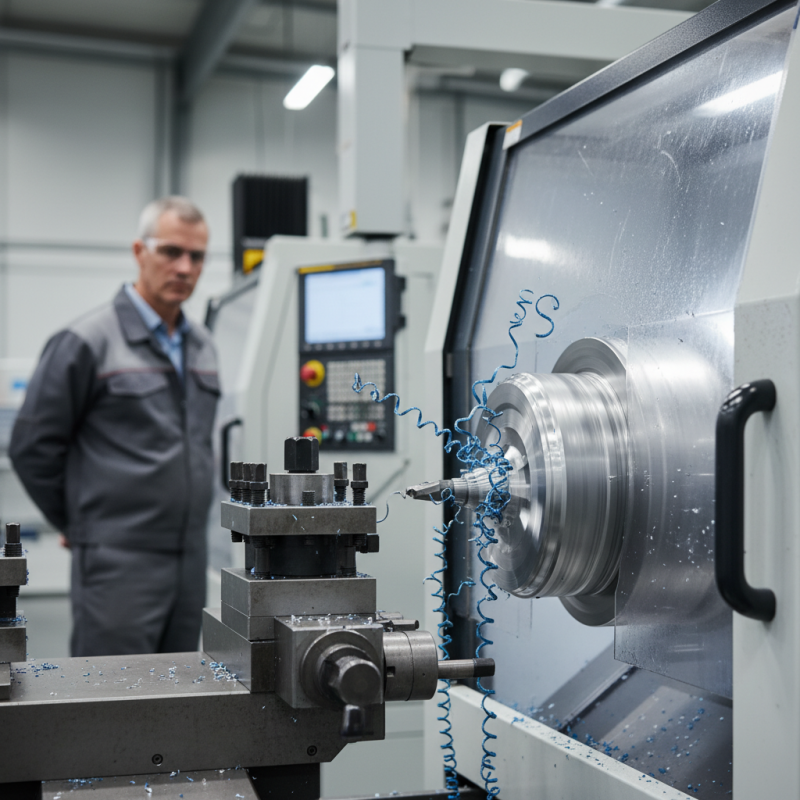
A CNC lathe machine is a powerful tool used in manufacturing. It automates the process of shaping materials, typically metals or plastics. The term "CNC" stands for computer numerical control. This means a computer controls the movements of the lathe for precision shaping.
When materials are placed on the lathe, they rotate at high speeds. The cutting tools, guided by the computer, interact with the materials. The design can be adjusted in real time, allowing for complex shapes and sizes. However, not all designs translate well to this process. Some intricate patterns may require re-evaluation. Adjustments might be needed during production to achieve the desired outcome.
Operators must ensure that the machine settings align with design specifications. A small error in measurements can lead to significant issues in the final product. It is crucial to monitor the process closely. Understanding the limits of a CNC lathe machine is essential. It provides great efficiency but demands attention to detail. Striking a balance between creativity and precision often leads to the best results.
Key Components of a CNC Lathe Machine
A CNC lathe machine is essential in modern manufacturing. Understanding its key components can help in operating it efficiently.
The spindle is the heart of the CNC lathe. It rotates the workpiece, allowing tools to shape it. The speed and power of the spindle determine the type of materials you can work with. Make sure to choose the right spindle speed for your project. It can affect surface finish and precision.
Next, the tool post holds the cutting tools. This component allows for quick changes between different tools. A well-organized tool post can save time during production. Remember to keep tools sharp and clean. Dull tools can lead to poor cuts.
The control system is crucial for automation. It interprets G-code to guide the lathe's movements. A user-friendly interface can make programming easier. Always double-check your commands to avoid mistakes.
Tips: Regular maintenance of all parts is key. Inspecting the spindle and tool post can prevent larger issues. It's good practice to document any anomalies during use. This helps you recognize patterns over time.
What is a CNC Lathe Machine and How Does It Work? - Key Components of a CNC Lathe Machine
| Component | Description | Function |
| Spindle | The rotating part of the lathe that holds the workpiece. | Drives the workpiece during machining. |
| Tool Holder | Holds the cutting tool in place. | Enables precise cutting and shaping of materials. |
| CNC Controller | The computer that controls the lathe's operations. | Interprets G-code instructions for machining. |
| Bed | The structure that supports all other components. | Provides stability and alignment for machining processes. |
| Chuck | Device used to hold the workpiece securely. | Ensures accurate positioning of the workpiece. |
| Tailstock | Supports the opposite end of the workpiece. | Provides additional support for long workpieces during machining. |
Working Principles of a CNC Lathe Machine
A CNC lathe machine is a powerful tool used in precision engineering. Understanding its working principles can help users maximize its potential. At its core, a CNC lathe uses computer-controlled systems to automate the machining process. This allows for high levels of accuracy and repeatability.
The working principle involves rotating a workpiece while a cutting tool shapes it. The CNC software sends commands to the machine, dictating the tool's movements. This can involve simple tasks, like turning, or complex operations, such as threading. Each cycle of movement must be precise; even minor errors can lead to significant flaws.
Operators must constantly monitor the machine. Often, unexpected issues arise during production. Adjustments may be needed to ensure quality. Regular maintenance and calibration are crucial. CNC machines require care and attention to function optimally. Understanding these principles is vital, but the learning curve can be steep.
Applications of CNC Lathe Machines in Industry
CNC lathe machines have revolutionized manufacturing. They are essential in various industries, including automotive, aerospace, and healthcare. According to a recent report by MarketsandMarkets, the CNC machine market is expected to reach $117 billion by 2025. This growth illustrates the increasing reliance on precise machining technologies.
In the automotive industry, CNC lathes create complex parts like gears and shafts. These components require high accuracy, usually within 0.01 mm. The aerospace sector benefits from their ability to produce lightweight, durable components, crucial for flight safety. Medical devices also rely on CNC technology for making intricate parts. Precision and consistency are key in these applications, impacting overall product quality.
Tips: Regular maintenance of CNC lathe machines is crucial. It can prevent unexpected breakdowns. Training staff on operational procedures can enhance productivity. Remember, continuous improvement is necessary. Adopting new technologies can be beneficial. However, not all innovations suit every operation. Consider your unique needs before investing.
CNC Lathe Machines Applications in Various Industries
Advantages of Using CNC Lathe Machines
CNC lathe machines provide numerous advantages that enhance the manufacturing process. One significant benefit is precision. These machines operate with high accuracy, allowing for intricate designs. This helps in industries where detail is crucial, such as aerospace and automotive manufacturing. The ability to produce consistent parts reduces waste and improves efficiency.
Another advantage is automation. CNC lathe machines require less manual intervention, freeing up workers for other tasks. This can lead to safer work environments and increased productivity. Moreover, these machines can run continuously, maximizing output. However, this reliance on technology can create challenges. If a machine malfunctions, it can halt production and lead to delays.
Cost-effectiveness is also important. While initial investments can be high, the long-term savings often outweigh the costs. Reduced material waste and lower labor costs contribute to this. Yet, companies must be cautious. Over-automation might lead to skill gaps in the workforce. Balancing technology and human skills remains a challenge for many manufacturers.