In today's fast-paced global market, selecting the right control systems is crucial for operational success. Buyers face numerous options, each with unique advantages and challenges. Understanding these can streamline decision-making and enhance efficiency.
Control systems play a vital role in various industries, from manufacturing to energy management. However, many global buyers overlook key factors that can impact their investment. These factors include compatibility with existing infrastructure and scalability for future growth. It’s essential to deeply assess how different systems align with specific business needs.
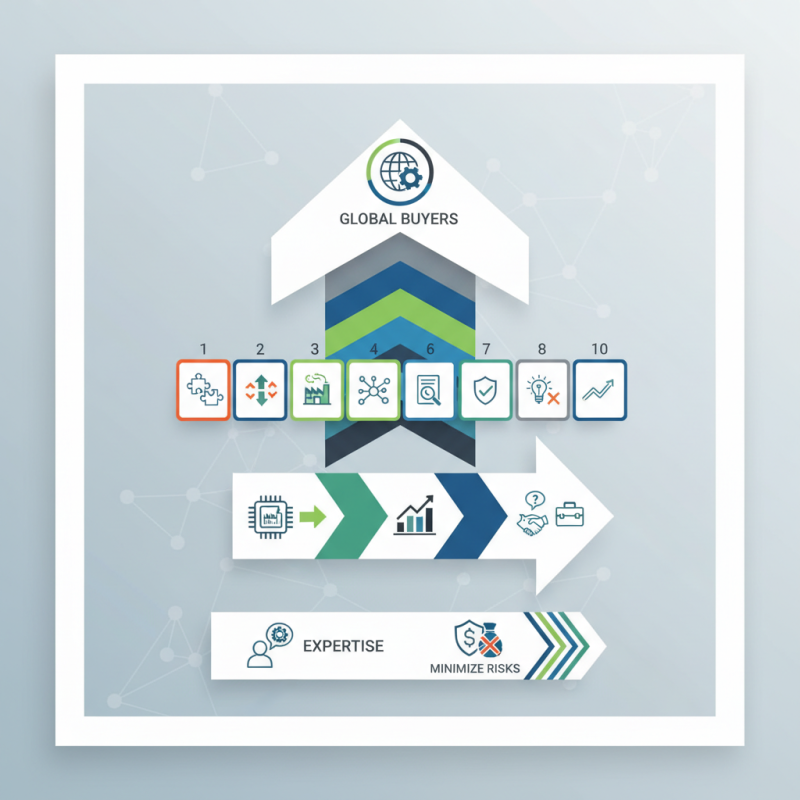
Navigating the complexity of control systems requires expertise and insight. Buyers must be aware of potential pitfalls, such as inadequate support or hidden costs. Engaging with reliable vendors and seeking expert opinions can greatly minimize risks. To thrive in an ever-evolving landscape, a well-informed approach to control systems is necessary.
The global control systems market is evolving rapidly. Buyers must stay informed about key trends and drivers. Technological advancements are at the forefront. The rise of automation increases the demand for sophisticated control systems. These technologies offer improved efficiency and performance.
Market globalization presents challenges and opportunities. Different regions have varying regulatory requirements and standards. Buyers must understand these local nuances. Economic factors also play a role. Fluctuations in currency and trade policies can impact costs dramatically.
Sustainability is increasingly important for buyers. Many industries focus on reducing their carbon footprint. This shift affects the type of control systems in demand. Buyers should prioritize energy-efficient solutions. Balancing budget constraints with sustainability goals is often a complex task. Keeping track of these dynamics is essential for success in today’s market.

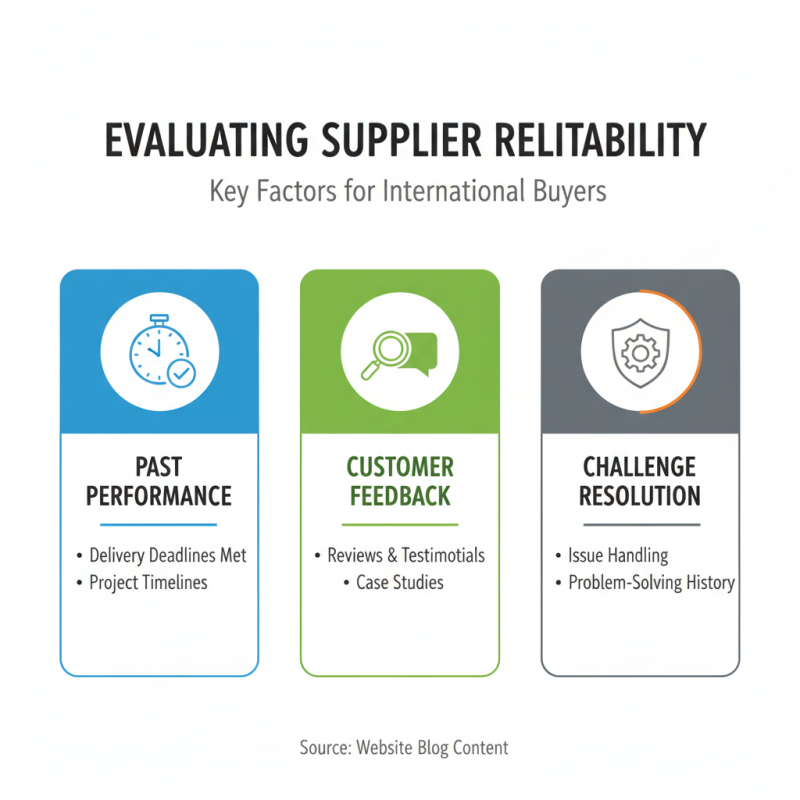
When evaluating supplier reliability, international buyers must consider several key factors. Past performance is a crucial element. A supplier's history of meeting delivery deadlines can significantly impact project timelines. Look for customer reviews and case studies. They provide insight into how a supplier handles challenges.
Another important aspect is communication. Effective communication fosters a transparent relationship. Language barriers can hinder understanding. Therefore, ensure the supplier has representatives who can communicate clearly. This can prevent misunderstandings that might lead to delays.
Price is only part of the equation. Quality matters just as much. Understand the standards the supplier adheres to. Certifications can indicate a commitment to quality. However, don’t rely solely on certifications. Visit the facility if possible to assess processes firsthand.
Finally, be wary of overly optimistic promises. Some suppliers may underestimate timelines or costs. It’s vital to manage expectations and build in contingencies. Trust your instincts when something feels too good to be true. Ultimately, evaluating these factors will lead to more reliable partnerships in the global market.
Technological advancements significantly shape the efficiency of control systems. Innovations such as artificial intelligence and machine learning are revolutionizing operational capabilities. These tools enable systems to analyze data more accurately and make real-time adjustments. Enhanced data analytics leads to more precise control, allowing companies to optimize resource allocation and reduce costs.
However, the rapid pace of technology can create challenges. Organizations may struggle to keep up with the latest developments. Insufficient training can hinder the effective use of new tools. Additionally, integrating advanced systems into existing infrastructures often requires significant investment. Companies need to assess their specific needs before adopting new technologies.
The impact of technological advancements is profound, yet not universally positive. While automation improves efficiency, it can lead to job displacement. Workers may find it difficult to adapt to a highly automated environment. Balancing technology with human skills is critical. Continuous evaluation of both technology and workforce capabilities can lead to better outcomes in control systems efficiency.
| Tip Number | Tip Description | Technological Impact | Efficiency Improvement (%) |
|---|---|---|---|
| 1 | Invest in IoT Integration | Enhanced real-time data collection | 25% |
| 2 | Utilize Cloud-Based Control Systems | Scalable and flexible management | 30% |
| 3 | Incorporate Machine Learning Algorithms | Predictive maintenance capabilities | 35% |
| 4 | Adopt Cybersecurity Measures | Protection against data breaches | - |
| 5 | Enhance User Interface for Operators | Improved control and monitoring | 15% |
| 6 | Focus on Energy Efficiency | Reduced operational costs | 20% |
| 7 | Implement Remote Monitoring Solutions | Decreased downtime | 40% |
| 8 | Utilize Advanced Analytics | Data-driven decision making | 28% |
| 9 | Conduct Regular System Audits | Identify efficiency gaps | 10% |
| 10 | Collaborate with Technology Partners | Access to cutting-edge tools | - |
When considering global purchases, a comprehensive cost-benefit analysis is essential. This process helps to identify key factors influencing decisions. It involves evaluating potential investments against their expected returns. Not every purchase leads to profit. Sometimes, assessing the long-term benefits can reveal valuable insights.
Investors should analyze operational costs, maintenance, and possible future expenses. Each variable impacts the overall investment strategy. For instance, cheap products might lead to higher long-term costs due to poor performance. A reliable system can seem expensive upfront but save money later. Assessing risk is crucial. Unexpected failures can erode initial savings.
In-depth research is vital. Gathering data on market trends aids in making informed decisions. Utilizing expert opinions can bring clarity. Understanding local regulations and standards is also necessary. Every region has its own nuances that affect pricing and performance. Balancing these elements leads to informed choices. Preparing for potential challenges helps mitigate risks. Ultimately, a well-rounded perspective supports effective investment strategies.
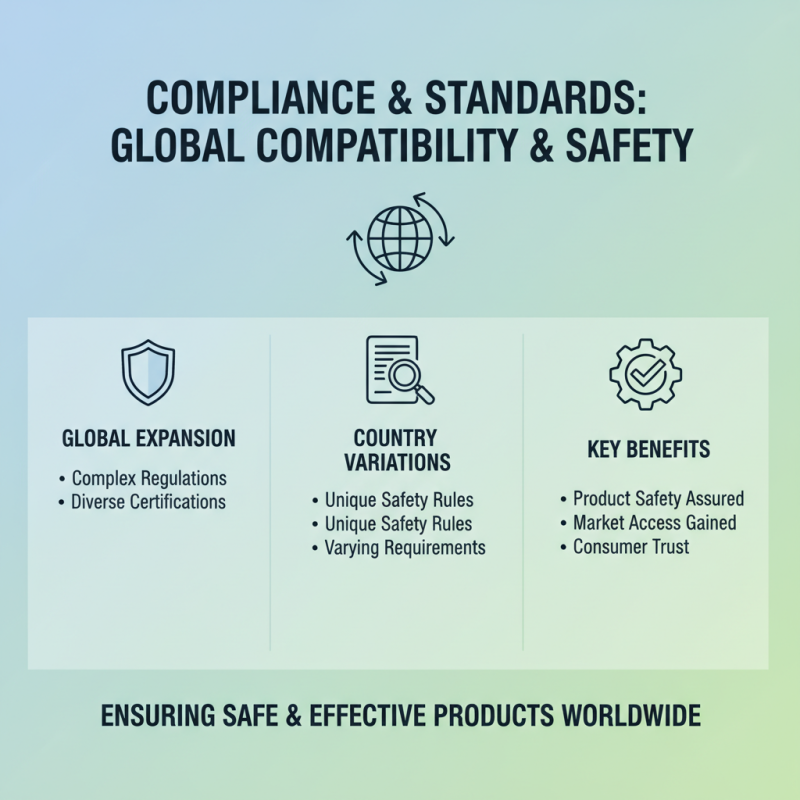
When expanding globally, compliance and standards become critical factors. Buyers must navigate a complex landscape of regulations and certifications. Each country has its own safety standards that can vary widely. Understanding these requirements is not just about ticking boxes; it’s about ensuring the end product is safe and effective.
Buyers should conduct thorough research on local regulations. This often means consulting with local experts who understand the nuances of compliance. For instance, emissions standards in Europe differ significantly from those in Asia. A misunderstanding can lead to costly delays and recalls. Investing time in compliance education pays off, as it establishes trust with consumers and partners.
Another area for reflection is the evolving nature of regulations. Standards can change abruptly, influenced by technology or political climate. Regularly reviewing compliance measures may seem tedious, but it’s necessary. Companies engaging in global trade must adapt swiftly. This ongoing commitment to understanding and implementing standards is what leads to sustainable success in diverse markets.