Why Are Automation Solutions Essential for Modern Business Success?
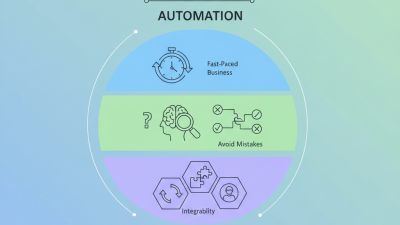
In today's fast-paced business world, automation solutions have become essential for success. Companies face intense competition and changing customer demands. Embracing automation can help streamline operations and improve efficiency. This technology reduces human error and speeds up processes, allowing businesses to focus on growth.
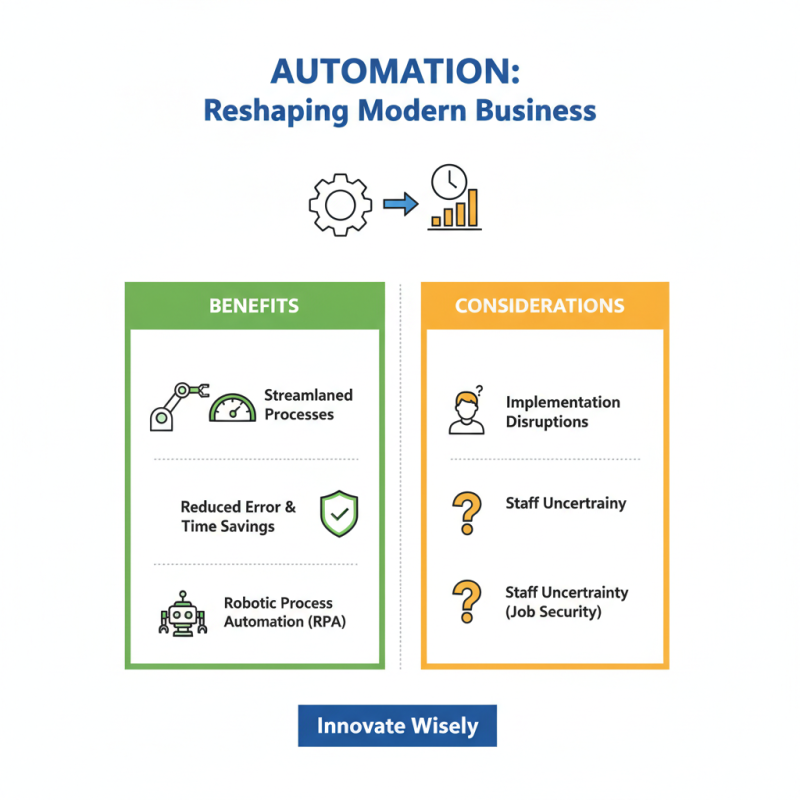
Automation solutions offer tangible benefits. They can reduce operational costs and enhance productivity. For instance, tasks that once took hours can now be completed in minutes. However, not every business has fully adopted these technologies. Some organizations face challenges in integrating automation into their existing systems. This hesitation can stem from a lack of understanding or fear of change.
Moreover, companies must be mindful of the potential downsides. Over-reliance on automation can lead to a disconnect with customers. Personal touch may diminish in customer service. Therefore, finding a balance is crucial. Embracing automation solutions should not mean abandoning human interaction. Successful businesses will learn to navigate these complexities to thrive in the modern marketplace.

The Role of Automation in Enhancing Efficiency and Productivity
In today's fast-paced business landscape, automation plays a crucial role in enhancing efficiency and productivity. According to a report by McKinsey, automation can increase overall productivity by as much as 20% in various sectors. Tasks that once took hours can now be completed in mere minutes. This allows employees to focus on higher-level responsibilities, fostering innovation and creativity.
However, the transition to automation is not without its challenges. Many companies struggle to integrate automated solutions effectively. Research suggests that 40% of businesses cite workforce resistance as a significant barrier. While automation tools promise efficiency, they require training and adaptation. Systems can sometimes fail or underperform, leading to frustration.
On the bright side, companies that embrace automation often see significant cost reductions. The World Economic Forum notes that businesses can save up to 30% on operational costs with the right automation strategies. Despite some hurdles, the potential benefits are substantial. Organizations must strike a balance between automation and maintaining a skilled workforce. Embracing this balance will ultimately drive modern business success.
Impact of Automation on Business Efficiency and Productivity
This chart illustrates the impact level of various benefits derived from the implementation of automation solutions in modern businesses. Each category reflects how automation enhances efficiency and productivity, emphasizing the crucial role it plays in achieving business success.
Benefits of Automation Solutions for Cost Reduction and Resource Optimization
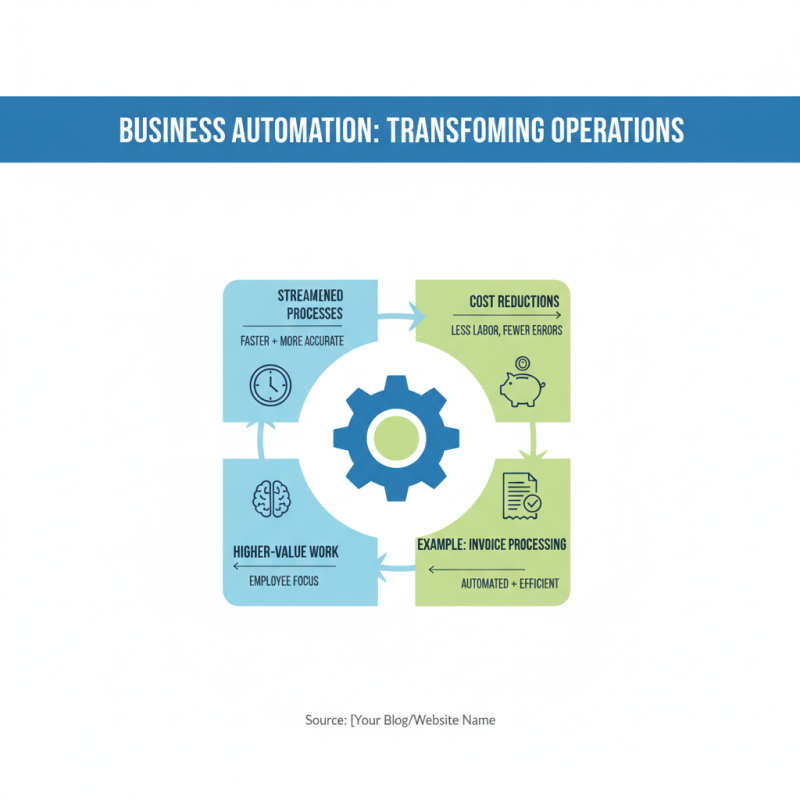
Automation solutions are transforming how businesses operate. These tools streamline processes, leading to significant cost reductions. Routine tasks can be executed faster and more accurately. This efficiency allows employees to focus on higher-value activities. For instance, invoice processing can be automated, reducing labor hours and minimizing errors.
Resource optimization is another major benefit. By analyzing data, businesses can allocate their resources more effectively. Automation provides insights into where expenses can be trimmed. For example, if a machine underperforms, adjustments can be made swiftly. Yet, some companies struggle to implement these systems fully. They may face resistance from employees or lack proper training.
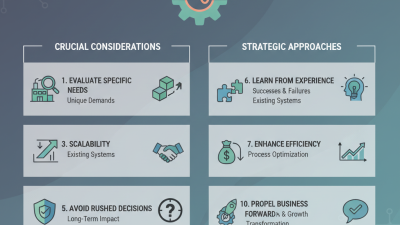
Incorporating automation requires careful planning. Businesses must consider what tasks to automate first and how it affects the workforce. It’s important to strike a balance. Automation should serve to enhance human roles, not replace them outright. While the promise of lower costs and optimal resources is enticing, the journey involves ongoing evaluation and adaptation.
Challenges and Considerations When Implementing Automation Strategies
Implementing automation strategies can be a complex undertaking for businesses. Many organizations face challenges such as resistance to change among employees. This reluctance can stall the progress of new systems. Training staff properly is crucial for ensuring a smooth transition. Workers need time and resources to adapt to new tools.
Another consideration is the integration of new technologies with existing systems. Compatibility issues can arise, leading to frustration. Investing in thorough testing before full-scale implementation can reduce these risks. Proper research is essential. It helps identify potential pitfalls early on.
Tip: Start small by automating low-risk tasks. This allows teams to gain confidence and experience. Gradually expand automation efforts as people become more comfortable. Frequent feedback from employees will help refine processes. Address any concerns that arise promptly to maintain morale.
Future Trends in Automation and Their Implications for Business Success
Automation is reshaping the business landscape dramatically. Companies across industries are investing in automation technologies. This trend is driven by the need for efficiency and cost reduction. Processes once performed manually are now automated, leading to faster operations. Still, businesses must carefully evaluate which tasks to automate. Over-automation can lead to loss of personal touch. It’s a balancing act that requires strategic thinking.
Future automation trends suggest even deeper integration of artificial intelligence and machine learning. These technologies are advancing rapidly. They can analyze data at unprecedented speeds and offer insights. However, businesses should not solely rely on automated systems. Human oversight remains crucial. Employees must adapt and upskill to collaborate with these technologies. There’s a risk of widening skill gaps among workers, which can impact morale. Companies must prioritize training to ensure everyone can thrive in this evolving environment.
As automation continues to evolve, some areas may face challenges. For instance, customer service roles might transform significantly. While chatbots can handle queries, they often lack empathy. Customers might prefer human interaction in complex situations. Businesses should consider the potential downsides while implementing automation. Thoughtful planning is key to leveraging technology without alienating clients or staff.