10 Essential Tips for Optimizing Manufacturing Control Systems
In today's competitive landscape, optimizing manufacturing control systems is crucial. A well-designed system enhances efficiency, reduces costs, and improves product quality. However, achieving these goals requires a thoughtful approach and continuous refinement. Many businesses struggle to adapt their processes to the rapidly changing market demands.
Implementing effective manufacturing control systems involves understanding various factors. These include data integration, real-time monitoring, and employee training. Despite the technological advancements, many manufacturers find themselves relying on outdated practices. This can lead to miscommunication and inefficiencies.
Moreover, the pressure to innovate can result in overlooked areas that need improvement. Identifying these gaps is essential for long-term success. A proactive mindset is necessary to navigate challenges and leverage opportunities effectively. By focusing on practical strategies, organizations can transform their manufacturing control systems into a powerful asset.

Understanding Manufacturing Control Systems and Their Importance
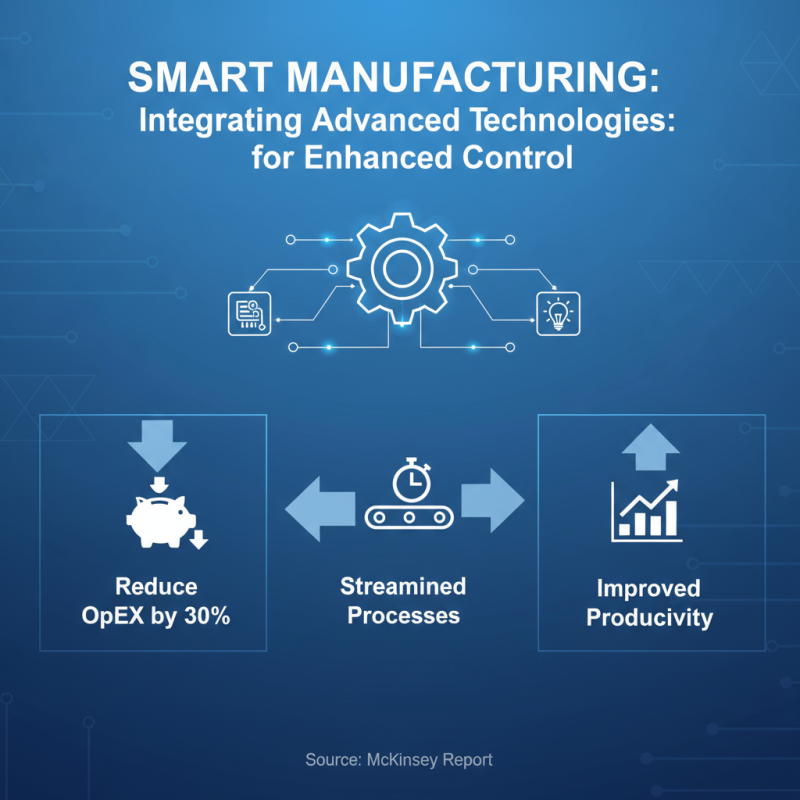
Manufacturing control systems play a pivotal role in today's industrial landscape. They ensure efficient production, quality control, and resource management. According to a report by the International Data Corporation, companies that implement robust control systems can improve operational efficiency by up to 40%. This highlights the significance of understanding these systems.
These systems facilitate real-time monitoring and data analysis. Manufacturers gain insights into production processes, enabling them to minimize waste and reduce downtime. A study from the Manufacturing Institute reveals that 70% of manufacturing leaders identify data-driven decision-making as a key factor in gaining a competitive edge. However, challenges persist. Many organizations struggle with system integration and data silos. This can lead to missed opportunities and inefficiencies.
Moreover, the importance of regular training cannot be overlooked. Employees must understand how to leverage these systems effectively. A survey by Deloitte found that 58% of manufacturers believe that skilled labor shortages significantly impact efficiency. Investing in employee training is crucial. It helps bridge the knowledge gap and maximizes the potential of manufacturing control systems. As the industry evolves, continuous reflection on these systems will be essential for sustained improvement.
Optimization of Manufacturing Control Systems
Key Metrics for Evaluating Control System Performance
In today's competitive manufacturing landscape, evaluating control system performance is paramount. Key metrics provide insight into efficiency, reliability, and productivity. Systems should include metrics like Overall Equipment Effectiveness (OEE), first-pass yield, and cycle time. According to a recent report by the Manufacturing Performance Institute, firms with high OEE scores see up to a 25% increase in productivity.
To optimize these systems, embrace real-time data analytics. Implementing advanced data analytics can enhance decision-making. Use dashboards to visualize performance metrics. Regularly assess these metrics to identify trends. Remember, ignoring data insights can lead to missed opportunities.
Another tip involves fostering a culture of continuous improvement. Engage employees in identifying inefficiencies. Studies indicate that organizations prioritizing employee input report better performance metrics. Metrics should also be revisited regularly. After all, what worked last year may not suit current challenges. Create a feedback loop to refine processes and systems. This approach ensures alignment with evolving market demands.
10 Essential Tips for Optimizing Manufacturing Control Systems - Key Metrics for Evaluating Control System Performance
| Metric |
Definition |
Target Value |
Current Value |
Remarks |
| Overall Equipment Effectiveness (OEE) |
Measures the overall efficiency of a manufacturing process |
85% |
78% |
Below target; improvement needed |
| First Pass Yield (FPY) |
Percentage of products manufactured correctly without any rework |
95% |
92% |
Slightly below target; focus on quality control |
| Cycle Time |
Time taken from the beginning to the end of a manufacturing process |
30 minutes |
35 minutes |
Under review; potential process bottlenecks |
| Scrap Rate |
Percentage of materials that are scrapped during production |
2% |
4% |
Above target; need strategies to reduce waste |
| Downtime |
Total time the equipment is not operating |
< 5% |
7% |
Excessive; requires immediate attention |
Implementing Continuous Improvement Practices
Continuous improvement practices are vital for optimizing manufacturing control systems. A recent report from the Manufacturing Institute states that companies embracing continuous improvement can increase efficiency by up to 30%. Implementing small, incremental changes allows for quicker adaptation and improved processes. This approach fosters a culture where employees feel empowered to suggest improvements.
Data from the American Society for Quality reveals that organizations investing in continuous improvement practices can see up to a 25% reduction in operational costs. However, achieving sustained growth can be challenging. Many manufacturers face resistance to change among staff. Training programs can mitigate this issue. Equipping employees with skills helps to enhance their buy-in for new methodologies.
Organizations must also regularly assess the impact of changes made. Defining clear metrics is crucial. For instance, tracking production downtime or defect rates can highlight areas needing attention. Reflection on failures is important for growth. Some initiatives may not yield immediate results, prompting a necessary reevaluation of strategies. Embracing this mindset is essential for long-term success in manufacturing control optimization.
Training and Empowering Staff for Optimal System Use
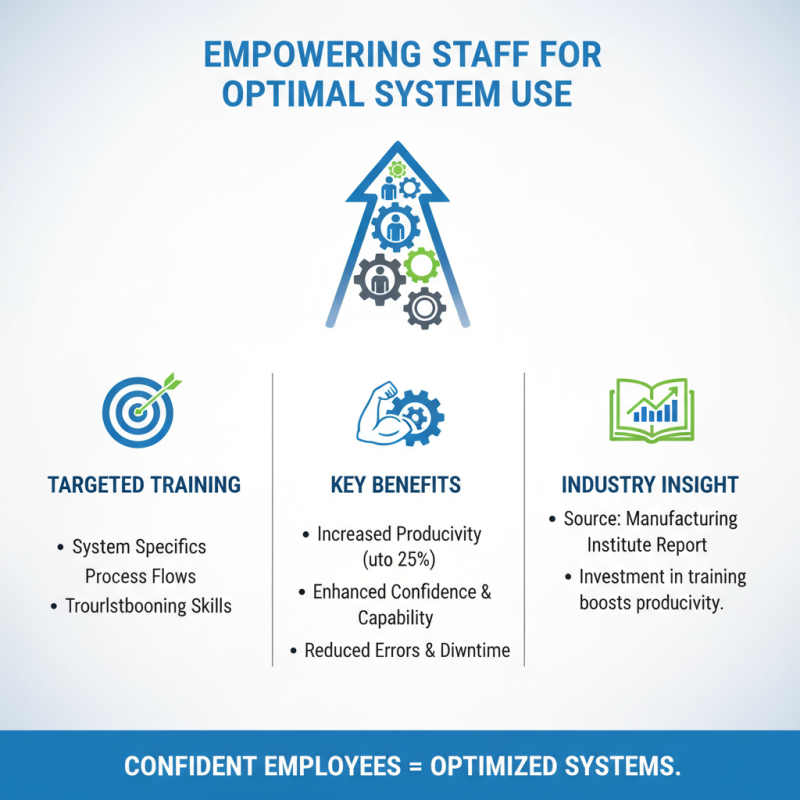
Empowering staff through targeted training is vital for optimizing manufacturing control systems. According to a recent industry report by the Manufacturing Institute, companies that invest in employee training can boost productivity by up to 25%. This boost often stems from employees who feel confident and capable in their roles. Effective training creates a workforce that understands system intricacies and can troubleshoot issues efficiently.
Training programs should be tailored to the specific needs of the manufacturing environment. For example, hands-on workshops and simulations foster practical learning. A study by the National Training Laboratory found that experiential learning increases retention rates to 75%. However, many organizations often overlook this, relying too heavily on passive training methods. Ensuring that staff can apply what they learn is crucial.
Moreover, empowering employees with decision-making abilities can enhance system performance. When staff are given autonomy, it not only increases satisfaction but also fosters innovation. Yet, some companies fear the risks associated with decentralizing control. Striking a balance between authority and responsibility is essential. Continuous feedback loops can help refine this dynamic, ensuring systems run at their best.