Exploring the Future of Manufacturing Control Systems in 2026
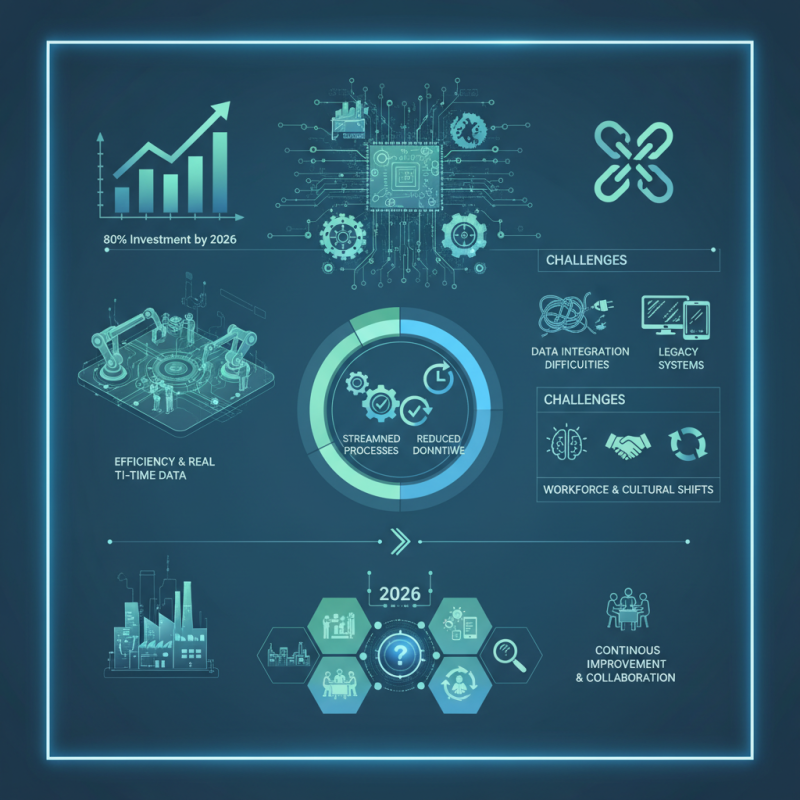
In the rapidly evolving landscape of manufacturing, manufacturing control systems are central to operational excellence. According to IndustryWeek, 80% of manufacturers plan to invest in advanced control systems by 2026. This shift is driven by the need for greater efficiency and real-time data integration. Companies are realizing the potential of these systems to streamline processes and reduce downtime.
However, the journey towards fully optimized manufacturing control systems is not without challenges. A 2023 Deloitte report highlights that 52% of manufacturers face difficulties in data integration. Moreover, many companies struggle with legacy systems that hinder progression. These hurdles provide a stark reminder that technological investments must align with workforce capabilities and cultural shifts.
As we look towards 2026, the focus must shift to creating adaptable manufacturing control systems. Companies will need to foster a culture of continuous improvement. Encouraging collaboration between teams will be essential for maximizing the benefits of these systems. The future may be bright, but introspection is necessary to navigate these complexities effectively.
Future Trends in Manufacturing Control Systems: A 2026 Outlook
As we look toward 2026, manufacturing control systems are set to undergo remarkable changes. Automation will play a pivotal role. Factories will increasingly rely on autonomous machines and AI for efficiency. These systems promise faster production and reduced error rates. However, full reliance on technology raises concerns. Can we trust machines to make important decisions?
Data analytics will become crucial in this evolving landscape. Real-time data collection will enable manufacturers to make informed choices. This shift could lead to improved maintenance schedules and enhanced product quality. Yet, there is a risk of overloading operators with data. Individuals must find ways to interpret vast amounts of information effectively.
Moreover, sustainability will drive innovations in manufacturing control systems. Companies will search for greener practices, reducing waste and energy usage. Implementing these eco-friendly solutions may require a significant upfront investment. Not all businesses will be able to adapt easily. Reflecting on these challenges is essential for growth in the industry.
Exploring the Future of Manufacturing Control Systems in 2026
| Trend |
Description |
Impact on Manufacturing |
Projected Adoption Rate (%) |
| AI and Machine Learning |
Incorporating advanced algorithms for predictive maintenance and optimization. |
Enhanced efficiency and reduced downtime. |
75 |
| IoT Integration |
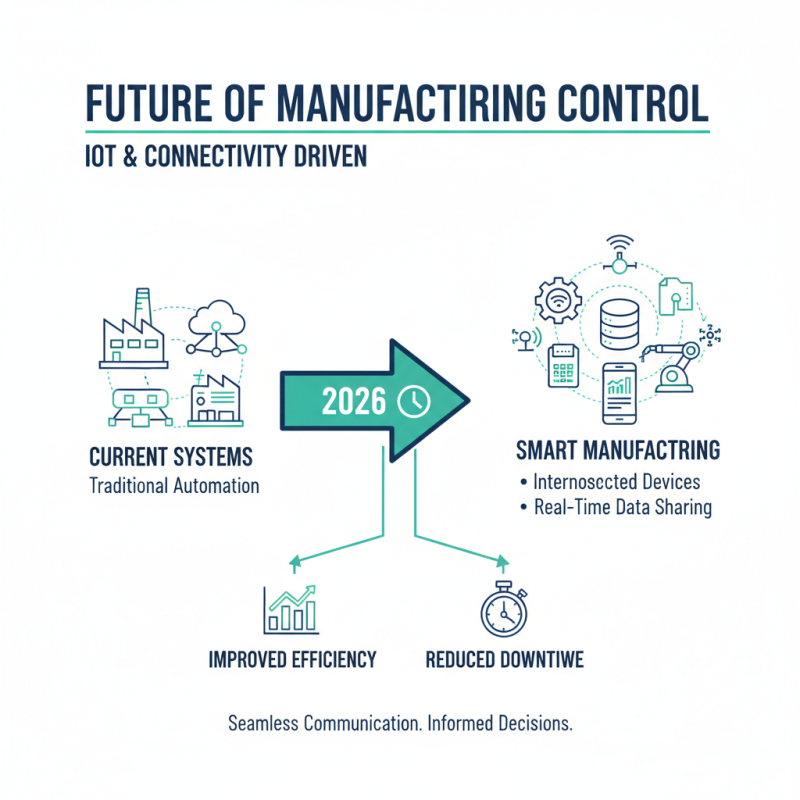
Connecting machines and devices for real-time data exchange. |
Improved visibility and control over production processes. |
80 |
| Digital Twin Technology |
Creating virtual replicas of physical systems for simulation and analysis. |
Enhanced decision-making and risk management. |
65 |
| Sustainability Initiatives |
Adopting eco-friendly processes and materials. |
Reduction of carbon footprint and waste. |
70 |
| Cloud-based Manufacturing |
Utilizing cloud computing for data storage and analysis. |
Increased collaboration and flexibility in production. |
85 |
Integration of AI and Machine Learning in Manufacturing Controls
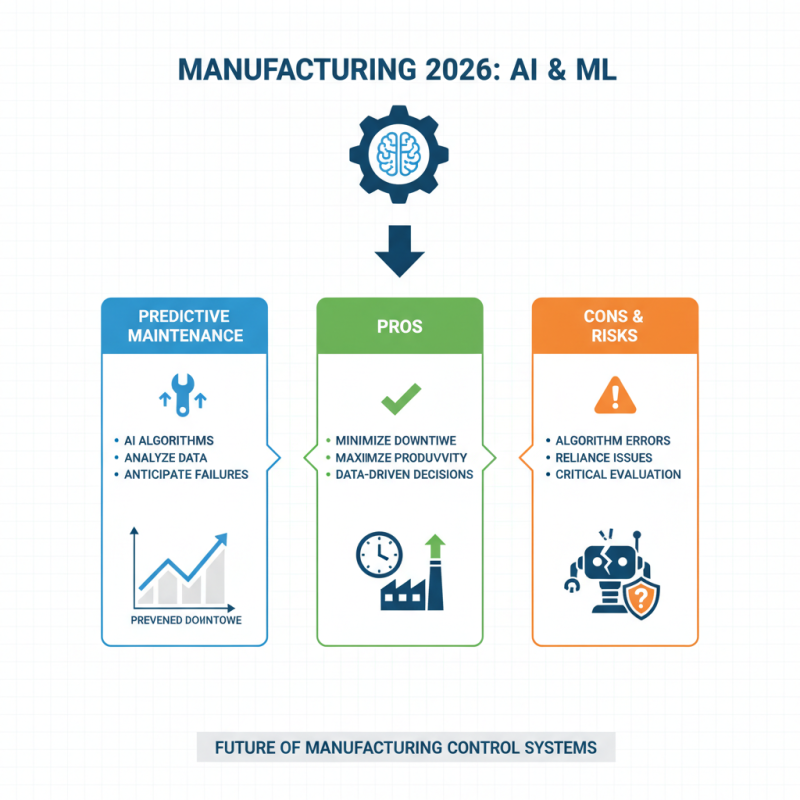
As we look toward 2026, the integration of AI and machine learning into manufacturing control systems is set to transform the industry. AI algorithms can analyze vast data sets, predicting equipment failures before they happen. This proactive approach minimizes downtime and maximizes productivity. However, reliance on AI raises questions. What if the algorithm makes a mistake? Manufacturers must consider these risks carefully.
Machine learning systems can adapt to changing production demands, enhancing flexibility. They analyze trends in real-time, allowing for dynamic adjustments. Yet, training these systems requires substantial data. Some companies may struggle with data quality or volume, which could hinder their AI applications. It’s essential to prioritize ongoing training and validation of these models.
The human element remains crucial in this evolution. Operators must understand AI recommendations for effective decision-making. Additionally, there’s the challenge of worker resistance to technology. Fostering a culture of collaboration between humans and machines can bridge this gap. Embracing change is necessary, but it must be managed thoughtfully. Adopting AI isn’t just technical; it’s about reshaping mindsets and processes.
Impact of Cybersecurity on Future Manufacturing Control Systems
As we look ahead to 2026, manufacturing control systems will face significant challenges, particularly in cybersecurity. A recent report from Deloitte indicates that 72% of manufacturers have experienced at least one cyber incident in the past year. These incidents can disrupt production and lead to costly downtimes, highlighting the need for robust security measures.
In this evolving landscape, many companies are underprepared. Only 50% have established clear protocols for incident response. This gap poses a risk to their operations and data integrity. Advanced threats like ransomware can cripple systems, as seen in recent attacks on manufacturing facilities.
Future control systems must prioritize cybersecurity from the design phase. Integrating security features is essential. Yet, many manufacturers still struggle with budget constraints and outdated infrastructure. The challenge lies not just in technology but also in pervading a culture of security awareness among employees. The road ahead is uncertain, but addressing cybersecurity flaws is crucial for resilient manufacturing operations.
Sustainability and Compliance in 2026 Manufacturing Practices
In 2026, manufacturing practices will prioritize sustainability and compliance. Companies will face increasing pressure to reduce their environmental impact. The focus will shift to responsible sourcing and waste reduction. Many factories will adopt renewable energy sources, but the transition isn't simple. Some facilities may struggle to implement new technologies effectively.
Compliance is another critical issue. Regulations will become stricter, requiring companies to adapt quickly. Inconsistent adherence to standards can lead to heavy fines. Some manufacturers may overlook necessary certifications, risking both reputation and profits. Innovation in tracking and monitoring compliance is essential, yet many are still lagging.
Sustainable practices often come with significant upfront costs. Companies might hesitate to invest in green technologies. However, the long-term benefits can outweigh the initial investment. Finding the right balance between profitability and sustainability will require careful thought. The path ahead is challenging, but meaningful progress is possible.