What is a Hydraulic Pump and How Does It Work?
Hydraulic Pumps play a vital role in various industrial applications. They are devices that convert mechanical energy into hydraulic energy. This transformation powers machinery and equipment across many fields. By understanding hydraulic pumps, we can better appreciate their significance.
These pumps work by creating a flow of hydraulic fluid, which generates force in a hydraulic system. They come in different types, each designed for specific tasks. For example, gear pumps are commonly used for their simplicity and reliability. Piston pumps offer high pressure, making them ideal for heavy-duty applications.
Despite their efficiency, hydraulic pumps can sometimes fail. Common issues include leaks and overheating. Regular maintenance is essential to ensure optimal performance. An understanding of these pumps helps in making informed decisions, whether for industrial use or personal projects. Their importance cannot be overstated in today's technology-driven world.
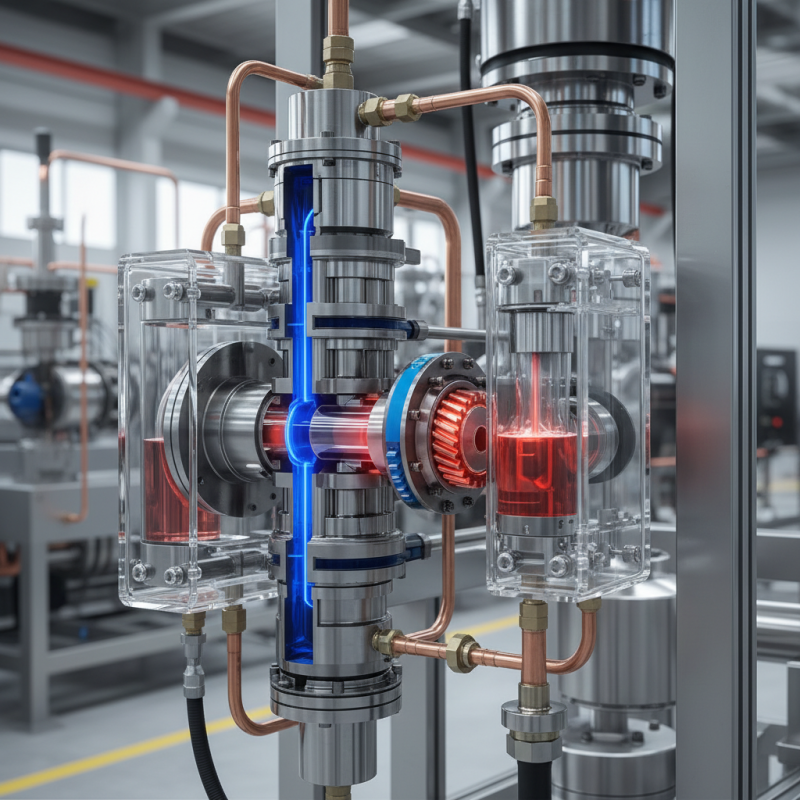
Definition of a Hydraulic Pump and Its Primary Function
A hydraulic pump is a mechanical device that converts mechanical energy into hydraulic energy. It operates based on Pascal's principle, which states that pressure applied to a confined fluid is transmitted undiminished in all directions. This technology plays a vital role in various applications, such as construction, manufacturing, and automotive sectors.
The primary function of a hydraulic pump is to generate flow. This flow creates pressure, enabling hydraulic systems to perform work. For instance, in construction machinery, hydraulic pumps power equipment like excavators and bulldozers, allowing them to lift heavy loads. According to a report by the International Fluid Power Society, the global hydraulic pump market was valued at approximately $15.1 billion in 2022, highlighting its significance in various industries.
Despite their advantages, hydraulic pumps have limitations. For example, they require regular maintenance to prevent wear and leaks. Additionally, fluid contamination can affect performance. Research indicates that up to 70% of hydraulic system failures are attributed to poor fluid condition. It’s crucial for engineers to address these challenges and optimize the reliability of hydraulic systems. Understanding these aspects of hydraulic pumps can lead to better design and improved operational efficiency.
Types of Hydraulic Pumps and Their Characteristics
Hydraulic pumps play a vital role in various industrial applications. There are several types of hydraulic pumps, each with distinct characteristics. The most common types include gear pumps, vane pumps, and piston pumps.
Gear pumps are simple in design and offer straightforward operation, making them suitable for low-viscosity fluids. They typically have a higher flow rate, which can reach up to 200 liters per minute, yet their pressure capabilities are limited compared to other types.
Vane pumps are more versatile and can handle a wider range of applications. They work well in medium-pressure environments and can provide smoother flow. According to a recent market analysis, vane pumps make up approximately 20% of the hydraulic pump market due to their efficiency.
On the other hand, piston pumps excel in high-pressure scenarios, reaching pressures above 300 bar. Though more complex, they offer greater control and efficiency under demanding conditions.
While all these pumps have their advantages, challenges exist. Maintenance needs can vary; vane pumps can wear more quickly in abrasive conditions, while piston pumps require regular checks to avoid leaks. Understanding these characteristics is essential for selecting the right pump for specific applications, as the wrong choice can lead to inefficiencies and costly repairs.
Working Principle of Hydraulic Pumps Explained
Hydraulic pumps are essential components in hydraulic systems. They convert mechanical energy into hydraulic energy, enabling machinery to perform work. These pumps function based on the principle of fluid dynamics. As they rotate, they create a vacuum that draws hydraulic fluid into the pump. This fluid is then pressurized and expelled through an outlet, generating the force needed to move equipment.
The working principle of hydraulic pumps can vary depending on their type. Gear pumps rely on gears to create flow. These gears mesh together and move the fluid through the pump. Vane pumps use sliding vanes to create pressure, ensuring a smooth and consistent flow. Piston pumps, known for their efficiency, use pistons driven by a crankshaft. Each type has its advantages and limitations, requiring careful consideration in application.
Understanding how hydraulic pumps work requires expertise. Despite their straightforward operation, maintaining optimal performance can be challenging. Issues like fluid contamination or air bubbles can lead to inefficiencies. Regular monitoring and maintenance are necessary to ensure reliability. Therefore, it’s crucial to address potential problems promptly, reflecting on the operational environment and conditions impacting pump performance.
Applications of Hydraulic Pumps in Various Industries
Hydraulic pumps play a vital role across various industries, powering machinery and tools. These devices transform hydraulic energy into mechanical energy, enabling effective operation in construction, agriculture, and manufacturing. In construction, hydraulic pumps operate heavy equipment like excavators and bulldozers. These machines rely on hydraulic systems for lifting and moving materials with precision.
In agriculture, hydraulic pumps are essential for tractors and harvesters. They help in adjusting equipment for different tasks, enhancing productivity. Farmers depend on these pumps for efficient operation in fields. The manufacturing sector also benefits from hydraulic pumps. They are integral to assembly lines and material handling systems, ensuring consistent performance.
Each application highlights the versatility of hydraulic pumps. Despite their reliability, issues can arise. Regular maintenance is necessary to prevent leaks or failures. Understanding these limitations is crucial for operators. Hydraulic pumps are powerful tools, yet they require careful management. This balance between power and oversight is essential for maximizing their potential.
Maintenance and Troubleshooting of Hydraulic Pumps
Hydraulic pumps are essential components in numerous machinery, providing power through fluid movement. However, effective maintenance is crucial for optimal performance. Regular inspection can prevent common issues such as leaks or reduced pressure. According to industry reports, 70% of hydraulic pump failures stem from contamination. This emphasizes the importance of keeping hydraulic fluid clean.
Workers must routinely change filters and check seals. These practices help to extend the life of pumps significantly. Experts recommend performing a visual inspection monthly. Look for signs of wear or damage. Ignoring such details can lead to increased downtime and repair costs.
Troubleshooting becomes necessary when issues arise. If a hydraulic pump is not performing well, check the fluid levels first. Insufficient fluid can cause overheating and damage. Additionally, inspect the hydraulic lines for blockages. Addressing even minor problems promptly can save resources. It is also worth noting that around 50% of equipment breakdowns can be traced back to improper maintenance practices. Regularly reviewing maintenance schedules ensures reliable operation and can enhance overall system efficiency.
Hydraulic Pump Efficiency Over Time
This bar chart represents the efficiency of hydraulic pumps measured over time in percentage. It shows how maintenance and operation adjustments can impact the performance of hydraulic pumps.