In today's fast-paced industrial landscape, process control automation is a game changer. Companies strive to enhance their efficiency and reliability. This involves integrating advanced technologies into existing systems. However, implementing process control automation is not always straightforward. Common pitfalls can hinder progress and lead to overspending.
One major challenge lies in aligning automation with actual processes. Lack of clarity often results in misaligned goals. Not every facility is ready for automation. Some may require extensive training or system overhauls. Identifying these needs early is critical. Additionally, choosing the right tools can be overwhelming. Many options promise results, but not all deliver on their promises.
Automation should enhance worker productivity, not replace it. An overly complex system can frustrate employees. Therefore, collaboration between teams is essential. Regular feedback loops can highlight areas for improvement. Understanding the existing workflow is vital to tailor automation effectively. Through this journey, businesses can stumble, but each misstep offers valuable lessons. Embracing process control automation thoughtfully leads to better outcomes.

Understanding process control automation is crucial for efficiency. The industry has seen a substantial shift towards automation, with reports indicating that 70% of manufacturers are investing in advanced process control systems. These systems streamline operations, reduce variability, and enhance product quality. For instance, data indicates that businesses can experience up to a 30% reduction in operational costs through effective automation.
Implementing these systems requires a solid understanding of the basics. It’s important to identify key performance indicators (KPIs) relevant to your operation. Monitoring these metrics can drive improvements. However, many organizations struggle with initial implementation. The reality is that nearly 40% of automation projects fail due to inadequate planning. Understanding processes upfront helps in avoiding pitfalls.
Workers often resist changes that automation can bring. Cultural shifts are necessary, and employee training is essential. Surprisingly, only 25% of companies prioritize training for their staff during automation adoption. Balancing technology and human input remains a challenge. Ongoing support and feedback are critical to ensuring success.

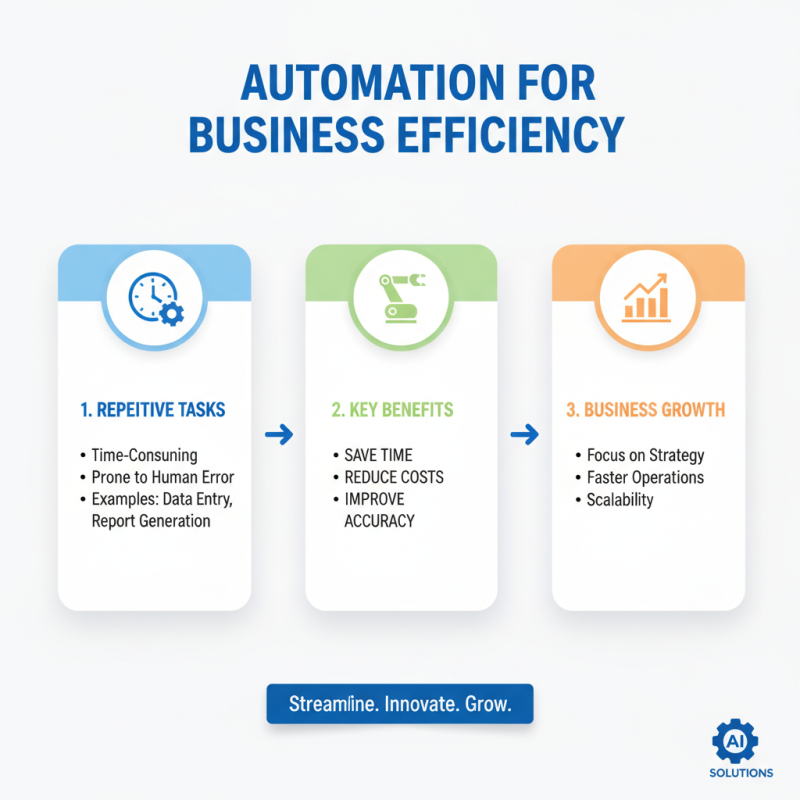
Identifying key areas for automation is crucial for improving business efficiency. Start by evaluating repetitive tasks. These are time-consuming and often prone to human error. Consider processes like data entry or report generation. Automating these can save significant time and resources.
Next, assess workflows with high interaction volumes. Customer service tasks often fall into this category. Automating FAQs with chatbots can streamline responses. However, don't rush; ensuring a personal touch is still important. Reflect on how automation can enhance, not replace, human interaction.
Look into compliance-related activities as well. Regulations require meticulous record-keeping. Automating these processes can mitigate risks. Nonetheless, be vigilant about accuracy. Automating wrongly can lead to severe consequences. Regularly review automated systems to ensure they align with evolving business goals and regulations.
Implementing process control automation effectively hinges greatly on selecting the right technology and tools. According to a recent industry report from the International Society for Automation, nearly 70% of companies experience challenges with automation due to improper technology choices. This highlights the importance of aligning technology with specific process needs.
When evaluating automation tools, consider flexibility and compatibility. The technology should integrate smoothly with existing systems to avoid unnecessary disruptions. Data from a McKinsey report indicates that organizations see a 20-30% increase in productivity when using appropriate automation technologies. However, mismatched tools often lead to suboptimal results, emphasizing the need for careful selection.
It's also crucial to reflect on the learning curve associated with new technologies. Employees may require training, which can slow initial implementation. This often results in frustration and confusion. Balancing automation with human skills is key to fostering a productive environment. Many organizations overlook this balance, leading to lost potential and financial losses. Striking the right chord between the two aspects ensures sustainable growth.
| Technology/Tool | Purpose | Benefits | Considerations |
|---|---|---|---|
| PLC (Programmable Logic Controller) | Control industrial machines and processes | High reliability, real-time control, and flexibility | Requires programming skills and proper configuration |
| SCADA (Supervisory Control and Data Acquisition) | Monitoring and controlling processes remotely | Centralized monitoring, data logging, and alarm management | Can be complex to set up, dependent on network infrastructure |
| DCS (Distributed Control System) | Control processes in large, complex environments | Scalable, more reliable than PLCs for large operations | Higher initial investment and maintenance costs |
| IoT Sensors | Data collection from various operational points | Real-time data availability, predictive maintenance | Security concerns, potential for data overload |
| Machine Learning Tools | Data analysis and predictive modeling | Enhanced decision-making, optimization of processes | Requires large data sets and expertise to implement |
Implementing process control automation can be challenging yet rewarding. A well-structured plan ensures efficiency and minimizes disruptions. Data shows that organizations adopting automation see a productivity increase of up to 30%. This transformation can streamline operations and reduce human error. However, it’s crucial to craft an effective step-by-step plan to avoid common pitfalls.
Begin by assessing current processes. Identify areas needing improvement. Engage with teams to gather feedback. This approach fosters collaboration and ownership. Next, set clear objectives. Define what success looks like. An effective goal could be reducing production time by 15%. Monitor progress regularly. Adjust plans based on feedback and performance.
**Tip:** Start small. Pilot projects can provide valuable insights. They highlight potential issues before full-scale implementation. Regular reviews are essential. Adjust your approach as necessary. Not all automation projects go smoothly. Some may face resistance from employees. Addressing concerns early helps in gaining buy-in.
**Tip:** Communicate clearly. Share the benefits of automation. Involve employees in decision-making. They often have valuable insights into the process. Ultimately, a flexible attitude towards adjustments will enhance overall success. Stay open to feedback and be willing to pivot when needed.
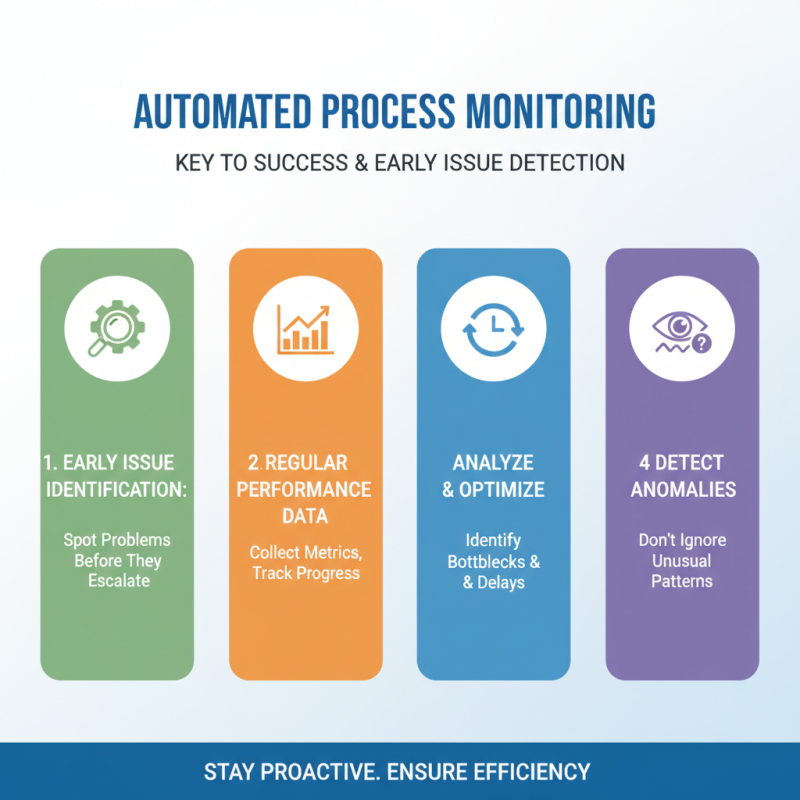
Monitoring automated processes is crucial for their success. Effective monitoring can identify issues early. Collect data on performance metrics regularly. This includes identifying bottlenecks and delays. Analyze results to spot trends. Don't ignore unusual patterns.
Tips for effective monitoring: Use dashboards to visualize data. Set clear KPIs for comparison. Ensure that alerts are in place for deviations. These tools help track performance in real-time. They enable quick reactions to potential problems.
Evaluating effectiveness is often overlooked. Seek feedback from users who interact with automated systems. Their insights can reveal hidden flaws. Continually refine processes based on this feedback. Remember that the goal is improvement, not perfection. Embrace the learning curve and adapt accordingly.