LiFePO4 Fishing Boat Batteries at the 139th Canton Fair?
The 139th Canton Fair is poised to showcase innovative products, including LiFePO4 Fishing Boat Batteries. This event, scheduled for April 2026, emphasizes advanced manufacturing and new materials. LiFePO4 batteries are gaining traction for their efficiency and safety. They offer a longer lifespan compared to traditional batteries.
At this fair, companies will present different applications of these batteries in fishing boats. Integrating AI technology will make it easier for buyers to find quality suppliers. The technology filters suppliers with essential certifications like ISO and CE. This targeted approach saves time and enhances the buyer experience.
However, it's essential to address some potential drawbacks. The cost of LiFePO4 batteries can be higher than other options. Customers may feel apprehension about transitioning to new technologies. Understanding both the benefits and limitations is crucial for informed purchasing decisions. The Canton Fair represents an opportunity for growth and learning in this sector.
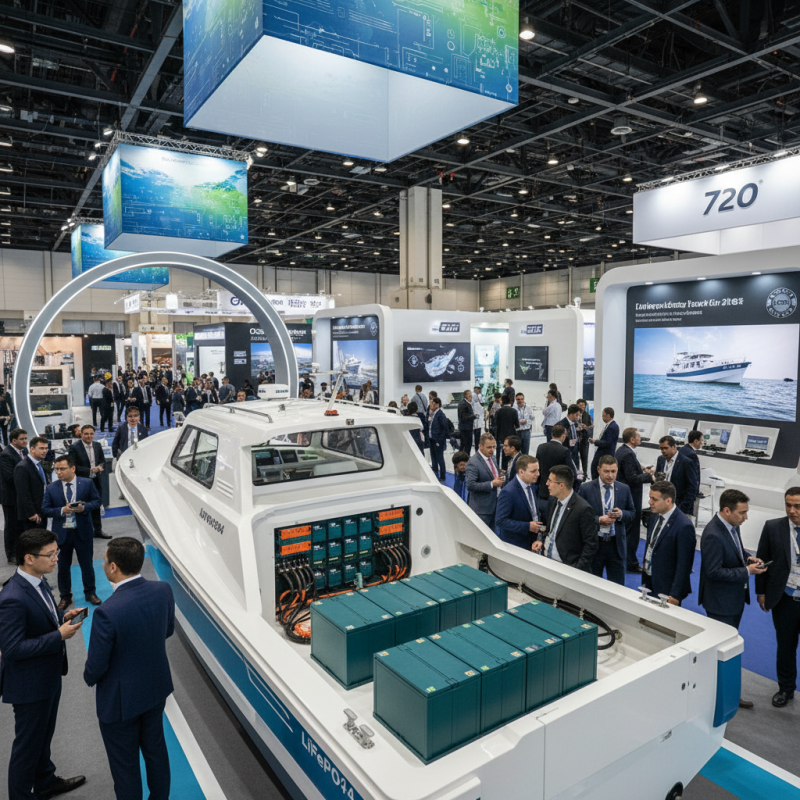
Overview of LiFePO4 Batteries for Fishing Boats
LiFePO4 batteries are gaining popularity in the fishing industry. Their lightweight design makes them ideal for boats. Unlike traditional lead-acid batteries, LiFePO4 batteries have a longer lifespan. They can power devices more efficiently, which is crucial when out at sea.
One of the notable features of LiFePO4 batteries is their safety. They are less prone to overheating or catching fire. However, they are also more expensive. This price point can be a barrier for some anglers. It's essential to weigh the costs against the benefits.
Charging times are another consideration. LiFePO4 batteries can be charged quickly, allowing for more time on the water. Yet, not all chargers are compatible, leading to frustrations. With the growing interest in eco-friendly options, these batteries may become a staple for fishing enthusiasts. Adopting new technology always comes with challenges. Balancing performance and cost will be key in this transition.
Key Benefits of LiFePO4 Technology in Marine Applications
LiFePO4 batteries are making waves in marine applications, especially for fishing boats. Their lightweight design allows for effortless handling and installation. With a significantly higher energy density, these batteries provide long-lasting power, extending trips and increasing efficiency. In a marine environment, reliability is crucial. LiFePO4 batteries deliver consistent performance, even in harsh conditions.
One key benefit is their safety. Unlike other lithium battery types, LiFePO4 batteries are chemically stable. They are less prone to overheating or catching fire. Fishermen can work with peace of mind, knowing their equipment is safe. In terms of longevity, these batteries often last over 2000 cycles. This long lifespan reduces the need for frequent replacements, saving cost and hassle.
However, some challenges still exist. The initial investment can be higher compared to traditional batteries. For many, this upfront cost might seem daunting. Reflecting on these aspects helps users weigh the benefits against the drawbacks. Ultimately, the technology's advantages can outweigh initial concerns. Pulling a heavy battery on board may be a thing of the past. These innovations provide a glimpse into the future of fishing.
LiFePO4 Fishing Boat Batteries at the 139th Canton Fair? - Key Benefits of LiFePO4 Technology in Marine Applications
| Feature | Benefit | Impact on Marine Applications |
| Long Cycle Life | Up to 3000-5000 charge cycles | Reduces replacement frequency and costs |
| Lightweight | Lighter than traditional lead-acid batteries | Enhances boat speed and fuel efficiency |
| Safety | Non-toxic, non-combustible | Minimizes fire risks on boats |
| Fast Charging | Charges to 100% in a fraction of the time | Improves turnaround time for fishing trips |
| Efficiency | Higher energy density than lead-acid | Provides more usable power for longer durations |
Highlights from the 139th Canton Fair regarding Marine Batteries
The 139th Canton Fair showcased a variety of innovations in marine batteries, notably LiFePO4 batteries. These batteries are gaining popularity in the fishing community. Their lightweight nature and high energy density make them ideal for fishing boats. Many attendees expressed their eagerness to explore these new technologies.
There were various presentations on battery efficiency and sustainability. Some manufacturers demonstrated how LiFePO4 can extend battery life significantly. However, a few visitors noted concerns about the initial costs. The transition to these more efficient batteries requires careful consideration. Questions about compatibility with existing systems were common among potential buyers.
The fair also highlighted potential improvements in battery safety. While LiFePO4 batteries are generally safer, issues like thermal management were discussed. Manufacturers acknowledged the need for ongoing research. Feedback from the fishing industry is essential for future developments. It was clear that while excitement is high, there is still work to be done.
Comparison of LiFePO4 Batteries and Traditional Lead-Acid Batteries
When it comes to powering fishing boats, LiFePO4 batteries stand out as a modern option. These batteries offer a longer lifespan than traditional lead-acid options. They are also lighter, making them easier to handle during fishing trips. These features appeal to many boaters who crave efficiency and convenience. However, there are challenges. The initial cost of LiFePO4 batteries can be a barrier for some.
In contrast, lead-acid batteries have been the go-to choice for years. They are widely available and generally more affordable upfront. However, they tend to perform poorly in high-drain situations. The weight can also be a disadvantage when moving them around on a boat. Lead-acid batteries require more maintenance. Regular checks are essential to ensure they function well.
So, while LiFePO4 batteries may shine in efficiency and longevity, they aren't without limitations. The cost and charging specifics can create hesitation. Conversely, lead-acid batteries remain reliable but fall short for some modern needs. Boat owners need to weigh these factors carefully when deciding.
Future Trends in Fishing Boat Battery Technology and Applications
The fishing industry is evolving with significant advancements in battery technology. LiFePO4 batteries are increasingly popular for fishing boats. These batteries offer excellent energy density and safety features. Their lightweight design allows for improved fuel efficiency and easier handling. Yet, they haven’t achieved universal acceptance among all anglers. Some are still cautious about transitioning.
One key trend lies in the development of longer-lasting batteries. Innovations focus on enhancing cycle life and charging speed. Some prototypes also feature smart technology for temperature monitoring and energy management. However, the higher initial cost remains a barrier for many boat owners. It requires careful consideration of long-term savings versus upfront investments.
Additionally, integrating renewable energy sources is crucial. Solar panels can recharge batteries while at sea. This could minimize dependency on traditional fuel sources. Yet, not all fishermen have the equipment or inclination to install these systems. The varying levels of adoption show a need for education on benefits. Finding a balance between tradition and innovation is vital as we look toward the future of fishing boat batteries.