Why is Manufacturing Automation Essential for Modern Industry?
In today's fast-paced industrial landscape, manufacturing automation is more crucial than ever. A report by McKinsey indicates that automated manufacturing could enhance productivity by up to 30% in the next decade. This shift is not just a trend; it reflects the need for companies to remain competitive and efficient. As industries face rising labor costs and the challenges of skilled labor shortages, automation presents a viable solution.
The integration of robotics and AI in production lines streamlines operations. According to a study from the World Economic Forum, nearly 70% of manufacturers are investing in automation technologies. These advancements enable consistent quality and precision that human workers can struggle to provide. While automation offers significant benefits, it also raises questions about workforce displacement and the future of jobs.
Automating manufacturing processes is vital for innovation and quality control. However, organizations must reflect on implementing these technologies responsibly. Balancing automation with human labor can create a sustainable production environment. Ultimately, the conversation around manufacturing automation should focus on maximizing benefits while addressing potential pitfalls in workforce dynamics.
The Impact of Manufacturing Automation on Productivity and Efficiency
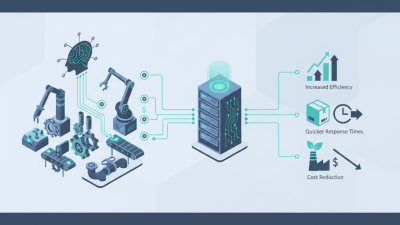
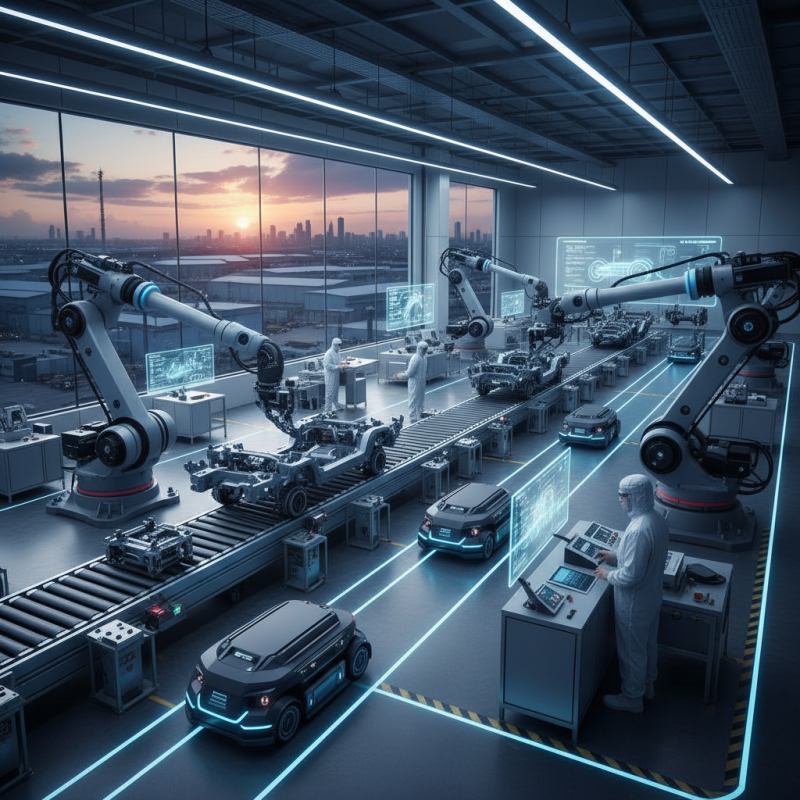
Manufacturing automation significantly boosts productivity and efficiency in modern industry. By integrating advanced machinery and robotics, companies can streamline their operations. Automated systems perform tasks more quickly and accurately than human workers. This leads to reduced error rates and fewer production delays.
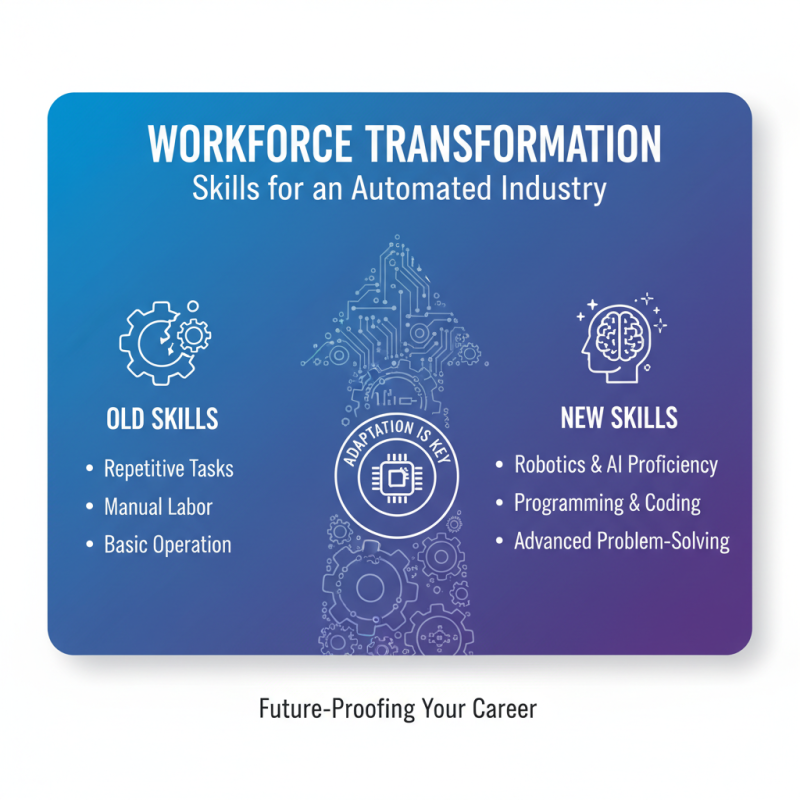
For instance, automated assembly lines can produce thousands of units daily. This consistency helps companies meet the growing demand without sacrificing quality. However, the transition to automation can be challenging. Workers may need retraining to adapt to new technologies. Some companies struggle with the cost of implementation, which can be high initially.
Despite these obstacles, the long-term benefits are clear. Increased efficiency lowers operational costs. Operations run smoother, and companies can focus more on innovation. Overall, embracing automation presents a path to growth, even if the journey requires careful planning and adaptation.
Impact of Manufacturing Automation on Productivity and Efficiency
Key Technologies Driving Manufacturing Automation in 21st Century
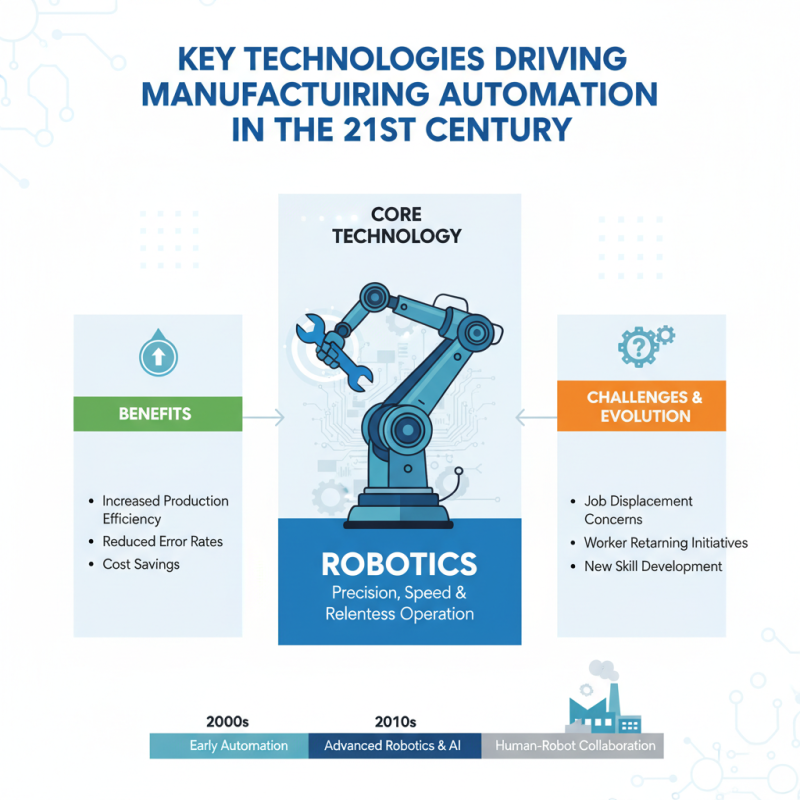
Manufacturing automation is transforming industries at an unprecedented pace. Key technologies are driving this shift in the 21st century. Robotics stands out, offering precision and speed that human workers often cannot match. These machines can work tirelessly, assembling products with high accuracy. Yet, the reliance on automation raises questions about job displacement and the need for worker retraining.
Artificial intelligence (AI) enhances automation by enabling machines to learn and adapt. AI can analyze data in real-time, improving decision-making processes. This capability not only increases efficiency but also enables predictive maintenance. However, the integration of AI is not without its challenges. Companies must navigate ethical concerns and ensure their employees are equipped to work alongside intelligent systems.
The Internet of Things (IoT) also plays a crucial role. Connected machines provide valuable insights into production processes. They can communicate and optimize workflows, minimizing waste and downtime. Yet, relying heavily on IoT means ensuring robust cyber security. Vulnerabilities in the system could lead to significant setbacks. As industries evolve, balancing innovation with caution is essential for a successful future in manufacturing automation.
Cost Reduction and Financial Benefits of Implementing Automation
Manufacturing automation significantly reduces costs in various ways. By streamlining production processes, businesses can minimize labor expenses. Automated systems operate continuously, eliminating downtime associated with manual tasks. This leads to increased productivity and more efficient use of resources. Labor-intensive jobs can be shifted to machines, allowing workers to focus on strategic tasks.
Additionally, automation often results in lower error rates, which translates to less rework and scrap material. Reducing errors not only saves money but also improves product quality. Companies may see savings in material costs due to better precision in production. However, the transition to automation requires upfront investment. It’s crucial for businesses to carefully assess long-term benefits versus initial costs.
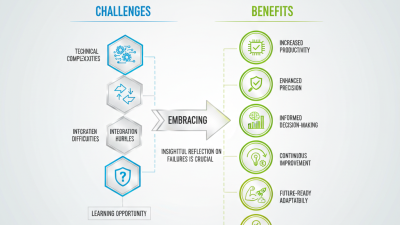
Despite the clear advantages, not every implementation goes smoothly. Some companies may struggle with employee adaptation or face integration challenges. This reality highlights the need for extensive planning and realistic expectations. Success in manufacturing automation does not come without its hurdles, making it essential for firms to approach this transition thoughtfully.
Case Studies: Successful Adoption of Automation in Leading Industries
The integration of manufacturing automation has transformed industries across the globe. A case study in the automotive sector reveals significant efficiency gains. With automation, companies reported a 25% increase in productivity. Robots can work tirelessly, reducing production time and minimizing human error.
In the food and beverage industry, a notable example showcases the adoption of automated packaging systems. This shift has led to a 40% reduction in labor costs. Additionally, operational errors dropped by 30%. However, the reliance on technology also poses challenges. Over-dependence on automation can lead to vulnerabilities, particularly during system failures.
Moreover, the electronics industry demonstrates how automation enhances precision. A major manufacturer reduced defects by 35% through automated assembly lines. While these advancements are impressive, companies must continuously evaluate their automation strategies. Balancing technology and human skills is vital for sustainable growth.
Why is Manufacturing Automation Essential for Modern Industry?
| Industry |
Automation Type |
Benefits Achieved |
Investment ($ Millions) |
ROI (% within 3 years) |
| Automotive |
Robotic Assembly |
Increased production speed, reduction of defects |
50 |
150% |
| Electronics |
Smart Manufacturing |
Enhanced efficiency, improved accuracy |
75 |
130% |
| Food & Beverage |
Automated Packaging |
Faster processing, lower labor costs |
30 |
180% |
| Pharmaceutical |
High-Throughput Screening |
Increased throughput, enhanced compliance |
100 |
200% |