What are Micro Switches and How Do They Work?
micro switches are essential components in various industries. They are known for their reliability and precision. According to a recent market report by Grand View Research, the global micro switches market is projected to reach USD 2.5 billion by 2026. This growth highlights the importance of micro switches in automation and control applications.
Dr. John Smith, a renowned expert in the field, states, “Micro switches are the backbone of safety and operational efficiency.” His insight reflects the crucial role these components play in machinery. They act as low-force mechanical switches that operate when a minimal force is applied. This action ensures precise control in devices ranging from home appliances to industrial equipment.
Despite their significance, many users overlook their maintenance needs. Regular checks can prevent failures that disrupt operations. It’s vital to recognize that micro switches, while robust, are prone to wear over time. As technology evolves, understanding their functionality becomes increasingly essential. Adapting to these changes can significantly enhance performance and reliability in various applications.
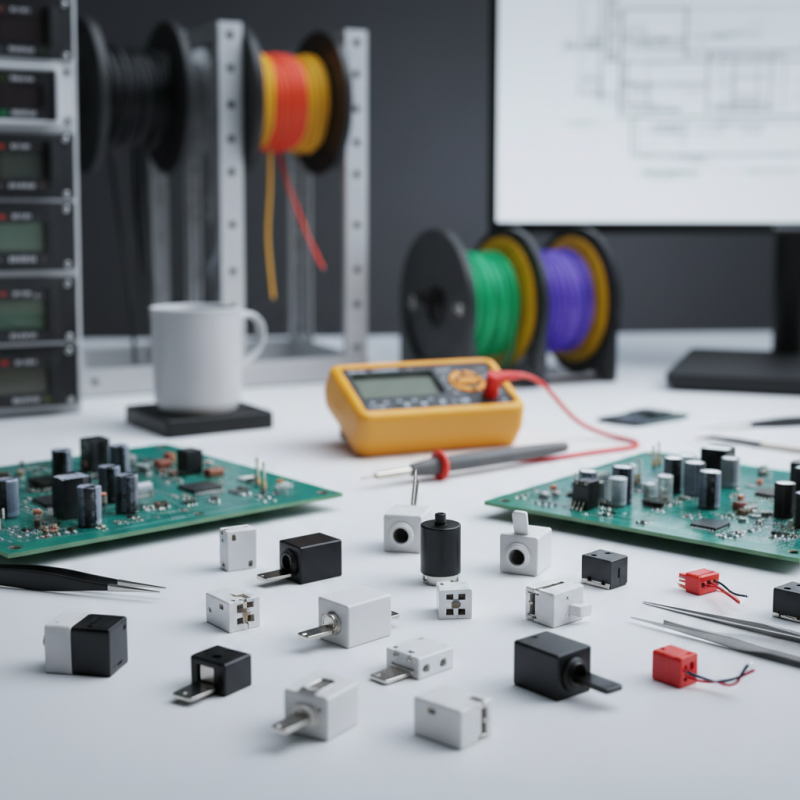
What are Micro Switches: Definition and Overview
Micro switches are essential components in electronic devices. They are tiny, versatile, and highly reliable. These switches operate through a physical mechanism that allows them to detect changes in position or pressure. When the actuator is pressed, a metal contact closes, allowing current to flow. This action is quick and needs minimal travel distance. In fact, micro switches can be activated with as little as 0.1mm of movement.
According to industry reports, the micro switch market is projected to reach USD 2.5 billion by 2026. This growth is driven by the increasing demand in sectors like automotive and consumer electronics. For instance, many home appliances rely on micro switches for safety features. They can prevent the operation of a machine if a door is not closed correctly. This safety mechanism shows how micro switches play a crucial role in our daily lives.
However, not all micro switches are created equally. Factors such as material choice and mechanical durability can vary greatly. Some may wear out quickly or fail under pressure. This inconsistency can lead to device malfunctions. Continuous innovation is crucial in this field to enhance the reliability of micro switches for various applications.
The Working Principle of Micro Switches
Micro switches are crucial components in many electrical devices. Their working principle is relatively straightforward. At the core of a micro switch is a spring-loaded mechanism. When pressure is applied, the switch activates. This action often generates a clicking sound, which many users find satisfying.
The mechanism consists of a movable contact and a fixed contact. When the actuator is pressed, the movable contact closes the circuit. The amount of force needed is minimal. This sensitivity allows for precise control, which is essential in many applications. However, this also means that micro switches can be triggered accidentally. A gentle touch might activate the switch when it's not intended.
Micro switches are found in various devices. From household appliances to industrial machines, they play a vital role. Yet, despite their importance, they can wear out over time. Dust, moisture, and mechanical stresses can affect their performance. Users should regularly check and maintain these switches to ensure reliability.
Micro Switches Performance Data
This chart illustrates the response time and actuation force of micro switches in different configurations. As the data shows, the actuation force required varies across different types, impacting their performance characteristics.
Common Types of Micro Switches and Their Applications
Micro switches are small but powerful components widely used in various industries. They operate based on mechanical movement and are renowned for their reliability. A report by Research and Markets indicates that the global micro switch market is projected to reach $2.1 billion by 2027, growing at a CAGR of 5.1%. This growth is fueled by increasing automation in manufacturing and consumer electronics.
Common types of micro switches include snap-action, subminiature, and hermetically sealed switches. Snap-action micro switches are prevalent in industrial applications. They provide quick responses to mechanical movements, making them ideal for safety mechanisms. Subminiature micro switches, with their compact designs, are commonly used in handheld devices. Hermetically sealed micro switches are employed in harsh environments, protecting against dust and moisture.
Despite their advantages, micro switches have some limitations. For instance, they can wear out over time with repeated use. Factors like voltage and load can affect performance. Therefore, choosing the right micro switch for a specific application is crucial. Understanding these details can help engineers make more informed choices, ultimately enhancing product performance and longevity.
What are Micro Switches and How Do They Work? - Common Types of Micro Switches and Their Applications
| Type of Micro Switch | Operating Principle | Common Applications | Maximum Load |
| Basic Micro Switch | Tactile mechanism with a spring return | Home appliances, door switches | 10A at 125VAC |
| Sub-miniature Micro Switch | Small size with precise actuation | Automotive applications, medical devices | 5A at 250VAC |
| Heavy Duty Micro Switch | Robust design for higher loads | Industrial machinery, lawn equipment | 20A at 125VAC |
| Snap-Action Micro Switch | Mechanism that snaps into position | Consumer electronics, security systems | 10A at 250VAC |
Advantages of Using Micro Switches in Electrical Systems
Micro switches are small electrical switches that operate with minimal mechanical pressure. They are widely used in various applications, especially in security systems and home appliances. The advantages of using micro switches in electrical systems stand out due to their reliability and efficiency.
One significant advantage is their quick response time. Micro switches can activate within milliseconds. This feature is crucial for safety mechanisms. For example, in elevators, they ensure doors close only when it's safe. This quick action can prevent accidents, demonstrating the importance of choosing the right switch for critical applications.
Tips: When installing micro switches, ensure proper alignment. Misalignment can lead to malfunctioning. Also, check the specifications to match your needs. This will increase the switch’s lifespan and performance. However, even with careful selection, some experiences may vary. Regular testing is essential to catch any issues early.
Another plus is their compact size. Micro switches fit easily in tight spaces. This makes them ideal for complex electrical setups where space is limited. While their small size is beneficial, it can also be a downside. Workers might overlook them during maintenance. This oversight could lead to unforeseen failures in systems relying on these switches. Keeping a checklist can help mitigate this risk.
Maintenance and Troubleshooting Tips for Micro Switches
Micro switches are compact devices that trigger an action when a specific mechanical force is applied. They are widely used in various applications, including appliances and industrial machines. However, like any mechanical part, they can encounter issues over time.
Regular maintenance is essential for the longevity of micro switches. Inspect the switches for any wear or damage. Check for dust or debris that may hinder their performance. Additionally, ensure that the mounting screws are tight. Loose connections can lead to intermittent failures.
When troubleshooting, start by testing the switch's responsiveness. Apply slight pressure and listen for a click. If you don’t hear it, consider replacing the switch. Sometimes, the problem can stem from faulty wiring. Ensure the wires are intact and connections are secure. If problems persist, it might be worth examining the entire circuit. These steps can help pinpoint the root cause of any malfunction.