What is Nickel Alloy Castings and Why Are They Important?
Nickel Alloy Castings play a crucial role in various industrial applications. Renowned expert Dr. Emily Fischer states, "Nickel alloys offer remarkable strength and resistance in extreme environments." These materials excel in harsh conditions. They resist corrosion and withstand high temperatures, making them essential in aerospace and chemical sectors.
The unique properties of Nickel Alloy Castings lead to their increasing demand. Industries depend on them for safety and efficiency. However, sourcing quality castings remains a challenge. Many manufacturers struggle with consistency and material integrity. Selecting the right provider is vital for optimal performance.
Understanding Nickel Alloy Castings is not just about their benefits. It also involves recognizing potential pitfalls. Some companies overlook the importance of testing and certification. Skipping these steps can result in significant failures. Ensuring the right processes are in place is critical for success in this field.
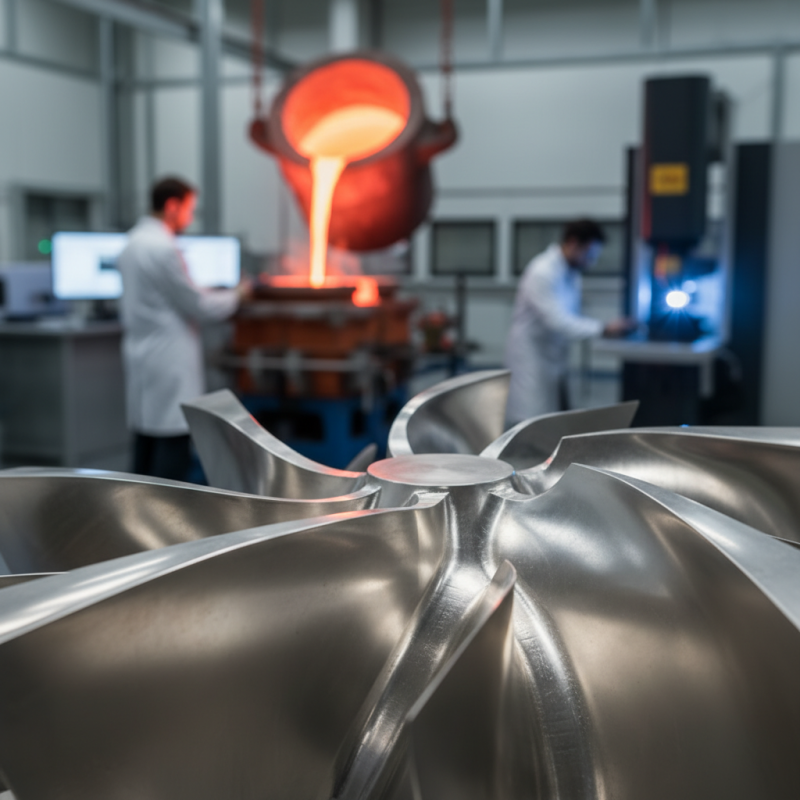
Definition of Nickel Alloy Castings and Their Composition
Nickel alloy castings are integral components in various industries. They consist primarily of nickel, along with other elements like chromium, molybdenum, and iron. These alloys are known for their excellent corrosion resistance and high-temperature strength. According to the Shanghai Metal Corporation, nickel alloys can withstand extreme environments, making them invaluable in aerospace and chemical processing sectors.
Additionally, the composition of nickel alloys is critical to their properties. For example, adding chromium enhances oxidation resistance, while molybdenum improves strength at elevated temperatures. Market research from Grand View Research indicates that the global demand for nickel alloys is expected to grow, driven by the increasing use in automotive and marine applications. However, there are challenges. The variability in raw material quality can lead to inconsistencies in casting performance.
Castings made from nickel alloys also face production challenges. The process requires precise control over temperature and mold design to prevent defects. This complexity can lead to higher costs and potential waste. Effective monitoring is essential to ensure the integrity of each casting produced. Ultimately, understanding the nuanced composition and manufacturing intricacies of nickel alloy castings is vital for their continued relevance in technology-driven applications.
Key Properties of Nickel Alloys that Enhance Castings Performance
Nickel alloy castings are critical in various industries due to their unique properties. These alloys are known for their excellent corrosion resistance, strength, and high-temperature stability. Such attributes make them ideal for demanding environments like chemical processing and aerospace applications.
One of the key properties of nickel alloys is their ability to withstand harsh conditions without significant degradation. This quality allows them to perform effectively in extreme temperatures and corrosive environments, extending the lifespan of the cast components. Additionally, their excellent mechanical properties ensure that the castings can endure heavy loads without failing.
Tip: When selecting nickel alloy castings, consider the specific environmental conditions they will face. This can include exposure to chemicals or temperature fluctuations.
Nickel alloys also exhibit good weldability, making them easier to integrate into complex systems. However, their casting process can still present challenges. The high melting point of nickel alloys requires special equipment and careful handling to ensure quality results.
Tip: Always consult with experts when working on nickel alloy projects to minimize risks and improve outcomes.
Applications of Nickel Alloy Castings in Various Industries
Nickel alloy castings play a significant role across numerous industries. These materials are known for their durability and corrosion resistance, making them ideal for harsh environments. In aerospace, nickel alloys are used in turbine engines. They withstand extreme temperatures and pressures. In the chemical processing sector, these castings resist corrosive chemicals, enhancing safety and efficiency.
In the marine industry, nickel alloy castings are vital for shipbuilding. They’re used in components that face seawater exposure. This resistance helps prevent rust and material degradation. Similarly, in oil and gas, these alloys are essential for valves and pipelines. Their strength ensures reliable operation in demanding conditions.
Tips: When selecting nickel alloy castings, consider the specific environment and application. Ensure you understand the required properties. Consulting with a materials expert can provide valuable insights. Regular maintenance is essential for long-term performance. This approach can help mitigate potential failures and enhance reliability.
Advantages of Using Nickel Alloy Castings Over Other Materials
Nickel alloy castings have become crucial in many industries due to their superior properties. These castings are resistant to corrosion, high temperatures, and wear. Reports indicate that nickel alloys can withstand extreme conditions better than stainless steel or aluminum. For example, in the aerospace sector, nickel-based superalloys are often preferred for turbine components due to their ability to maintain strength at elevated temperatures.
The advantages of using nickel alloy castings are clear. They offer excellent mechanical properties, including tensile strength and ductility. According to industry data, nickel alloys exhibit better elongation ratings compared to other materials. In harsh environments, these castings can last significantly longer, translating to lower maintenance costs. However, the challenge often lies in the complexity of the casting process. It requires precise temperature control and expert handling.
Additionally, while nickel alloys can be more expensive, the long-term benefits often justify the initial costs. In marine applications, for instance, the investment in nickel castings can prevent failures that might lead to costly repairs or replacements. Some experts suggest that the industry needs to find a balance between cost and performance. This ongoing assessment ensures that stakeholders fully understand the implications of their material choices.
Advantages of Nickel Alloy Castings Over Other Materials
Nickel alloy castings offer several advantages over traditional materials, which are reflected in the ratings illustrated in the bar chart. These advantages include superior corrosion resistance, impressive heat resistance, high mechanical strength, good weldability, and decent ductility, making nickel alloys highly valuable in various industrial applications.
Challenges in the Production and Processing of Nickel Alloy Castings
Nickel alloy castings play a crucial role in many industries, from aerospace to chemical processing. However, their production and processing come with unique challenges. One significant issue is the difficulty in achieving uniformity in alloy composition. Variations can lead to inconsistent mechanical properties. Maintaining a proper balance of nickel and other elements is essential for optimal performance.
Another challenge is the casting process itself. Nickel alloys often have complex geometries. These shapes can result in defects like porosity and inclusions. Controlling the cooling rate is vital. A slow cooling process can result in better properties, but it can also increase production time.
Tips:
Evaluate material quality before production. This can prevent defects.
Consider advanced casting techniques to reduce issues linked to complex shapes.
Finally, post-processing techniques also pose challenges. Heat treatment and machining are necessary for optimal performance. However, these processes can introduce stress, leading to warping. It is crucial to develop effective strategies to manage these stresses, ensuring the final product meets industry standards.