Why Are Pressure Reducing Regulators Essential for Safety?
Pressure Reducing Regulators are crucial in many industrial applications. They ensure systems operate safely by regulating gas pressure. According to John Smith, a leading expert in the field, “Pressure Reducing Regulators are often the unsung heroes of safety systems.” Without these components, systems could see dangerous pressure spikes.
In everyday scenarios, these regulators protect both equipment and personnel. They decrease high inlet pressure, preventing damage and accidents. For example, in a natural gas system, unregulated pressure can lead to severe consequences. A well-functioning Pressure Reducing Regulator can prevent incidents that might otherwise go unnoticed.
However, not all installations are perfect. Some may overlook regular maintenance, risking safety. This negligence underscores the importance of understanding how Pressure Reducing Regulators work. Ongoing education and awareness are vital for safe operations. Rediscovering the role of these devices can lead to better outcomes for all.
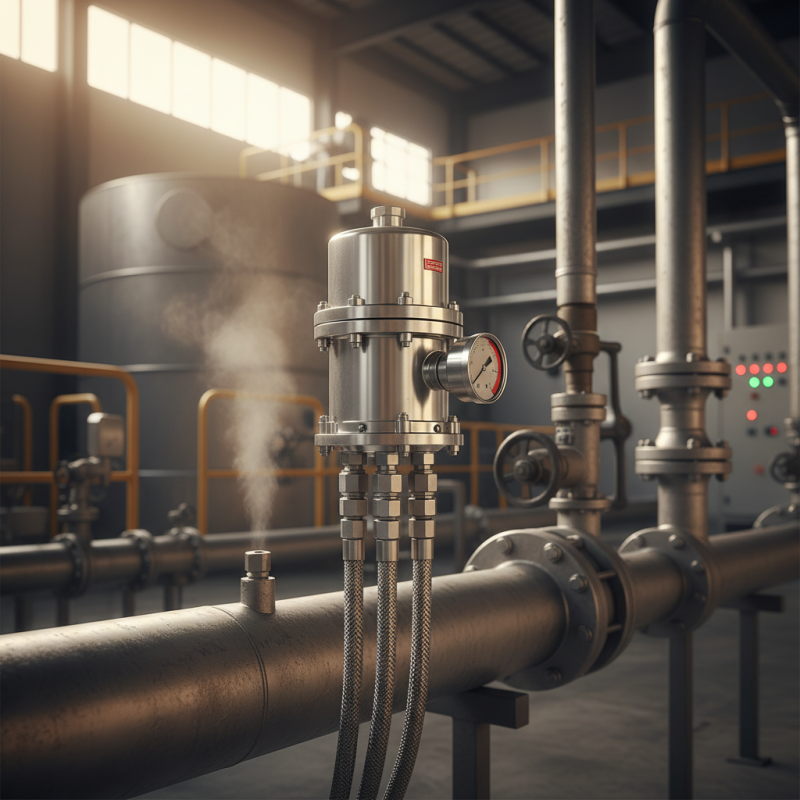
Importance of Pressure Reducing Regulators in Industrial Applications
Pressure reducing regulators play a vital role in various industrial applications. They help maintain a stable pressure in gas and fluid systems. When the pressure is too high, it can cause unsafe conditions. Equipment may fail, leading to leaks or explosions. In some situations, a sudden pressure change can lead to loss of control over processes.
In many factories, these regulators are crucial for safety. For example, in chemical plants, they ensure the right pressure for reactions. If the pressure is too high, it may disrupt the process. Operators need to monitor these devices closely. A regulator failing to function correctly can threaten the entire operation. Regular checks and maintenance are essential.
However, human error can impact their performance. Often, workers overlook small signs of wear. This negligence might lead to significant issues. Training personnel to recognize these signs is necessary. Investing in proper controls and safety systems can mitigate risks. Ultimately, understanding the importance of pressure reducing regulators is not just a technical matter. It’s also about fostering a culture of safety in the workplace.
Understanding Pressure Variations and Their Impact on Equipment Safety
Pressure variations can pose significant risks to equipment safety. When pressure levels fluctuate outside safe operating ranges, machinery can malfunction. These malfunctions may lead to equipment failure or even accidents. Understanding how pressure behaves is crucial for maintaining operational safety.
To prevent hazardous situations, pressure reducing regulators play a key role. They stabilize pressure levels and ensure that equipment operates smoothly. Proper regulation minimizes stress on components, extending their lifespan. However, not all systems are equipped with effective regulators. This can lead to unpredictable outcomes.
Tips: Regular maintenance and inspection of pressure systems are vital. Check for leaks and ensure regulators function properly. If pressure variables are inconsistent, investigate further. Take corrective action sooner rather than later. Be proactive, not reactive. In doing so, you can significantly enhance overall safety.
Key Statistics on Gas and Liquid Pressure Incidents in Various Industries
Pressure incidents in industries can lead to severe consequences. According to the American Society of Safety Professionals, approximately 40% of workplace injuries are linked to improper pressure management. This statistic highlights the critical need for pressure reducing regulators.
In the chemical sector, gas leaks can be catastrophic. A report from the Occupational Safety and Health Administration (OSHA) reveals that 20% of chemical accidents are due to pressure failures. Similarly, the oil and gas industry faces significant risks. The International Association of Oil & Gas Producers reported that over 50% of pipeline incidents involve pressure issues. Such incidents underscore the necessity of implementing effective pressure regulation systems.
The food and beverage industry is not immune either. A study indicated that inadequate pressure control contributes to 10% of contamination cases. These figures raise important questions about existing safety measures. Are organizations doing enough to prevent pressure-related incidents? Enhanced training and better technology could help. Prioritizing safety equipment like pressure reducing regulators is not just wise; it's essential for protecting lives and assets.
How Pressure Regulators Enhance System Efficiency and Reduce Risks
Pressure regulators play a crucial role in enhancing system efficiency across various industries. According to a report by the National Institute of Standards and Technology, improper pressure management can lead to energy losses of up to 30%. This inefficiency not only escalates operational costs but also poses safety risks. By maintaining optimal pressure levels, regulators ensure that systems operate smoothly, reducing wear and tear on equipment.
Moreover, pressure reducing regulators are vital in preventing hazardous situations. The Occupational Safety and Health Administration (OSHA) indicates that approximately 10% of industrial accidents stem from improper pressure control. Regulators help in managing pressure spikes, preventing explosions or leaks in gas systems. For instance, in chemical plants, a sudden pressure surge can create dangerous situations, potentially harming personnel and damaging infrastructure.
While technology has advanced, many facilities still overlook the necessity of regular inspections and maintenance of pressure regulators. A report from the American Society of Mechanical Engineers states that nearly 25% of pressure systems fail due to poor maintenance. This highlights the need for reflection on current practices. Regular checks can significantly improve safety and ensure that systems run at peak efficiency. Recognizing and addressing these gaps is essential for protecting both workers and investments.
Regulatory Standards and Best Practices for Pressure Regulation Safety
Pressure regulating systems are critical for maintaining safety in various industrial applications. Regulatory standards have been established to ensure proper functioning and reliability. The American Society of Mechanical Engineers (ASME) emphasizes that regular inspections and maintenance can prevent failures. It’s estimated that around 30% of pressure-related incidents could be avoided with proper regulation.
Adhering to best practices in pressure regulation is vital. Proper installations can reduce the risk of accidents. In fact, a report from the National Safety Council indicates that well-maintained pressure regulators can lower incident rates by up to 40%. Yet, many industries still overlook the importance of routine checks. Some operators believe they can ignore minor leaks or pressure inconsistencies. This mindset can lead to significant hazards.
Frequent training and awareness programs are necessary for workers. Understanding how pressure regulators function is crucial. A failure to grasp these fundamentals can result in a dangerous work environment. There’s still a gap in knowledge among personnel. Addressing this lack of training is essential for overall safety. The statistics support this need; many incidents stem from human error, not just equipment failure.