Why Choose a Small Cement Mixer for Your Concrete Projects?
In recent years, the construction industry has seen a significant shift towards efficiency and flexibility. One compelling solution is the use of Small Cement Mixer Concrete equipment. According to a report by Statista, the global concrete mixer market is expected to reach $15 billion by 2025. Small mixers are gaining traction due to their ease of use and versatility on job sites.
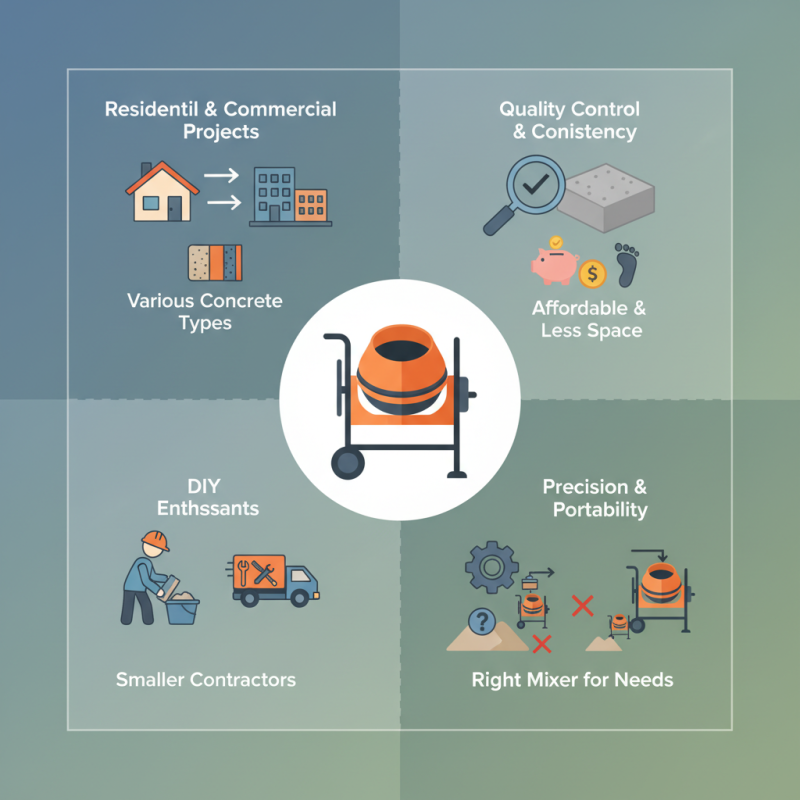
Small cement mixers offer a practical solution for both residential and commercial projects. They can handle various concrete types, making them an ideal choice for smaller tasks. A study conducted by the American Concrete Institute highlights that using smaller mixers can lead to better control over quality and consistency, which is crucial in construction. Additionally, these mixers are often more affordable and require less space, making them accessible for smaller contractors and DIY enthusiasts.
However, there are challenges. Users must ensure they are using the right mixer for their specific project needs. Sometimes, smaller quantities may lead to inefficiencies in larger operations. Nevertheless, for many applications, small cement mixers are a reliable choice. They embody a focused approach to concrete mixing, emphasizing precision and portability without compromising quality.
Benefits of Using a Small Cement Mixer for Home Projects
Choosing a small cement mixer for home projects offers numerous benefits. These mixers are convenient for tasks like building patios or driveways. They are usually easier to transport and operate than their larger counterparts. Their compact size allows them to fit into tight spaces, making them ideal for residential projects.
When using a small mixer, it's important to follow some tips for optimal results. Measure your materials accurately. This ensures the right consistency for your concrete mix. Mixing too much at one time can lead to waste. It's better to mix smaller batches to maintain quality.
A small mixer also allows for better control over the mixing process. This can be particularly helpful for DIYers who may not have extensive experience. To tighten your mix, add water gradually. Taking your time here can prevent a soupy mixture. Adjust based on your project needs for the best outcome. Remember to clean your mixer promptly after use. Dried concrete can be tough to remove. Taking these steps can enhance the efficiency of your home concrete projects.
Why Choose a Small Cement Mixer for Your Concrete Projects?
| Feature | Description | Benefit |
| Portability | Lightweight and easy to move | Ideal for home use in various locations. |
| Ease of Use | Simple controls and setup | User-friendly for DIY projects. |
| Mixing Efficiency | Consistent mixing for small batches | Ensures quality concrete for home improvements. |
| Cost-Effective | Lower purchase and maintenance costs | Great for budget-conscious projects. |
| Compact Size | Small footprint for storage | Easily stored in small spaces. |
Comparison Between Small and Large Cement Mixers
When considering cement mixers, the choice between small and large models can significantly impact your concrete projects. Small cement mixers offer unique advantages. They are designed for ease of use, especially in tight spaces. Reports suggest that small mixers can deliver concrete quickly, making them suitable for small-scale projects like patios or sidewalks. Their capacity, often around 2-3 cubic feet, allows for efficient mixing without the excess weight of larger machines.
Large cement mixers typically hold between 6 to 10 cubic feet. This size works well for substantial construction sites that require a high volume of concrete. However, the larger capacity may lead to wasted materials if a project does not require such volume. Moreover, the extra weight can complicate mobility on smaller job sites.
Cost is another notable point. Small mixers generally have lower upfront costs and maintenance expenses. This can appeal to DIY enthusiasts and small contractors. Yet, they may require multiple batches for bigger projects. Industry experts suggest that selecting the right size can optimize both efficiency and budget. Larger mixers could lead to faster completion times, but the operational costs could surpass the benefits, especially for smaller tasks. Balancing efficiency with practicality is essential in making the right choice.
Key Features to Look for in a Small Cement Mixer
When selecting a small cement mixer for your concrete projects, certain features are crucial. First, consider the capacity. A typical small mixer holds between 2 to 6 cubic feet. This size is ideal for home improvement tasks or small to medium construction jobs. According to a report by the American Concrete Institute, a mixer with a 3-cubic-foot capacity is sufficient for mixing up to 10 bags of concrete, making it popular among DIY enthusiasts.
Next, look at the power of the motor. A mixer with at least a 1/2 horsepower motor can handle tough materials. A more powerful motor ensures consistent mixing and longevity. More than 70% of users prefer mixers with durable steel construction. Steel mixers resist damage from wear and tear, ensuring reliability over time. However, some models may feel cumbersome. Weighing between 90 to 150 pounds, they can be challenging to maneuver for some users.
Lastly, pay attention to portability features like wheels and handles. Models designed with easy-to-move wheels can save time and effort. A study from the Construction Industry Institute indicates that efficient equipment movement can cut project time by up to 18%. However, not all designs prioritize portability, leading to potential inconvenience. Always test ease of use before making a purchase.
Why Choose a Small Cement Mixer for Your Concrete Projects?
This bar chart illustrates the key features to consider when choosing a small cement mixer for concrete projects. The features include capacity, weight, portability, power source, and ease of cleaning.
How to Properly Maintain Your Small Cement Mixer
Maintaining your small cement mixer is essential for optimal performance. Regular cleaning is critical. After each use, remove leftover concrete. It hardens quickly and can clog mechanisms. Use water and a brush to scrub the drum. Pay attention to the paddles; they often collect debris.
Lubrication is another key aspect of maintenance. Check the bearings regularly and apply grease as needed. Dry bearings can wear out quickly. Inspect the electrical components for signs of wear, as they ensure the mixer operates smoothly. Faulty wiring can lead to unexpected breakdowns.
Additionally, monitor your mixer for unusual sounds during operation. These noises might indicate underlying issues. Check for loose bolts or worn-out parts. Keeping a maintenance log can help you track wear over time. A well-maintained cement mixer not only lasts longer but delivers better results on your projects. Don't overlook the small details; they make a big difference.
Tips for Efficiently Using a Small Cement Mixer in Your Work
When embarking on concrete projects, a small cement mixer can greatly enhance productivity. These mixers are user-friendly and versatile, making them ideal for DIY enthusiasts and skilled professionals alike. According to data from the Portland Cement Association, efficient mixing can improve overall concrete strength by up to 20%. This significant gain is vital in achieving durable and lasting structures.
Utilizing a small cement mixer effectively requires a few key strategies. Begin by measuring your materials accurately. A common error is not using the right proportions of cement, sand, and gravel. Additionally, make sure to pre-wet the mixer to prevent sticking. This small step can save you time on cleaning later.
Another critical tip is to mix in batches. Overloading a mixer compromises performance and leads to uneven consistency. It’s beneficial to take breaks between mixes to prevent overheating the motor. Research indicates that doing so extends the lifespan of your equipment. Always have clean water available; inconsistent moisture levels can affect the curing process. With these tips in mind, using a small cement mixer can transform your concrete projects into successful outcomes.