Top Automation Systems in China for Global Buyers?
In recent years, automation systems have transformed industries worldwide, making them more efficient and productive. This trend is particularly evident in China, where technological advancements drive significant growth. Global buyers are increasingly drawn to China's innovative solutions in automation systems. The demand for these systems is high, but the market can be complex.
Chinese companies excel in developing diverse automation systems. From robotics to smart factories, their offerings range widely. However, not all systems are created equal. Buyers must evaluate options based on reliability and performance. Some providers may fall short in customer support or integration capabilities.
Navigating this landscape requires a keen understanding of local manufacturers. Recognizing the strengths and weaknesses of various systems is essential. For instance, some automation systems are renowned for precision but lack versatility. Others may offer broad functionalities but sacrifice speed. These considerations are critical for effective decision-making.
Overview of China’s Automation Market Growth in 2023
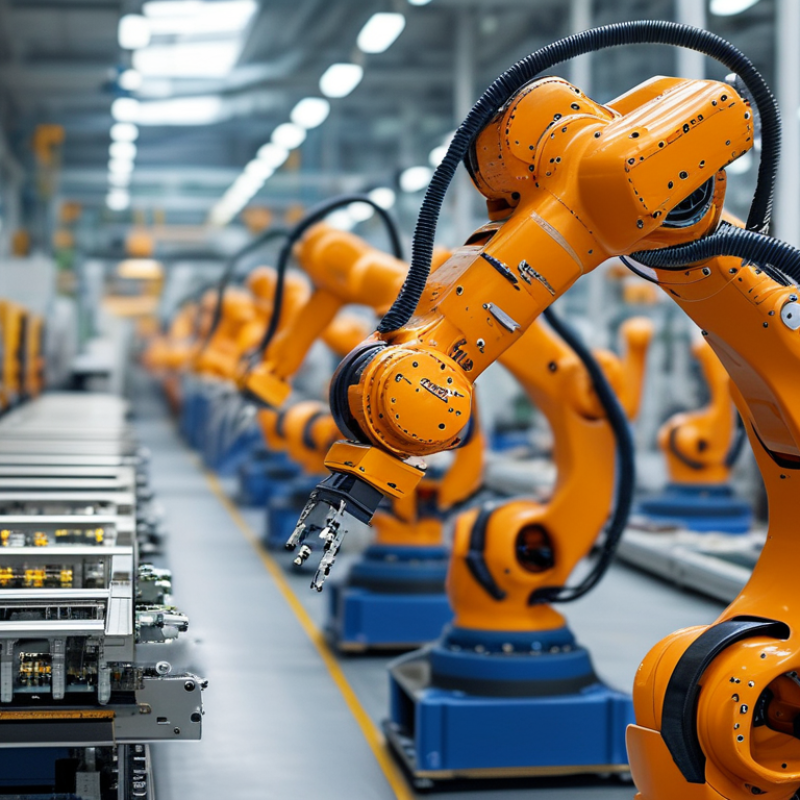
In 2023, China's automation market has shown remarkable growth. The country's commitment to technological innovation drives this progress. Recent reports highlight increasing investments in automation technologies across various industries. Factories are transforming, with robotics and artificial intelligence playing crucial roles. These advancements are not just enhancing efficiency. They are also addressing workforce shortages and elevating productivity levels.
However, challenges remain. Many businesses face issues related to integration. Adapting legacy systems to new automation technologies can be complex. Additionally, the skills gap in the workforce needs attention. There is a growing demand for workers skilled in AI and robotics. Bridging this gap is essential for sustained growth in the automation sector. Companies must invest in training and stakeholder engagement to build a competent workforce.
Furthermore, global buyers are keenly observing this evolving landscape. Expectations around quality and reliability dictate purchasing decisions. Understanding local market dynamics is crucial for success. Personalized approaches in automation solutions are increasingly important. As the market matures, focus on sustainability and environmental impact grows stronger. Global buyers must critically evaluate how these factors influence their strategies in the changing automation environment.
Key Players in China's Automation Systems: Market Share Analysis
China's automation systems market is expanding rapidly. In 2022, the market was valued at approximately $45 billion, with an expected growth rate of 12% annually. This growth is driven by increased investments in smart manufacturing and Industry 4.0 initiatives. Key segments include robotics, process automation, and factory automation.
Major players dominate the market, holding over 70% of the share. The competitive landscape is witnessing a surge in innovation. For instance, the robotics segment saw a 15% increase in sales due to rising demand in various industries. However, smaller companies face challenges in keeping pace with these technological advancements.
Tips: Consider your specific needs when exploring automation systems. Look for solutions that adapt to your operations. Staying updated with industry trends is crucial for making informed decisions. Analyze how advancements can affect your business positively.
Innovative Technologies Driving Automation Success in China
China's automation industry has seen tremendous growth, largely driven by innovative technologies. Artificial intelligence is at the forefront. AI algorithms enhance machine learning capabilities, allowing systems to adapt and improve. This has revolutionized manufacturing processes. Robotics also plays a significant role in automation. Robots can efficiently handle repetitive tasks, ensuring consistency and accuracy. The integration of IoT (Internet of Things) further enhances these systems. Smart devices communicate, generating valuable data that optimizes operations.
China's commitment to research and development is evident. The focus is on designing systems that are both efficient and scalable. However, challenges remain. Some businesses struggle with integrating advanced technologies into existing setups. Others face skilled labor shortages, which can hinder innovation. Cybersecurity is another pressing issue. As automation systems become more connected, the potential for cyber threats increases. This requires constant vigilance and investment in security measures.
Despite these hurdles, the outlook remains positive. Automation in China is evolving rapidly. Industries are beginning to embrace digital transformation more fully. New solutions are constantly emerging, pushing boundaries and redefining possibilities. The drive for automation continues to be strong, making China a vital player on the global stage.
Supply Chain Dynamics: China’s Role in Global Automation Procurement
China has emerged as a key player in the global automation landscape. Its manufacturing capabilities and technological advancements are significant. This dynamic has reshaped supply chain strategies for businesses worldwide. Many companies now seek automation solutions from Chinese manufacturers. They offer cost-effective options and innovative technologies.
The integration of automation systems enhances efficiency in production lines. However, challenges exist. Quality assurance remains a concern for many buyers. Ensuring that products meet international standards is crucial. Some companies report inconsistencies in product performance. Rigorous testing and certifications can help mitigate these issues.
Moreover, geopolitical factors play a role in procurement. Businesses must navigate trade regulations and tariffs. This complexity adds a layer of risk to sourcing from China. Buyers should build strong relationships with suppliers. Clear communication can lead to better outcomes. Understanding local market trends is equally important. By adapting to these dynamics, global buyers can better leverage China's automation potential.
Challenges and Opportunities for Foreign Buyers in Chinese Automation
Foreign buyers face both challenges and opportunities when entering the Chinese automation market. Language barriers can complicate communications. Understanding local business etiquette is essential. Navigating regulations can be daunting. Compliance with local laws varies across regions.
However, the market is vast and growing. The demand for automation systems in industries like manufacturing and logistics is surging. There is a wealth of innovation and technology present in the Chinese market, which can benefit international businesses.
When considering a partnership, research is crucial. Build a network of local contacts who can provide insights. Develop a clear understanding of market trends. Engaging with local professionals can help bridge cultural gaps. Always assess the reliability of suppliers, considering their track record and reputation. Balancing risks and benefits requires diligence and adaptability in this dynamic landscape.
Top Automation Systems in China for Global Buyers
| Category |
Market Share (%) |
Growth Rate (%) |
Key Technologies |
Challenges Faced |
| Manufacturing Automation |
30 |
15 |
Robotics, AI, IoT |
High competition, local preferences |
| Process Automation |
25 |
10 |
DCS, PLC, SCADA |
Regulatory hurdles, integration issues |
| Building Automation |
20 |
12 |
BMS, HVAC controls |
Cultural barriers, data privacy |
| Transportation Automation |
15 |
8 |
Smart traffic management, autonomous vehicles |
Infrastructure gaps, safety standards |
| Retail Automation |
10 |
20 |
POS systems, inventory management |
Consumer behavior shifts, technology adoption |