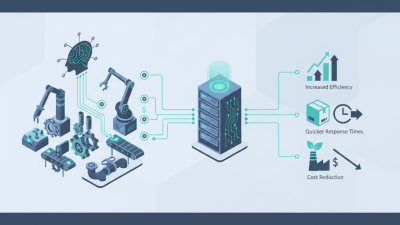
Control systems automation is revolutionizing industries by enhancing efficiency and productivity. According to recent reports, the global market for automation is projected to reach $300 billion by 2025. This rise is driven by innovative technologies such as IoT and AI. These advancements bring both opportunities and challenges.
In manufacturing, smart factories utilize automated control systems. Improved monitoring and precise control can lead to 20% waste reduction. Yet, companies must adapt to the complexities of integrating these systems. The balance between technology and human oversight remains crucial.
Automation also transforms sectors like energy and transportation. For instance, autonomous vehicles depend on advanced control algorithms. With these innovations, road safety and traffic management can improve significantly. However, the transition isn’t without obstacles. Addressing cybersecurity concerns is vital for adopting these new systems. Overall, control systems automation is a double-edged sword, promising great progress while requiring careful navigation.

Innovative control systems are revolutionizing manufacturing sectors. These systems enable precise monitoring and automation of processes. Efficiency has become a critical factor for success. Real-time data collection is now standard. This allows for quick decision-making and minimizes downtime.
Here are some tips to enhance efficiency in your operations. Consider integrating IoT devices. They provide valuable data insights. Train your team on new technologies. Employee proficiency is crucial. Establish a feedback loop to identify issues early. This helps to improve processes continuously.
Automation is not without challenges. Over-reliance on technology can lead to vulnerabilities. Human oversight is still essential. Regular assessments help ensure that systems are running optimally. Balancing innovation and human input is key to sustainable progress.
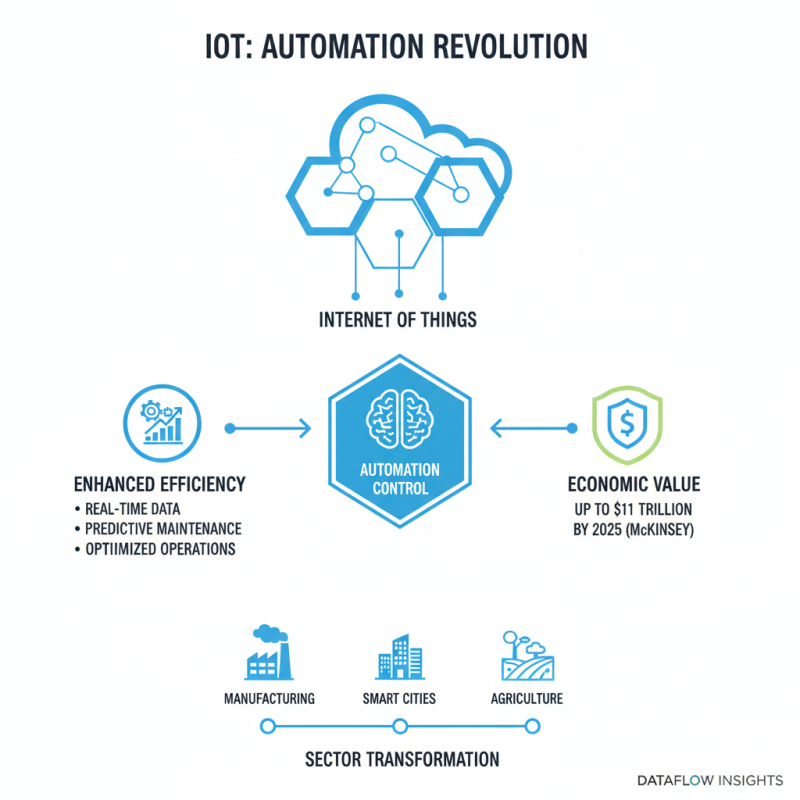
The Internet of Things (IoT) is significantly changing automation control systems. Industries are now leveraging IoT to enhance efficiency. According to a recent report by McKinsey, IoT could create up to $11 trillion in economic value by 2025. This transformation is evident in sectors like manufacturing, where real-time data is crucial.
IoT devices collect vast amounts of data. This data drives better decision-making and predictive maintenance. For example, sensors monitor equipment conditions. They send alerts before failures occur. It reduces downtime and improves productivity. Yet, integrating IoT with existing systems poses challenges. Many companies struggle with data security and interoperability.
**Tip:** Investing in training and cyber-security measures is key. Educate your team about emerging threats and system integrations.
The role of data analytics in automation cannot be overstated. Predictive analytics powered by IoT enables businesses to anticipate maintenance needs. A study revealed that predictive maintenance can lower maintenance costs by up to 30%. Organizations must recognize that not all data collected is useful. Filtering through noise and focusing on actionable insights is vital for success.
**Tip:** Regularly assess data relevance to avoid information overload. Keep refining your data strategies.
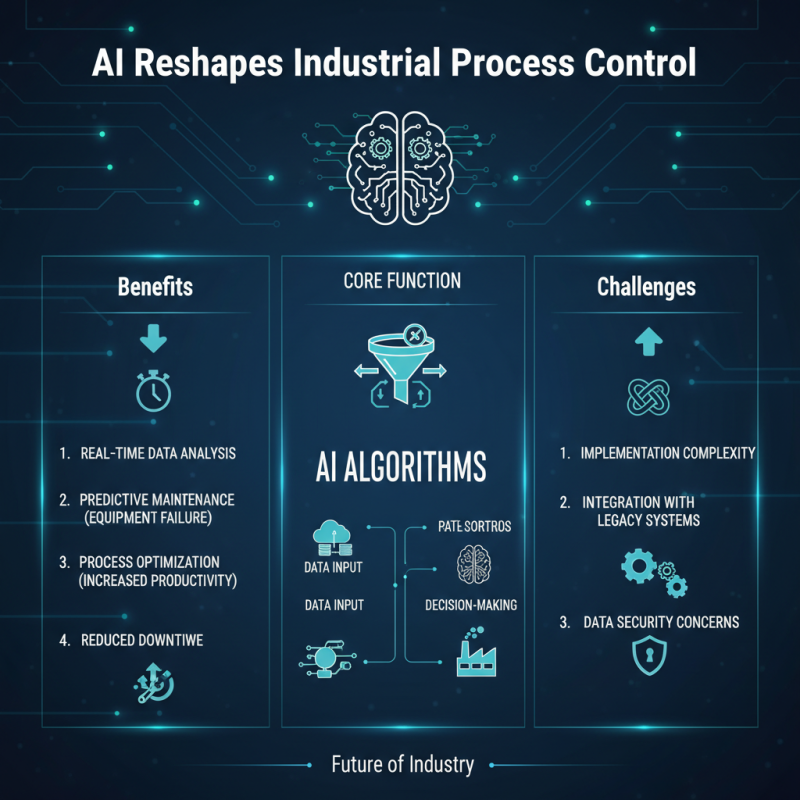
Artificial intelligence is reshaping industrial process control in numerous ways. AI algorithms analyze vast amounts of data in real-time. This allows for timely decision-making. These systems can predict equipment failures or process anomalies. They can enhance productivity and reduce downtime. However, there are challenges in implementing AI solutions. Integrating new technologies with legacy systems can be complicated.
Machine learning models are being used for process optimization. They learn patterns from historical data and adjust operations accordingly. This can lead to significant cost savings. Yet, not all companies have the resources to invest in such innovations. Smaller businesses may struggle to keep pace. Data security is another concern. As industries rely more on AI, protecting sensitive information becomes critical.
In addition, over-reliance on AI may lead to unforeseen issues. Human oversight remains essential. There are instances where AI systems made incorrect predictions. These errors can be costly. It's vital to maintain a balance between human expertise and machine intelligence. As industries embrace AI, reflection on these challenges will be key to successful implementation.
The impact of advanced robotics on supply chain management is profound. Robotics optimizes storage, picking, and packing processes. Automated systems reduce errors and speed up operations. Companies notice significant improvements in efficiency. However, introducing these technologies is not without challenges.
Implementing robotics requires training staff. Workers can feel threatened by automation. It’s essential to address these concerns openly. Balancing human labor and automation is critical. Effective integration can take time, needing adjustment from all team members.
Tips: Regularly communicate the benefits of robotics. Involve employees in the transition process. Encourage feedback to refine the approach. Automating processes may not eliminate jobs but can create new roles. Emphasizing this can help alleviate fears. Fostering a culture of continuous learning can make everyone comfortable with change. Adaptation is key to successful automation in the supply chain.
This chart illustrates the impact of advanced robotics on automation in supply chain management, highlighting key innovations and their significance across various industries.
Real-time decision-making in control systems has witnessed a profound transformation due to data analytics. By harnessing vast amounts of data, industries can now make informed decisions almost instantaneously. This shift is not just a trend; it is reshaping how operations are conducted across various sectors. For instance, predictive analytics can forecast equipment failures before they occur. This proactive approach can save time and costs. Yet, not all companies fully utilize this potential.
Many organizations still struggle with data integration and analysis. They often rely on outdated systems that do not leverage real-time capabilities. Data silos can hinder communication between departments. Without proper data sharing, the decision-making process becomes ineffective. This inefficiency leads to missed opportunities. Additionally, the workforce may lack the necessary skills to interpret complex data sets, resulting in suboptimal decisions.
The journey into advanced data analytics is filled with challenges. Not every organization can easily adapt to these innovations. Some may rush the implementation, overlooking critical steps. Maturity in data analytics is essential for successful transformation. Companies need to invest in training and infrastructure to fully benefit from these advancements. Embracing these changes can be daunting, but the potential advantages are staggering.
| Rank | Innovation | Description | Impact on Industry | Implementation Year |
|---|---|---|---|---|
| 1 | AI-Driven Predictive Maintenance | Utilizing AI algorithms to predict equipment failures before they occur. | Reduces downtime and repair costs across manufacturing sectors. | 2019 |
| 2 | Cloud-Based Control Systems | Integration of control systems with cloud technology for accessibility. | Enhances remote monitoring and management capabilities. | 2020 |
| 3 | IoT Integration for Smart Manufacturing | Connecting machines and sensors to the internet for data collection. | Increases operational efficiency and data-driven insights. | 2021 |
| 4 | Digital Twins Technology | Creating digital replicas of physical systems for simulation and analysis. | Enhances design, testing, and operational performance. | 2022 |
| 5 | Data Analytics for Real-Time Monitoring | Utilizing data analytics to assess performance in real-time. | Improves decision-making and operational agility. | 2020 |
| 6 | Blockchain for Supply Chain Transparency | Using blockchain technology to ensure data integrity in supply chains. | Enhances trust and traceability in logistics. | 2019 |
| 7 | Robotic Process Automation (RPA) | Automating repetitive tasks in operational processes. | Reduces labor costs and increases efficiency. | 2021 |
| 8 | Augmented Reality for Training | Using AR for better training experiences in operations. | Enhances worker safety and skill acquisition. | 2022 |
| 9 | Edge Computing for Low-Latency Processing | Processing data closer to the source for faster insights. | Improves response times and reduces bandwidth usage. | 2021 |
| 10 | Cybersecurity Innovations in Control Systems | Enhanced security measures for protecting operational technology. | Mitigates risks associated with cyber threats in critical infrastructure. | 2023 |