What is a Vertical Expander Machine and How Does it Work?
The Vertical Expander Machine is an innovative tool widely used in manufacturing and construction. It plays a crucial role in shaping and expanding materials for various applications. By applying a vertical force, this machine efficiently alters the dimensions of the workpiece, enabling precision in production.
Understanding how a Vertical Expander Machine operates can lead to significant improvements in efficiency. This machine consists of essential components, including hydraulic systems and control mechanisms. Operators must possess specific skills to manage these machines effectively. In some cases, challenges arise, such as ensuring even expansion and maintaining material integrity.
The reliability of a Vertical Expander Machine relies heavily on operator training and proper maintenance. Misuse can lead to inaccuracies in the expansion process. Reflecting on past experiences, it's clear that thorough knowledge and careful operation are vital. Continuous improvement in techniques and understanding machine limitations is essential for achieving optimal results.
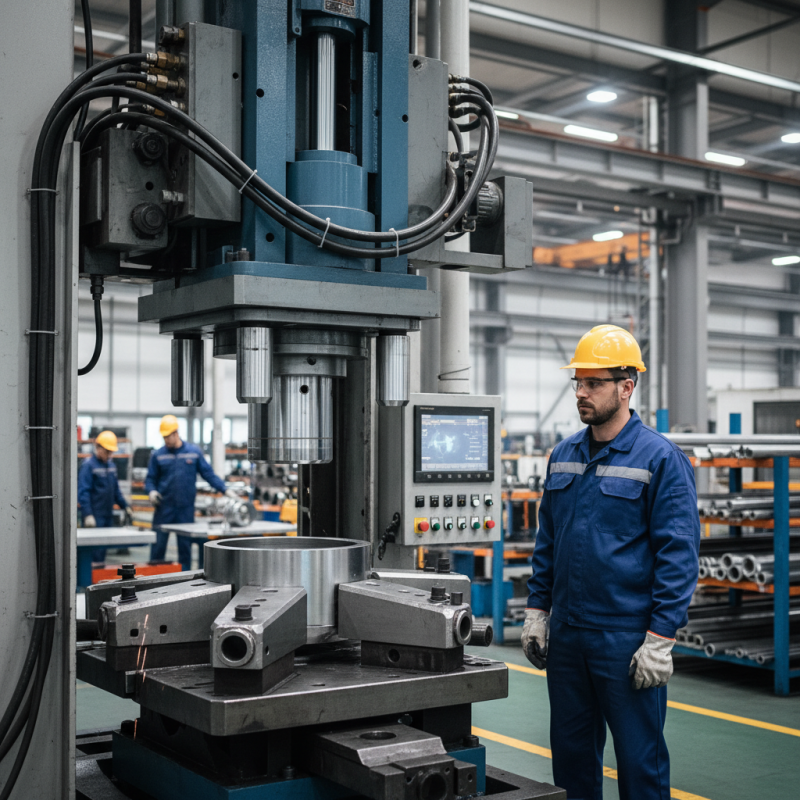
What is a Vertical Expander Machine?
A vertical expander machine is a specialized tool used primarily in manufacturing. It is designed to help stretch, expand, or alter the shape of materials such as metals or plastics. The machine utilizes a pressing mechanism and often incorporates hydraulic or pneumatic systems. This allows for precision adjustments in the expansion process.
In operation, a piece of material is placed into the machine, which then grips it securely. The vertical orientation of the machine allows for efficient use of space and easy material loading. The machine expands the material by applying controlled pressure. Operators must monitor these settings closely to avoid defects. An incorrectly set machine might result in uneven expansion, which can impact product quality.
The vertical expander is versatile. It can be used for various applications, from automotive components to industrial parts. However, operators may face challenges, such as calibrating the machine for different materials. This requires experience and technical knowledge. Experimentation is often part of the process, leading to a learning curve. Understanding the machine's limitations is essential for achieving consistent results.
Vertical Expander Machine Performance Data
The Key Components of a Vertical Expander Machine
A vertical expander machine is a critical tool in various industries, particularly in the manufacturing of lightweight materials. Understanding its key components helps in grasping its functionality. The main component is the vertical expander unit, which consists of a hopper, an expansion chamber, and a series of rollers.
The hopper feeds raw material into the expansion chamber. Inside, the material undergoes a process of mechanical stretching. This is where the rollers engage, applying pressure and allowing the material to expand uniformly. The interior design of the chamber ensures optimal flow and reduces the risk of clogging.
One often overlooked aspect is the machine's control system. It manages speed, pressure, and temperature, enhancing production efficiency. Operators need to monitor these parameters closely for consistent quality. However, faults can occur, especially with improper calibration. Regular maintenance and operator training are vital but frequently neglected. Recognizing these challenges can improve the overall reliability of the vertical expander machine.
How Does a Vertical Expander Machine Operate?
A vertical expander machine is a specialized device used for various applications, such as food processing or material expansion. It works by utilizing mechanical force to stretch or enlarge materials vertically. The operation involves a motor-driven mechanism that ensures precision and efficiency, making the process seamless for manufacturers.
During operation, the vertical expander clamps the material in place. It then applies controlled pressure to lengthen or widen the material effectively. This operation can result in consistent product quality, critical for industries that rely on dimensional accuracy. Monitoring the machine's settings is crucial. Adjustments may be necessary based on the specific material type being used.
Tips: Regular maintenance of the expander is essential. Check the clamping areas frequently for wear and tear. Also, ensure the motor functions smoothly to avoid unexpected breakdowns. Keeping a log of operational parameters can help identify trends and pinpoint issues.
Another key factor is operator training. Skilled personnel can optimize the use of the machine. They should understand material characteristics and how they react under pressure. Training enhances safety and productivity. Any machine's limitations should also be recognized. Overextending materials can lead to defects, necessitating careful attention.
Applications of Vertical Expander Machines in Industry
Vertical expander machines play a vital role in various industries, especially where gas and liquid compression is required. These machines utilize the principles of thermodynamics to facilitate efficient gas expansion. In the petrochemical sector, for instance, they are often employed to enhance the oil recovery process, increasing yield rates by up to 15% according to recent industry analyses.
The manufacturing sector significantly benefits from the application of vertical expanders. They are utilized in refrigeration systems, ensuring optimal performance and energy savings. Recent reports indicate that energy costs in manufacturing can be reduced by 30% through the implementation of advanced vertical expander technology.
However, there are challenges. Many facilities face downtime due to maintenance issues. This calls for a reevaluation of current operational strategies to balance efficiency with reliability.
In the renewable energy realm, vertical expanders help harness geothermal energy. They convert high-pressure steam into mechanical energy, driving turbines. Data from energy research organizations suggest that integrating these expanders can boost geothermal plant efficiency by 20%. Nevertheless, the market still grapples with scalability concerns. A cautious approach to deployment can mitigate risks and enhance long-term sustainability in various applications.
Benefits of Using Vertical Expander Machines in Manufacturing
Vertical expander machines play a crucial role in modern manufacturing. They are designed to enhance the efficiency and quality of products. These machines stretch materials such as metals, plastics, and textiles, ensuring uniformity and precision. The process involves expanding the material vertically, allowing for better integration into larger systems or components.
One significant benefit of using vertical expander machines is improved material properties. The expansion process can enhance tensile strength and flexibility. Manufacturers can achieve tighter tolerances, leading to a better fit in assemblies. This results in more durable products that can withstand greater stress and strain over time. It is essential to note that the setup of these machines may require an experienced operator. Misalignment or incorrect settings can lead to wasted materials and increased costs.
Moreover, vertical expander machines can lead to reduced waste. By utilizing materials more effectively, manufacturers can lower scrap rates. However, achieving optimal performance may require continuous monitoring and adjustments. Companies often benefit from regular training and updates on best practices. This investment can further enhance productivity and reduce the likelihood of defects. In this rapidly evolving landscape, staying informed and flexible in operations is key.