Why Choose a UV Flatbed Printer for Your Business Needs?
In today's competitive market, choosing the right printing technology can make a significant difference for your business. A UV Flatbed Printer stands out due to its versatility and efficiency. Businesses require a solution that not only meets their creative needs but also ensures durability and quality.
UV Flatbed Printers are capable of printing on various materials. They can handle everything from wood to metal, offering diverse applications. This flexibility can open new avenues for business growth. However, not every investment leads to success. Understanding your specific requirements is crucial.
Moreover, these printers use UV light to cure ink instantly. This technology reduces drying time and increases productivity. However, initial costs can be high, and maintenance is essential. Reflecting on these aspects helps in making informed choices. In the end, weighing the pros and cons of a UV Flatbed Printer may lead to significant improvements for your business.
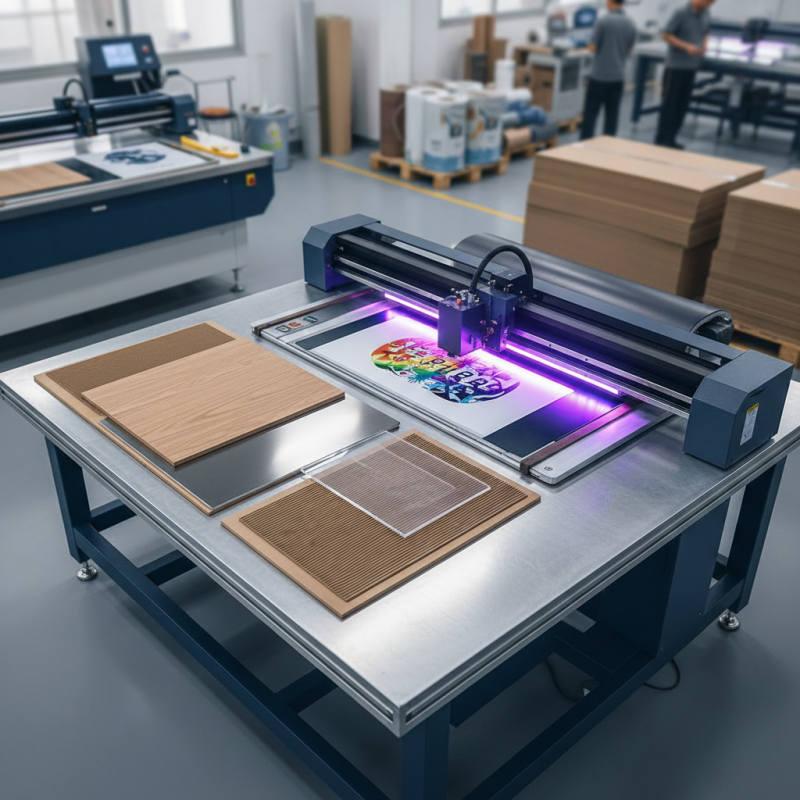
Benefits of UV Flatbed Printers for Various Industries
UV flatbed printers have transformed several industries. Their ability to print on various materials like wood, glass, and metal opens up numerous creative possibilities. According to a report by Smithers Pira, the global UV printing market is projected to grow at a CAGR of 10% through 2024, reflecting rising demand across sectors such as advertising, packaging, and décor. This growth is driven by the need for high-quality, durable prints.
One key benefit of UV flatbed printers is their quick drying time. Traditional ink dries through evaporation, but UV ink cures instantly under ultraviolet light. This speed allows for faster production, enabling companies to meet tight deadlines. For instance, a study by ResearchAndMarkets indicated that industries employing UV technology saw a 35% increase in productivity. Such efficiency can significantly boost profit margins.
Tip: When choosing a UV printer, consider your specific material needs. Not all printers perform well on every surface, so conducting material tests is crucial.
Moreover, environmental concerns are increasingly influencing business choices. UV printers use eco-friendly inks, reducing harmful emissions compared to solvent-based options. This aligns with the growing trend towards sustainability in manufacturing. However, businesses should also consider the initial investment costs and maintenance needs. Understanding these factors will lead to a more informed decision that balances efficiency and budget constraints.
Why Choose a UV Flatbed Printer for Your Business Needs?
| Industry | Benefit | Application Examples |
| Signage | High Quality and Durability | Banners, Outdoor Signage |
| Packaging | Versatile Material Usage | Custom Boxes, Labels |
| Interior Design | Creative and Customizable Designs | Wall Art, Decor Items |
| Automotive | Direct Printing on Various Surfaces | Vehicle Wraps, Custom Interior Panels |
| Textiles | Vibrant Colors and Details | Custom Apparel, Fabric Designs |
How UV Flatbed Printers Enhance Print Quality and Versatility
UV flatbed printers have revolutionized the printing landscape. They enhance print quality and versatility significantly. According to industry reports, UV printing can offer resolution levels up to 2400 dpi, ensuring crisp and vibrant images. This high-quality output has become essential for businesses aiming for superior visual presentation. The ability to print on various materials, from wood to glass, makes these printers versatile tools.
The UV curing process utilized ensures that inks dry instantly. This is a game changer for productivity. As noted by Printing Technologies, businesses experience up to 30% faster turnaround times with UV flatbed printers. This speed does not compromise quality. In fact, due to minimal ink absorption, colors remain bright and true even on unconventional substrates. Users often reflect on the learning curve required for material selection and calibration, as achieving the best results may need experimentation.
While UV printers provide numerous advantages, they also present unique challenges. The cost of initial investment may be daunting for some businesses. Additionally, the need for proper ventilation during operation requires careful planning. Nevertheless, as industries evolve, the benefits of adopting UV flatbed technology often outweigh these initial obstacles. Proper training and experience can mitigate the challenges, ultimately leading to greater business efficiency.
Cost Efficiency of Using UV Flatbed Printers for Businesses
The cost efficiency of using UV flatbed printers is a compelling reason for businesses to consider this technology. Unlike traditional printers, UV flatbed printers reduce waste by using UV-curable inks which do not evaporate. This leads to lower material costs and less environmental impact. Additionally, the ability to print directly on various surfaces means less need for pre-press preparation, saving time and money.
Incorporating UV flatbed printers can significantly streamline your production process. One tip is to evaluate your workload regularly. Focus on high-demand items that can benefit from UV printing. Another useful point is to combine different materials in one run. This will maximize the printer's capabilities and minimize costs.
Investing in a UV flatbed printer can lead to greater flexibility and creativity in your projects. Experiment with various substrates and designs to differentiate your offerings. However, it’s essential to remain critical about your production methods. Monitor the output quality and take notes on any issues that arise. Reflecting on your experiences will help you maximize the benefits and efficiency of this technology.
Comparing UV Flatbed Printers with Traditional Printing Methods
UV flatbed printers offer unique advantages over traditional printing methods. For instance, they use UV light to cure ink instantly. This results in vibrant colors and sharp images. According to a market research report, the global UV printing market is expected to reach $10 billion by 2025. This growth highlights the increasing demand for innovative printing solutions across various industries.
In contrast, traditional printing methods rely on processes like offset printing, which can be slower and less flexible. Offset printing often involves lengthy setup times and is not ideal for short runs or customized prints. A study from a leading printing industry expert indicates that companies using UV flatbed technology saw a 30% increase in production speed compared to traditional methods.
However, it’s essential to recognize potential limitations. UV printers can require significant upfront investment. Additionally, the technology may not be suitable for all substrates, which can restrict options for some businesses. Balancing these factors is crucial in making an informed choice.
Maintenance and Longevity of UV Flatbed Printing Equipment
When considering UV flatbed printers, maintenance is critical for longevity. Research from industry specialists shows that proper upkeep can extend the printer’s life by up to 50%. Regular cleaning of the print heads is essential. Neglecting this can lead to clogs, affecting print quality and consistency. Users often overlook calibration, which can cause alignment issues over time. This simple adjustment can save significant costs in repairs.
Another aspect is the ink system. High-quality inks may seem expensive, but investing in them reduces wear and tear. Reports indicate that cheaper options may fray the print heads more quickly, resulting in frequent replacements. Many users report troubles with inconsistent color output when subpar inks are used. This leads to waste and lower productivity—which no business can afford.
In terms of repairs, having a reliable service provider is paramount. A survey showed that businesses prioritizing partnerships with experienced technicians can mitigate downtime. Some users receive mixed results with self-repairs. While it can save short-term costs, it often leads to bigger issues later. Establishing a maintenance schedule and adhering to it can pay off in the long run.