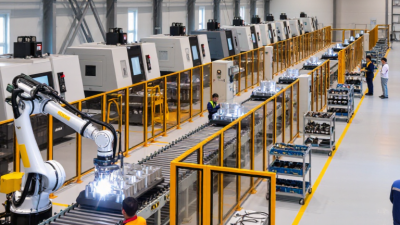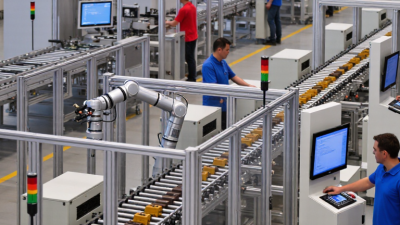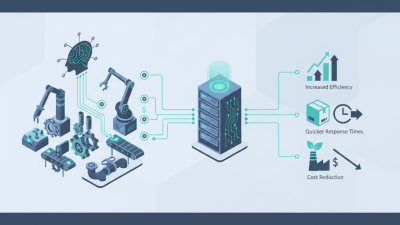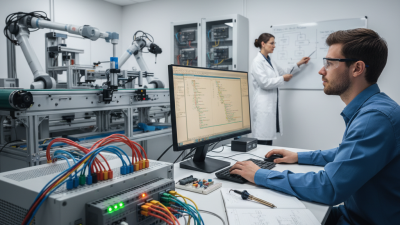
Automation design is entering a more demanding phase in 2026. Global buyers now expect faster production, safer workplaces, lower energy use, and simpler maintenance. A robotic cell may look impressive, yet a poorly planned interface can stop an entire line.
This article explores the leading automation design trends shaping international purchasing decisions. It examines collaborative robots, modular systems, digital twins, edge analytics, machine vision, and energy-aware controls. It also considers practical concerns, including regional standards, cybersecurity, spare parts, operator training, and long-term service support. Small details matter. A clearly labeled emergency button can save valuable minutes during a fault.
Lisanne Bainbridge, a respected human-factors researcher, wrote, “The more advanced a control system is, the more crucial may be the contribution of the human operator.” Her observation remains highly relevant. Smart equipment should support people, not hide critical decisions behind complex software. Buyers should question impressive demonstrations and request evidence from comparable installations. Factory conditions are rarely perfect. Dust, unstable networks, changing product sizes, and limited technical staff can expose weak assumptions.
Some predictions will fail.
That is normal.
The strongest automation design strategies will combine technical performance with human judgment. They will also remain flexible when production goals change. For global buyers, the real advantage may not be the newest machine. It may be a dependable system that workers understand, maintain, and improve over time.
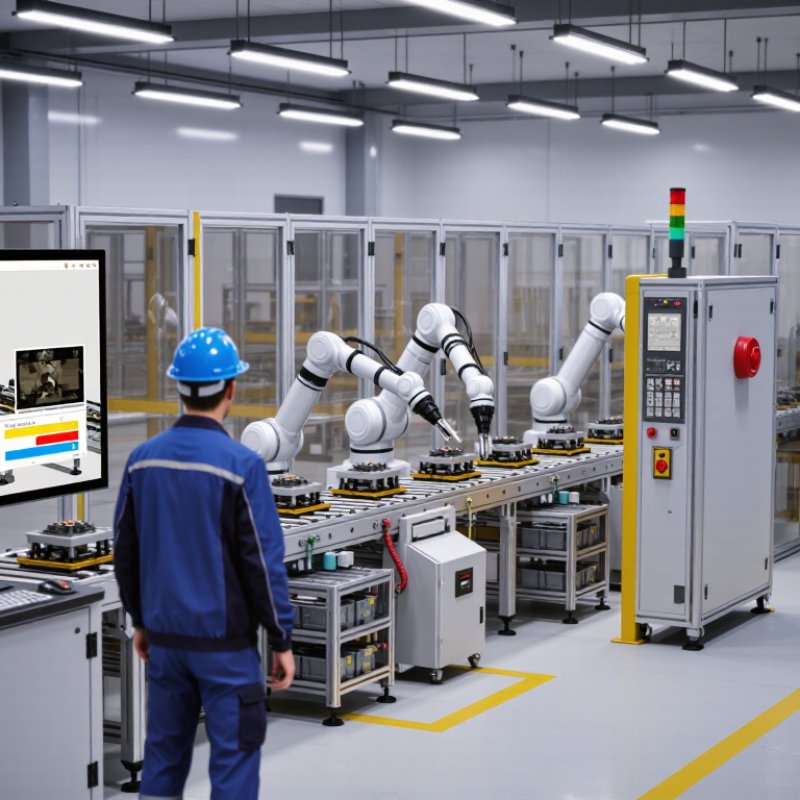
Automation design in 2026 means creating systems that fit real working conditions, not merely adding more machines.
For global buyers, design decisions must account for local labor skills, power quality, workspace limits, and maintenance access. A control panel should remain understandable during a night shift. A sensor should be replaceable without stopping an entire line. Small details often decide whether automation succeeds.
Buyers increasingly evaluate the full operating environment before approving equipment. They ask how data is stored, who can access it, and how faults are reported. They also check safety procedures, training materials, language options, and compatibility with existing systems. Regional standards may differ, so documented testing and clear technical records matter. Reliable suppliers explain limitations instead of promising perfect performance.
This approach is not flawless. A highly efficient workflow can become difficult to repair. Remote monitoring may help experts respond faster, yet it can create dependence on stable networks. Design teams should test manual recovery, sensor failure, and operator mistakes before deployment. A short trial on the production floor may reveal more than a polished presentation. Global buyers need automation that is practical, transparent, and adaptable, even when conditions change unexpectedly.

Automation design in 2026 will be shaped by labor shortages, artificial intelligence, and faster production changes. The International Federation of Robotics reported 541,302 industrial robot installations worldwide in 2023. This record shows strong demand, but purchasing volume alone does not guarantee useful automation. Designers now need systems that operators can adjust without rebuilding entire production cells.
People remain central.
The World Economic Forum’s Future of Jobs Report 2025 expects 22% of current jobs to change by 2030. It also forecasts 170 million new roles and 92 million displaced roles. These figures strengthen the case for human-machine collaboration, practical training, and safer interfaces. In factory trials, clear status lights, guided maintenance screens, and reachable controls can reduce hesitation during faults. Yet many projects still treat training as an afterthought. That is an expensive weakness.
Energy performance will also influence global purchasing decisions. Buyers increasingly request measurable consumption data, standby modes, and repairable components. Connected sensors can reveal air leaks, motor overloads, and repeated stoppages before they become costly failures. However, more connectivity creates cybersecurity and integration risks. Open communication standards, role-based access, and documented data ownership should enter the design phase. Smaller suppliers may struggle with this requirement. The industry needs simpler compliance methods, not only more technical layers.
Global industrial robot installations remained at historically high levels between 2019 and 2023, reinforcing the need for automation designs that are modular, scalable, software-ready, and easier to integrate across different production environments.
Source: International Federation of Robotics, World Robotics 2024. Figures represent annual global industrial robot installations.
For global buyers, automation design is shifting from fixed lines to modular, scalable systems. A machine should accept a new gripper, sensor, or software module without rebuilding the cell. That flexibility matters when product cycles shrink and regional demand changes. The International Federation of Robotics reported 541,302 industrial robots were installed worldwide in 2023. The installed base exceeded 4.2 million units. Demand is real. Yet capacity alone is not enough.
Modular architecture lets factories begin with one process, then add inspection, handling, or packaging stations as orders grow. Standardized interfaces reduce commissioning work and make maintenance skills easier to transfer across sites. According to Deloitte’s 2024 Smart Manufacturing and Operations Survey, 86% of respondents expect smart manufacturing to become a primary competitiveness driver within five years. A modular cell can also support local compliance and different operator workflows without changing core equipment. But modularity is not automatically efficient. Poorly defined interfaces create hidden costs.
In practical projects, buyers should test changeover time, spare-part access, cybersecurity, and training before approving a design. A useful pilot might run three products through one cell, measuring minutes, errors, and unplanned stops. This exposes the uncomfortable gap between a flexible diagram and a reliable factory. Some projects still overbuy capacity. That mistake deserves closer review.
In 2026, automation buyers are evaluating more than speed and output. They want systems that explain decisions, adapt safely, and support skilled workers. AI-driven control can analyze vibration, temperature, and cycle-time data during production. It can then adjust operating parameters before small deviations become costly downtime.
Human oversight remains essential. On a practical factory floor, an operator may receive a clear alert on a panel, inspect a machine, and approve the next action. Collaborative robots can handle repetitive loading while people manage quality checks, exceptions, and process improvements. Good interfaces use plain language, visible status signals, and simple recovery steps. Workers should not need programming expertise for every adjustment.
Transparency builds trust. Buyers should request test records, maintenance procedures, cybersecurity controls, and training evidence before deployment. Pilot projects are valuable because simulated performance often differs from real production. We have seen promising systems struggle with dust, changing materials, or incomplete data. That weakness deserves attention, not marketing language. AI also needs boundaries, manual overrides, and regular performance reviews. Human-machine collaboration works best when responsibility is clear, feedback is immediate, and the technology respects practical experience. Capability grows through careful testing.
Global buyers now evaluate automation beyond purchase price. They compare cycle time, energy use, operator training, and service response. A clear performance baseline matters. Ask for measured results from a similar production environment. A polished demonstration can hide difficult installation conditions.
Integration begins with the factory floor. Buyers check electrical standards, network compatibility, safety controls, and available space. They also review data formats before signing contracts. A small interface mismatch can delay commissioning for weeks. Site surveys should include cable routes, temperature changes, dust levels, and emergency access. Early checklists often miss these details.
Maintenance planning starts before delivery. Buyers should confirm spare-part availability, remote diagnostics, inspection intervals, and local technical support. Simple fault logs help technicians identify repeated failures. Keep them readable. Training should use real alarms and realistic recovery tasks, not only classroom slides. A modular design can reduce downtime, but it may increase the initial cost. That trade-off deserves honest review. No system performs perfectly forever. Regular performance audits can reveal declining accuracy, inefficient motion, or operator workarounds. These observations support safer upgrades and more reliable long-term operation.