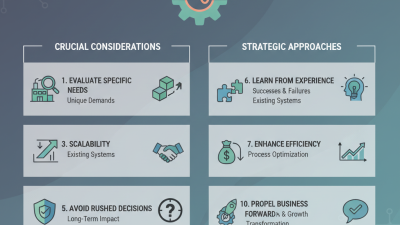
How to Choose the Right Control Systems Automation?
Choosing the right control systems automation platform can shape safety, uptime, and operating costs for years. The decision begins with the process, not the product brochure. A food plant, water facility, and chemical manufacturer may need very different architectures.
Start by mapping real operating conditions. Record cycle times, temperature ranges, network distances, alarm counts, and planned expansions. Speak with operators who reset faults at 3 a.m. Their experience often reveals problems that specifications hide. Review controller capacity, sensor compatibility, cybersecurity controls, maintenance access, and supplier support. A system that looks affordable may demand expensive training or proprietary replacements later.
Start with evidence. Request reference sites with similar loads and environments. Ask how the system performed during power interruptions, communication failures, and software updates. Independent testing, documented service records, and clear warranty terms strengthen trust. So does a practical pilot using one production cell. It can expose integration gaps before they affect an entire facility.
No selection is perfect. I have seen teams overvalue fast installation and underestimate future data needs. That mistake is easy to repeat. Keep it measurable. Define priorities, such as reducing unplanned downtime by 15 percent or cutting alarm response time. Then compare lifecycle value, resilience, usability, and compliance requirements. The best control systems automation choice should support people, adapt to change, and remain understandable when conditions become difficult.

Understanding Control Systems Automation and Its Core Functions
How to Choose the Right Control Systems Automation?
Understanding control systems automation begins with its core functions. A system collects signals from sensors, processes operating data, and sends commands to equipment. Temperature, pressure, flow, and position become measurable inputs. Controllers compare these values with target settings. They then adjust valves, motors, heaters, or pumps. This feedback loop keeps production stable, even when conditions change.
A reliable automation design also manages alarms, trends, records, and operator access. For example, a high-pressure alarm should appear before a vessel reaches a dangerous limit. Clear screens help operators recognize the problem quickly. Historical data can reveal a slowly rising motor temperature during a night shift. Safety functions must remain independent where necessary. Communication security also deserves attention, including user permissions, network separation, and controlled software updates.
Choosing the right system requires more than comparing features. Check response time, expansion capacity, maintenance needs, and staff training. Ask whether technicians can replace a sensor without stopping the whole process. Review wiring plans and failure responses under realistic conditions. A small pilot can expose hidden problems, such as delayed signals or confusing alarm priorities. Perfect designs rarely exist. Even experienced teams may overlook an unusual operating condition. Regular testing, documented changes, and honest reviews make the system more dependable. The best choice fits the process, the people, and the risks they actually face.
How to Choose the Right Control Systems Automation?
Typical Update Intervals Across Control System Functions
Update intervals vary by control-system function. Fast machine and process-control loops commonly operate in milliseconds to seconds, while supervisory monitoring and historical data collection typically use slower refresh rates. Select automation hardware and software according to the required response time, process criticality, integration needs, and scalability.
Defining Operational Requirements and Automation Objectives
Choosing the right control systems automation starts with defining operational requirements, not selecting equipment. I begin by observing the work area during normal production. A quiet morning can hide serious process problems.
Document the process in practical terms. Record production rates, temperature ranges, pressure limits, response times, and acceptable variation. Note where operators make manual adjustments. Their workarounds often reveal missing requirements.
Make the objectives measurable. “Improve efficiency” is too vague. A stronger objective might reduce unplanned downtime by 15% within six months. Other useful targets include fewer quality deviations, faster changeovers, and lower energy use. Each target needs an owner, a measurement method, and a review date.
Safety and reliability must shape the design from the beginning. Define shutdown conditions, alarm priorities, access controls, and recovery procedures. Include maintenance staff in these discussions. They understand difficult service points that design documents may overlook.
A control strategy should support real decisions. For example, an operator may need a clear alarm within two seconds, not a screen filled with competing messages. Test this requirement under realistic conditions, including sensor failure and communication loss. Document the results.
I once focused too heavily on automation speed. The system performed well, but operators found the interface confusing. That experience changed my process. Usability is an operational requirement, not a cosmetic feature.
Requirements should also remain flexible because production conditions change. Review them with process, maintenance, safety, and management teams before approving the final design.
Comparing Control System Types, Features, and Compatibility
Choosing control automation starts with process behavior, not a product list. A PLC suits fast, repeatable machine sequences. A DCS fits large continuous processes with many regulated loops. SCADA adds supervisory visibility across remote equipment. PAC systems can bridge machine control and data collection. It is not obvious. Compare cycle time, I/O count, redundancy, operator screens, and maintenance skills before deciding.
Compatibility reaches beyond communication protocols. Check signal types, voltage levels, scan rates, tag naming, time synchronization, and available drivers. A controller may support a protocol but exchange only basic data. Test communication with a spare panel before installation. Confirm whether existing sensors, variable-speed drives, safety devices, and historians can connect without custom gateways. Small mismatches can create expensive delays.
A practical evaluation should include expansion, downtime limits, cabinet space, and staff training. For remote sites, review network reliability and local data buffering. For hazardous processes, keep safety functions properly separated and independently verified. I have seen teams choose powerful systems that operators found confusing. That was a design failure, not a technical victory. A smaller system may be wiser when the process is simple, stable, and easy to maintain. Still, future expansion deserves a realistic review, because “later” often arrives sooner than expected.
Evaluating Safety, Scalability, Costs, and Maintenance Needs
How to Choose the Right Control Systems Automation?
Evaluating Safety, Scalability, Costs, and Maintenance Needs
A sound choice begins with a documented safety review. Map hazards, operating limits, emergency actions, and human intervention points. Ask whether the system supports independent safeguards, clear alarms, and controlled access. Do not treat compliance paperwork as proof of real protection. Test failure scenarios with operators in a realistic environment. Small warning. A weak alarm can matter more than an impressive dashboard. Use an independent risk assessment and traceable test records.
Scalability requires more than adding equipment later. Check available capacity, network design, data handling, and engineering workflow. The system should grow without forcing a complete redesign. Still, expansion plans are often optimistic. Use staged estimates for tags, users, processing load, and downtime. Reserve budget for integration, training, validation, and spare components. Cheap installation can become expensive when every change needs specialist support.
Compare total ownership costs across ten years, not only purchase price. Include licensing, energy, cybersecurity updates, inspections, repairs, and lost production. Maintenance deserves equal attention. Technicians need readable diagnostics, safe access, and practical documentation. Ask how quickly a fault can be isolated during a night shift. I have seen teams overlook maintenance because early demonstrations looked flawless. That judgment failed under dust, rushed handovers, and changing staff. Require acceptance tests, training records, and measurable response times. Leave room to revise assumptions after real operating data arrives.
Selecting and Implementing the Most Suitable Automation Solution
Selecting a control automation solution should begin with process evidence, not impressive specifications. The World Economic Forum’s Global Lighthouse Network reports productivity gains of up to 40% in advanced manufacturing sites. However, those results depend on disciplined implementation. Start with the process.
Map each production step, control loop, alarm, and manual handoff. Measure downtime, cycle time, energy use, and quality losses. The International Energy Agency’s Energy Efficiency 2024 report identifies industry as responsible for about 37% of global final energy consumption. Energy data therefore belongs in the selection criteria. Choose systems that can connect operational data with energy and maintenance records.
Implementation needs a controlled pilot. Test one line before expanding across the plant. Confirm compatibility with existing controllers, supervisory systems, databases, and open communication protocols. Cybersecurity, employee training, data ownership, and recovery procedures must be assessed early. They are not optional extras. A cheaper system can become expensive when engineers cannot diagnose faults quickly. In plant assessments, a recurring lesson is that unclear ownership causes more delays than software limitations. That lesson is uncomfortable. A pilot may still fail. That is useful. Review the failure, adjust the requirements, and document measurable acceptance targets for safety, uptime, quality, and energy performance before full deployment.