How to Use Industrial PLC for Automation in Manufacturing?
In the rapidly evolving manufacturing landscape, automating processes has become essential. Industrial PLCs (Programmable Logic Controllers) play a significant role in this transition. According to Dr. Emily Torres, a leading expert in industrial automation, “Industrial PLCs empower manufacturers to achieve efficiency and precision like never before.” Her insights reflect the growing reliance on these systems in modern factories.
Industrial PLCs manage and control complex machinery with precision. They enable real-time monitoring and data collection, ensuring businesses can adapt to changing demands swiftly. This adaptability is critical in an industry where delays can lead to significant losses. However, the integration of Industrial PLC technology is not without challenges. Many companies struggle with implementation issues and training requirements.
Understanding the importance of industrial PLCs can help organizations overcome these hurdles. Investing in the right technology and training can vastly improve operational efficiency. As we explore the effective use of Industrial PLCs in manufacturing automation, we can learn from both successes and missteps. Embracing this technology may well define the future of the industry.
Understanding the Basics of Industrial PLC in Manufacturing Automation
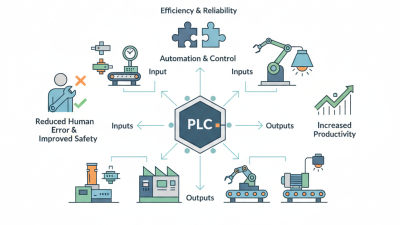
In manufacturing, Industrial Programmable Logic Controllers (PLCs) are crucial for automation. These devices control machinery and processes efficiently. Understanding how they work is essential for effective implementation.
PLCs can be programmed to execute specific tasks, from simple on/off controls to complex sequences. They operate using a set of logical instructions, allowing them to respond to various inputs and outputs. For example, if a sensor detects a fault, the PLC can halt operations to prevent damage. This responsiveness enhances safety and efficiency. However, programming requires a detailed understanding. Many operators make common mistakes, such as neglecting proper I/O configuration or overlooking error handling routines.
The integration of PLCs can significantly improve operational workflows. They can reduce downtime through precise monitoring and control. However, not all systems are perfect. Some may face communication issues or software bugs. Continuous learning and adaptation are necessary. Regular updates and troubleshooting can enhance reliability. PLCs are powerful tools, but they require diligent oversight to function optimally in manufacturing environments.
Key Components and Functions of a PLC System in Manufacturing
Programmable Logic Controllers (PLCs) are vital in modern manufacturing. They improve efficiency by automating various processes. Key components of a PLC system include the CPU, input/output modules, and power supply. The CPU is the brain, processing data and executing programs. Input modules collect data from sensors, while output modules control actuators to execute commands.
Each part plays a specialized role. For example, sensors might detect a malfunction in a machine. The PLC processes this information and sends a signal to stop the machine. This rapid response can prevent larger issues. However, improper integration of components can lead to system failures. Ensuring compatibility is essential for reliable operation.
Programming also requires expertise. Errors in code may cause unexpected behavior in the system. Continuous monitoring and adjustments are necessary to maintain optimal performance. It’s a balance between innovation and understanding the limits of technology. The evolution of PLC systems reflects ongoing changes in manufacturing strategies.
Setting Up and Configuring PLC for Automation Processes
Setting up and configuring a Programmable Logic Controller (PLC) is crucial for automating manufacturing processes. A well-configured PLC can enhance efficiency by up to 30%, according to industry reports. This efficiency gains mean reduced downtime and faster production cycles. Start by understanding the unique requirements of your production line. Each system may have specific needs based on the machinery used.
Choosing the correct inputs and outputs is essential. Ensure the PLC can communicate with all machines on the floor. Implementing sensor data into your configuration helps in monitoring real-time performance. For instance, feedback loops from temperature or pressure sensors allow for immediate adjustments. Reports indicate that plants utilizing such configurations experienced an average 25% reduction in energy consumption. This not only enhances productivity but also contributes to sustainability efforts.
Regular maintenance is often overlooked. Periodic checks and updates to your PLC programming can prevent unexpected failures. Faulty configurations can lead to expensive downtimes. In fact, studies suggest that the cost of unplanned downtime can reach thousands of dollars per hour. Be proactive in reviewing configurations to ensure everything runs smoothly and efficiently.
Programming Languages Used for PLCs in Manufacturing Automation
In manufacturing automation, programming languages for Programmable Logic Controllers (PLCs) play a crucial role. Among these, Ladder Logic is the most common. It mimics electrical relay logic, making it intuitive for technicians. According to industry reports, over 60% of PLC users prefer Ladder Logic due to its simplicity and effectiveness.
Structured Text is another popular language, known for its advanced functionalities. It allows complex calculations and data handling. A survey from Automation World indicated that about 25% of manufacturers are shifting towards Structured Text for its versatility. This trend highlights the evolving needs for more sophisticated programming tools.
However, challenges exist with these languages. Ladder Logic can become cumbersome for large, complex systems. On the other hand, Structured Text may have a steeper learning curve. These drawbacks remind manufacturers to evaluate their specific needs carefully. Selecting the right programming language is vital for efficient automation and production.
Implementing PLC-Based Automation: Best Practices and Tips
Implementing PLC-based automation in manufacturing requires careful planning and execution. According to a recent study from the International Society of Automation, companies using Programmable Logic Controllers (PLCs) report a 15-30% reduction in operational costs. This emphasizes the significance of adopting PLC technology.
One best practice is to ensure proper training for your team. Employees should understand both the hardware and software components of the PLC systems. A well-trained staff can troubleshoot issues effectively, minimizing downtime. It's reported that 70% of downtime in manufacturing is due to human error. By investing in training, you reduce this risk significantly.
In addition, maintaining documentation can be crucial. Keeping records of modifications and maintenance helps track performance. Regular audits of both system software and hardware should be part of the process. Consider conducting audits quarterly to identify potential failures before they escalate. This proactive approach can prevent loss of productivity and expensive repairs. Lastly, involve your team in the optimization process. Gathering insights from various departments can lead to innovative improvements and solutions.
PLC-Based Automation Efficiency in Manufacturing
This bar chart illustrates the impact of PLC-based automation on various efficiency metrics in manufacturing. Each metric represents the percentage improvement attributed to the implementation of PLC systems within industrial processes.