Top Control Systems Innovations to Watch in 2026?
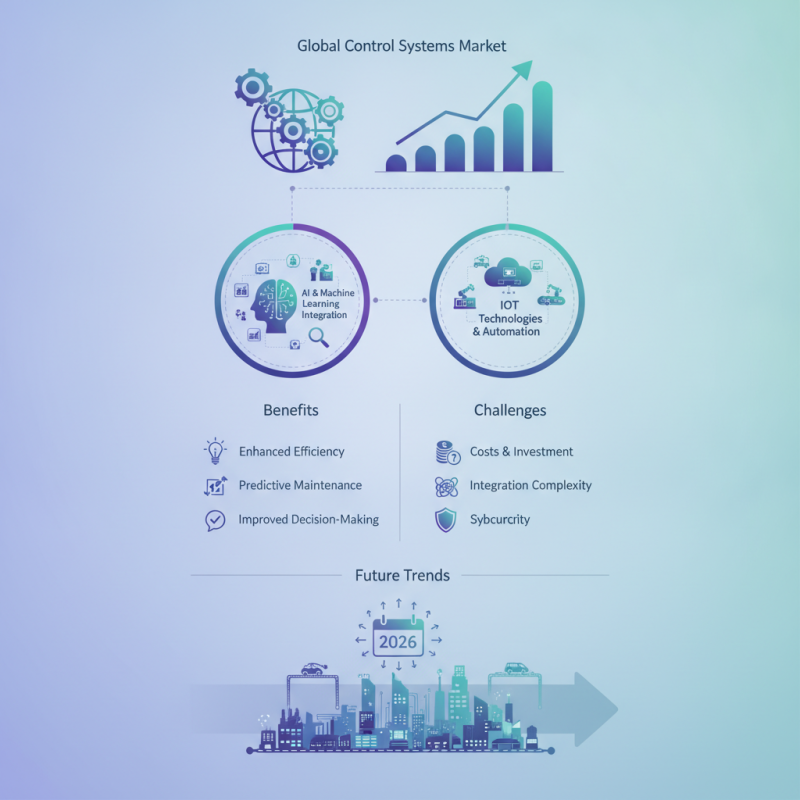
As we approach 2026, the realm of control systems is set to experience significant innovations. A recent report from McKinsey highlights that the global control systems market is projected to reach $200 billion by 2025, driven by advancements in automation and IoT technologies. This rapid growth underscores the urgency for industries to adopt advanced control solutions to enhance efficiency and reduce costs.
In various sectors, such as manufacturing and transportation, control systems play a pivotal role in optimizing operations. Industry experts emphasize the increasing need for smart control systems that integrate AI and machine learning. Such systems not only improve decision-making processes but also enhance predictive maintenance capabilities. However, the implementation of these technologies comes with challenges. Companies must consider the costs and complexities of integrating new systems with existing infrastructure.
Organizations must stay ahead by embracing these innovations. A strong understanding of upcoming trends is essential to capitalize on the benefits. Balancing technological investment with practical applications remains crucial. This is not merely about adopting the latest technology; it involves a thoughtful approach to improve overall functionality and performance in a fast-evolving landscape.
Emerging AI Technologies in Control Systems: Impact and Projections for 2026
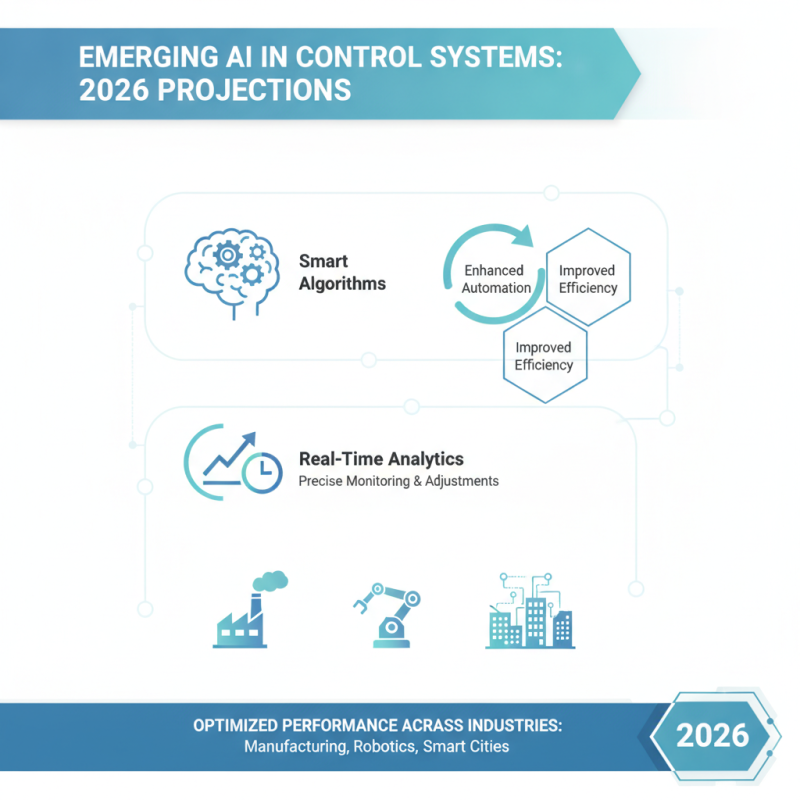
Emerging AI technologies are set to transform control systems by 2026. These innovations will enhance automation capabilities and improve efficiency. Smart algorithms will enable more precise monitoring and adjustments. For instance, real-time analytics will optimize performance across various industries.
Machine learning will play a crucial role. It can predict system failures before they happen. Predictive maintenance will reduce downtime, saving time and money. However, reliance on AI raises important questions. How do we address the potential for bias in algorithms? Ensuring fairness in AI remains a challenge.
Another area to explore is human-AI collaboration. While automation reduces manual tasks, human oversight is still vital. The balance between AI and human input is delicate. Organizations must find ways to integrate these technologies responsibly. With careful planning, the industry can harness the full potential of AI in control systems while anticipating the potential pitfalls.
Trends in Cybersecurity for Industrial Control Systems and Their Future
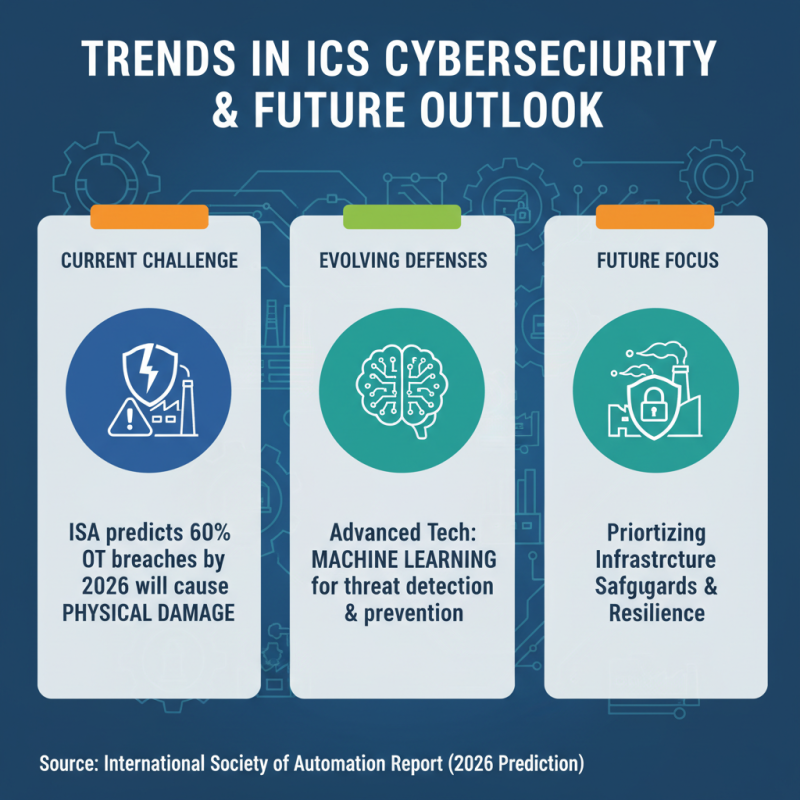
As industrial control systems evolve, cybersecurity remains a critical focus. In fact, a report by the International Society of Automation predicts that by 2026, 60% of operational technology security breaches will cause physical damage. This alarming statistic underscores the urgency to prioritize cybersecurity measures. Many organizations are investing in advanced technologies like machine learning to bolster defenses against threats. This innovation trend is becoming essential for safeguarding vital infrastructure.
Moreover, a survey from Cybersecurity Insiders indicates that 70% of businesses believe their operational technology is vulnerable to cyberattacks. This perception highlights a gap in security practices. Many companies struggle with outdated systems lacking robust security protocols. As sophisticated threats emerge, reliance on legacy systems will only increase risks. The need for comprehensive security frameworks is more urgent than ever.
In response to these challenges, experts suggest a multi-layered cybersecurity strategy. Integrating AI-based threat detection can enhance real-time monitoring capabilities. Additionally, constant training for personnel is crucial. A report from the World Economic Forum estimated that human error accounts for 90% of cybersecurity incidents. Thus, prioritizing education and awareness is vital in mitigating risks in industrial control systems. This ongoing evolution calls for continuous reflection on security practices and vulnerabilities.
Integration of IoT in Control Systems: Anticipated Developments by 2026
The integration of the Internet of Things (IoT) into control systems is rapidly changing the landscape of automation. By 2026, it is anticipated that over 80% of control systems will be IoT-enabled, enhancing data analytics and real-time monitoring. This shift allows for greater efficiency and reduced operational costs. However, it also presents challenges in data security and interoperability between different devices.
Studies indicate that the global IoT market for control systems will reach approximately $45 billion by 2026, highlighting the investment trends in this sector. As system complexity increases, the need for skilled professionals in IoT integration grows. Organizations must address the skill gaps to fully leverage these technologies.
Cybersecurity vulnerabilities remain a concern, with predictions suggesting that 60% of IoT devices could be exposed to cyber threats by 2026.
Furthermore, the reliance on continuous connectivity raises questions about system failures during outages. While the promise of smarter control systems is enticing, the practical implementation requires careful planning. Businesses must strive to balance innovation with robust security measures. Ensuring seamless communication among devices and safeguarding against potential threats will be key to the successful implementation of IoT in control systems.
The Role of Digital Twins in Evolving Control System Strategies
Digital twins have emerged as a transformative tool in control system strategies. By creating a virtual replica of physical assets, organizations can analyze real-time data and forecast potential issues. According to a recent industry report, companies utilizing digital twins have experienced a 25% increase in operational efficiency. This increase often results from predictive maintenance and optimized resource allocation.
However, not all implementations of digital twins are successful. Some organizations struggle with integration into existing systems. This can lead to data silos and poor communication between teams. A study found that around 30% of digital twin projects fail due to inadequate planning and lack of stakeholder engagement. Overcoming these hurdles requires careful strategy and the alignment of technology with business goals.
Moreover, the continuous evolution of digital twin technology raises questions about data reliability. As more organizations adopt these tools, ensuring data integrity remains a challenge. The lack of standardization can lead to inconsistencies in data interpretation. Empowering teams with the right training could mitigate some of these issues, yet this area still needs more exploration. Balancing innovation with accountability is crucial as the landscape evolves.
Advancements in Automation and Robotics for Enhanced Control System Efficiency
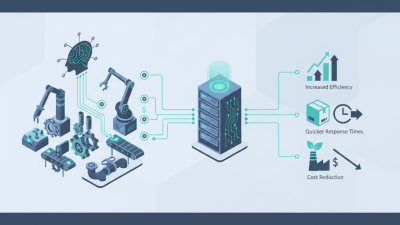
The landscape of automation and robotics is evolving rapidly, driving innovations in control systems. A recent report by McKinsey indicates that the industry could see an increase of 25% in productivity by 2026 due to advancements in these technologies. Enhanced efficiency in control systems is becoming essential as businesses look to streamline operations.
Integrating artificial intelligence into automation processes is key. AI enables machines to learn from data, improving decision-making and operational efficiency. The International Federation of Robotics found that AI adoption in manufacturing could reduce downtime by up to 30%. However, organizations must remain vigilant about the potential for over-reliance on these technologies. Regular assessments of system performance are vital.
Tip: Regularly review your control systems. Identify inefficiencies and adapt your strategies accordingly. The continuous evolution of technology requires a proactive approach to remain competitive. Emphasizing worker training alongside technological advancements ensures smooth integration and optimal performance. Balancing both aspects is not always straightforward but crucial for success.