Why Are Control Systems Important in Automation?
Automation is no longer limited to repetitive factory tasks. It now coordinates robots, sensors, motors, valves, and software across modern production environments. At the center, control systems automation turns measured information into controlled action. A temperature sensor detects rising heat. A controller evaluates the difference. An actuator adjusts the cooling valve within seconds.
Reliability depends on this continuous feedback. Richard C. Dorf, a respected control-systems educator, explains, “The purpose of a control system is to control the output of a dynamic system.” This principle remains practical on a factory floor. A well-designed system can maintain pressure, reduce material waste, improve product consistency, and protect workers from dangerous operating conditions. It can also record performance data, helping engineers identify unusual vibration, delayed responses, or energy losses before failures become expensive.
Still, automation is not automatically intelligent.
Engineers must choose suitable sensors, define safe operating limits, and test failure responses under realistic conditions. A poorly calibrated instrument may create false confidence. An overly complex interface can confuse operators during an emergency. These weaknesses deserve honest review, even when the system appears efficient.
Effective control systems automation combines engineering judgment with dependable hardware, clear procedures, cybersecurity awareness, and human oversight. Its value is not merely faster production. It is the ability to make industrial processes more stable, observable, and repeatable. The following discussion examines why control systems matter, how they support operational decisions, and where thoughtful design can prevent small errors from becoming major disruptions.
What Are Control Systems in Automation?
What Are Control Systems in Automation?
A control system is the part of an automated process that measures conditions, makes decisions, and adjusts equipment. It links sensors, a controller, and devices such as motors or valves. A temperature sensor, for example, can report that a tank is cooler than its setpoint. The controller then signals a heater to add warmth. This feedback loop helps keep the process near its target, even when conditions change.
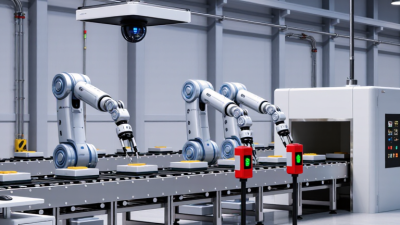
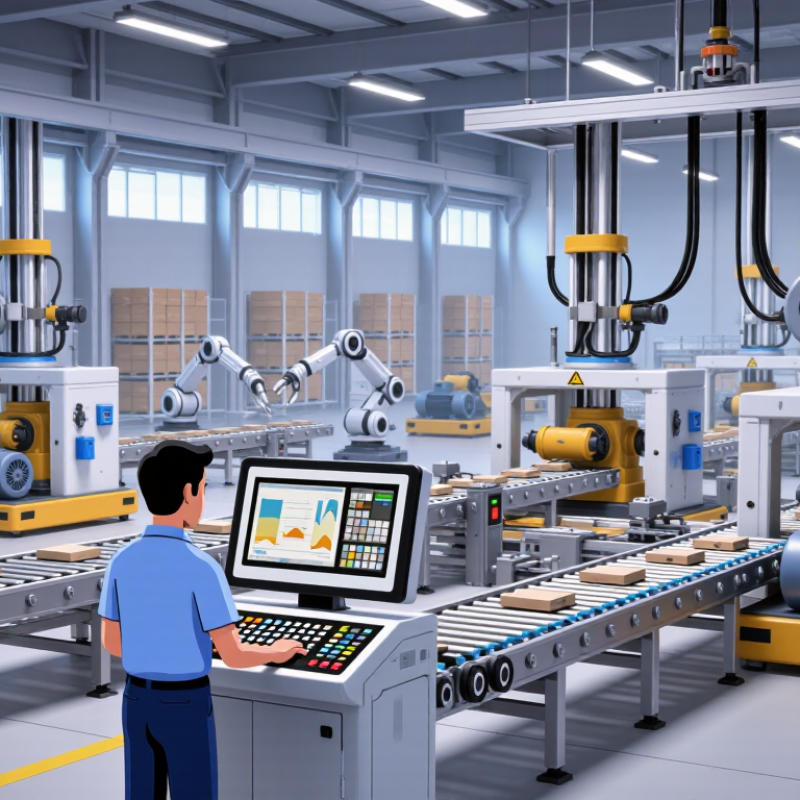
Some systems use simple on-off logic, while others adjust outputs gradually. In a packaging line, sensors might detect a bottle’s position and tell a conveyor when to pause. The controller follows programmed rules, but good results also depend on careful setup and accurate measurements. A loose sensor or poorly chosen setpoint can cause erratic operation. Automation is not magic. Even a well-designed system may need recalibration as equipment wears or production needs shift. I have seen small timing errors create surprisingly visible gaps between items.
Tips: Check sensor placement, test the response under realistic conditions, and record changes to settings. Keep the instructions clear. If readings seem inconsistent, inspect the physical setup before changing the control logic.
Why Are Control Systems Important in Automation?
A control system measures a process variable, compares it with a setpoint, and adjusts the process to reduce error. This illustrative temperature-control example shows the measured temperature moving toward a 100 °C setpoint.
Illustrative example data, not measurements from a specific industrial installation.
How Do Control Systems Operate?
A control system keeps a machine near a desired condition by measuring what is happening and adjusting its operation. In a packaging line, a sensor might detect a box beneath a filling nozzle. Its signal travels to a controller, which compares the measured position with the programmed target. The controller then sends an instruction to a motor or valve. Small corrections matter.
This cycle is called feedback. A temperature controller, for example, reads a probe inside an oven and compares the reading with the setpoint. If the oven is too cool, it increases heat; as the temperature approaches the target, it reduces output. The process repeats many times per second, depending on the equipment. Not every system uses feedback: some follow timed instructions without checking the result, which can be simpler but less responsive to changing conditions.
In practice, control depends on more than sensors and code. Wiring noise, a sluggish valve, or a poorly placed probe can produce misleading readings. Engineers test response under different loads, set safe operating limits, and check what happens when a sensor fails. There is no perfect tuning. A system adjusted too aggressively may overshoot, while a cautious setting may respond slowly. Operators still need clear alarms and a way to stop equipment safely.
Why Are Control Systems Important in Automation? — How Do Control Systems Operate?
| Control System Element |
What It Does |
Example in Automation |
Why It Matters |
| Setpoint |
Defines the desired value or condition for a process. |
A temperature controller is configured to maintain a tank at a specified temperature. |
Gives the system a target against which actual performance can be measured. |
| Sensor |
Measures a physical condition, such as temperature, pressure, position, or flow. |
A temperature sensor measures the tank temperature and sends a signal to the controller. |
Provides feedback about the process so the controller can respond to changing conditions. |
| Controller |
Compares the measured value with the setpoint and determines a corrective action. |
A programmable logic controller (PLC) uses sensor inputs and programmed logic to control equipment. |
Coordinates automated decisions consistently and can respond without continuous manual intervention. |
| Actuator |
Converts a control signal into physical action. |
A control valve changes fluid flow, or a motor drive adjusts motor speed. |
Allows the system to influence the process and reduce the difference between actual and desired conditions. |
| Feedback loop |
Returns measurements from the process to the controller for ongoing comparison and adjustment. |
If measured temperature falls below the setpoint, the controller can increase heating output. |
Helps maintain process conditions despite disturbances, such as changes in load or ambient temperature. |
| Open-loop control |
Issues a control action without using a measurement of the resulting output. |
A timer runs a conveyor for a preset duration without checking how far an item has moved. |
Can be simple and suitable for predictable tasks, but cannot automatically correct for unmeasured variation. |
| Closed-loop control |
Uses feedback to adjust the control action based on the measured output. |
A motor speed controller compares measured speed with a target and adjusts motor input. |
Supports more accurate regulation when process conditions or loads vary. |
| Monitoring and alarms |
Displays process information and signals abnormal conditions. |
An operator interface can show sensor readings and alert staff when a value exceeds a configured limit. |
Improves visibility of system status and helps people identify conditions requiring attention. |
What Roles Do Control Systems Perform?
Control systems give automated equipment a way to sense conditions, make decisions, and adjust its actions. Sensors measure details such as temperature, speed, pressure, or position. A controller compares each reading with a target value. It then signals motors, valves, or other devices to respond. This feedback loop helps machines maintain steady performance when conditions change.
They also coordinate sequences and support safe, repeatable operation. In a packaging line, for example, a sensor can detect a box, pause a conveyor, and trigger a filling step. The controller can flag a reading outside its configured range, giving operators time to investigate. Clear alarms and useful records help teams find recurring faults. Still, automation is not automatically reliable. A poorly chosen sensor or outdated setting can cause repeated errors, so systems need testing and review.
Tips: Set realistic targets, check sensor placement, and test responses under changing loads. Keep alarms specific and easy to understand. Review performance logs regularly. Small adjustments matter. Control systems can reduce routine variation, but people still need to question unexpected results and refine the setup over time.
What Benefits Do Control Systems Provide?
Why Are Control Systems Important in Automation?
Control systems provide the practical intelligence that keeps automated equipment stable, accurate, and responsive. They compare real conditions with target values, then adjust motors, valves, temperature, or speed. In a production cell, this can prevent a conveyor from feeding parts too quickly. The result is tangible. Fewer jams occur, cycle times become more consistent, and operators spend less time correcting routine mistakes.
A reliable control system also improves safety and product quality. Sensors can detect abnormal pressure, unexpected movement, or excessive heat before damage spreads. Automated feedback reduces variation between batches, which helps teams inspect fewer defective products. It also creates useful operating data. Engineers can study energy use, stoppages, and repeated alarms before making changes. These details support better maintenance decisions and reduce avoidable waste.
Control systems are not flawless. A dirty sensor can report false readings, while poor tuning may create vibration or delayed responses. That matters. Good automation therefore combines tested logic, clear alarms, regular calibration, and trained human oversight. In my experience, the strongest systems are not the most complicated ones. They are understandable, easy to test, and flexible when real production behaves differently from the original plan. A thoughtful design leaves room for review, because efficiency without reliability can create new problems.
Where Are Control Systems Used?
Control systems quietly direct many automated processes around us. They measure conditions, compare results, and adjust equipment through programmed decisions. In manufacturing plants, sensors track temperature, pressure, speed, and product position. A controller then changes motors, valves, or heaters within seconds. This reduces waste and protects workers from repetitive hazards. During commissioning, even a small timing error can cause jams or uneven production. Perfect performance is rare.
In commercial buildings, control systems regulate lighting, ventilation, heating, and cooling. A room can feel comfortable without wasting energy on empty spaces. Water treatment facilities use them to manage pumps, filters, chemical levels, and storage tanks. Agricultural operations also rely on automated irrigation. Moisture sensors can trigger watering when soil becomes too dry. The result depends heavily on sensor accuracy and maintenance.
Control systems also operate in transportation, power distribution, and medical equipment. Traffic signals respond to changing vehicle flows, while power networks balance supply and demand. In hospitals, automated devices help maintain controlled temperatures and precise operating conditions. I have learned that a stable screen does not always mean a healthy system. A blocked sensor may report normal values. Operators still need practical training, inspections, and human judgment. That gap deserves attention.