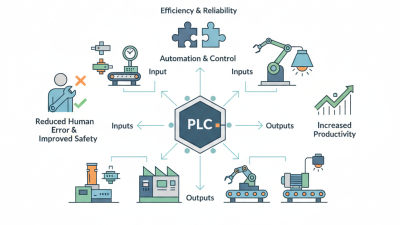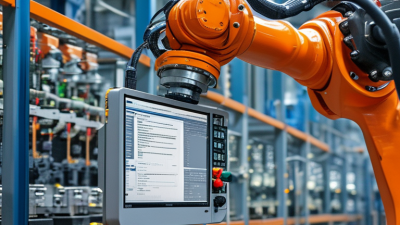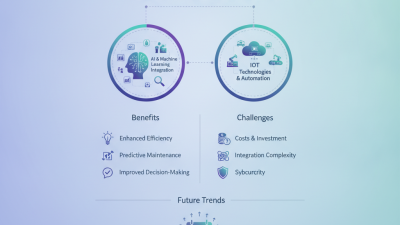
Choosing among the top industrial PLC manufacturers and suppliers worldwide requires more than comparing product prices. A programmable logic controller must survive electrical noise, heat, vibration, and continuous production demands. It also needs clear diagnostics, secure communications, and long-term parts availability.
Dick Morley, widely recognized as the father of the PLC, described it as “a computer designed for the factory floor.” That description still matters. Modern industrial PLC platforms control conveyors, robotic cells, packaging lines, water systems, and energy equipment. Their performance depends on the complete ecosystem, including engineering software, input and output modules, safety functions, training, and local technical support.
Leading manufacturers often distinguish themselves through proven reliability and deep automation portfolios. Suppliers add value by offering configuration advice, spare-parts planning, commissioning, and responsive maintenance. A strong supplier should explain compatibility with existing networks, programming standards, and plant requirements. IEC 61131-3 practices, industrial Ethernet options, and cybersecurity capabilities deserve careful review.
Real factory experience can reveal details that brochures miss. How quickly can an engineer replace a failed module? Can technicians read the fault history without stopping production? Is support available after installation?
No single brand suits every facility. That is the uncomfortable part. A powerful controller may be excessive for a small machine, while a low-cost option can create expensive downtime later. This guide compares leading industrial PLC manufacturers and suppliers by technology, application coverage, reliability, support, and total ownership value. Some comparisons remain imperfect, because regional service quality and project complexity can change the final decision.
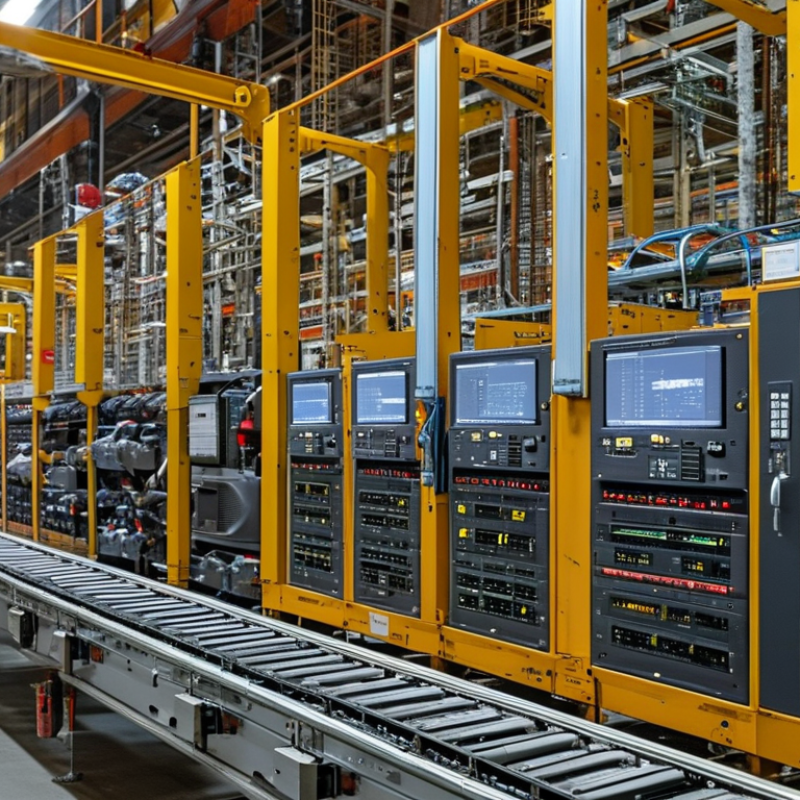
Industrial PLCs coordinate machines, conveyors, pumps, and safety-related processes in factories worldwide. Their value comes from dependable control, clear diagnostics, and integration with sensors, drives, and production software. The global market includes hardware manufacturers, engineering firms, authorized distributors, and specialized system integrators. Each group serves a different layer of the supply chain.
Demand is strongest in automotive, food processing, energy, logistics, and water treatment. Mature markets often replace aging controllers, while developing regions invest in new automation projects. Global suppliers compete through lifecycle support, cybersecurity updates, training, and local inventory. However, market rankings can be misleading. Revenue definitions differ, and some reports combine PLCs with broader automation products. Regional standards, language, technical skills, and import requirements also shape purchasing decisions.
Tips: Compare programming tools, communication protocols, spare-part availability, warranty terms, and local service coverage. Ask suppliers for realistic delivery times, not only catalog promises. Test one control cabinet before expanding a project. A lower purchase price may create higher engineering costs later. No market map is perfect; buyer feedback and field experience still matter. Procurement teams should document network compatibility, maintenance access, and verified performance data before signing contracts.

Industrial PLC manufacturers and suppliers vary sharply by region, shaped by local industries, regulations, and engineering habits. In North America, suppliers often focus on modular systems for factories, water treatment, and energy facilities. Their strengths include fast technical support, broad integration services, and strong documentation. Buyers should check spare-part availability, not only software features. Delays can stop an entire production line.
European manufacturers commonly emphasize safety functions, compact designs, and compliance with strict industrial standards. Suppliers in Germany, Italy, France, and neighboring markets often support automotive, packaging, and process automation projects. Their engineering teams may provide detailed commissioning records and lifecycle guidance. However, advanced specifications can increase training costs. A powerful controller is not always the easiest controller to maintain.
East Asian manufacturers serve high-volume electronics, machinery, and assembly markets. Their PLC solutions often offer rapid processing, flexible communication, and competitive pricing. Regional suppliers may keep local warehouses near major industrial zones. This reduces delivery time for input modules and communication cards. In India and Southeast Asia, growing suppliers increasingly support food processing, logistics, and renewable energy projects. Local service quality can differ widely. Regional comparisons are not perfectly clean. A practical evaluation should include factory visits, response-time tests, technician experience, and five-year maintenance estimates. In my experience, the best supplier is rarely the cheapest. It is the one that understands the machine at 2 a.m.
PLC product categories now reflect the plant’s scale, speed, and risk profile. Compact PLCs suit small machines with fixed I/O and limited panel space. Modular PLCs add expansion racks, distributed I/O, and clearer maintenance access. Rack-based systems support high point counts and faster data exchange. Safety PLCs handle monitored stops, guards, and emergency circuits under relevant functional-safety standards. Motion PLCs coordinate servo axes, synchronized conveyors, and precise positioning.
MarketsandMarkets valued the global PLC market at about USD 11.3 billion in 2023 and projects growth toward USD 14.8 billion by 2028. The figures vary by scope, so buyers should examine each report’s definition. The core technology remains a processor executing a repeated scan cycle: read inputs, run logic, update outputs, and diagnose faults. IEC 61131-3 languages, including ladder logic and structured text, support consistent engineering across applications.
Modern platforms increasingly combine industrial Ethernet, OPC UA communication, edge processing, and encrypted access controls. Redundant CPUs and power supplies reduce downtime in continuous operations. Cybersecurity is still uneven. A newer controller may have strong protocols but weak network segmentation. That is a design failure, not merely a product limitation. Engineers should test cycle time beside the actual I/O load, not only the brochure rating. A cabinet with warm relays, dusty terminals, and a crowded network often reveals more than a laboratory demonstration.
Industrial PLCs now support far more than basic machine sequencing. In packaging lines, they coordinate conveyors, servo drives, vision checks, and emergency stops. In automotive plants, PLCs synchronize welding cells, robotic handling, and torque monitoring. Process industries use them to regulate temperature, pressure, flow, and chemical dosing. According to the International Federation of Robotics, 541,302 industrial robots were installed worldwide in 2023. Each installation increases the need for reliable PLC communication, diagnostics, and safety control.
Energy facilities also depend on PLC systems for turbine monitoring, substation control, and predictive maintenance. Water treatment plants use them to manage pumps, filtration cycles, and chlorine dosing. The 2024 Deloitte Smart Manufacturing and Operations Survey found that 86% of manufacturers consider smart manufacturing important for competitiveness. However, digital readiness remains uneven. A modern PLC cannot repair poor wiring, inaccurate sensors, or weak maintenance procedures. That part is often forgotten.
Leading manufacturers and global suppliers increasingly provide modular controllers, remote I/O, industrial Ethernet, and cybersecurity features. ARC Advisory Group reports that distributed control and industrial software are becoming more closely connected across production environments. This shift helps operators view temperature trends on a plant dashboard instead of checking panels manually. Still, integration can fail when older equipment uses incompatible protocols. Engineers must verify cycle time, fault recovery, spare-part access, and staff training before selecting a platform. The cheapest controller may become expensive after one unresolved stoppage.
Choosing a PLC supplier requires more than comparing catalog prices. In my experience, reliable evaluation starts with application fit. Check processing speed, memory capacity, communication protocols, and expansion options. A controller should handle today’s workload without running at its limit. Leave room for future sensors, drives, and production changes.
Review the supplier’s engineering evidence carefully. Ask for test records, lifecycle information, firmware policies, and documented technical support. Qualified suppliers explain how systems perform in heat, vibration, electrical noise, and continuous operation. They should also provide clear programming tools and practical training. Cybersecurity matters too. Check access controls, update procedures, backup methods, and network segmentation. Do not accept vague promises. Request measurable response times and named support channels. Integration can still become difficult, even when specifications look perfect on paper.
Tips: Test a representative PLC system before purchase. Simulate faults, restart cycles, communication loss, and power recovery. Observe the diagnostics screen. Is the message understandable at 2 a.m.? Compare total ownership costs, including licenses, spare modules, training, maintenance, and downtime. A low initial price may hide expensive dependence on specialized support. My own evaluation process is not flawless; I once focused too heavily on performance and underestimated technician training. That mistake changed my checklist. Supplier stability, transparent documentation, and accessible expertise deserve equal attention.