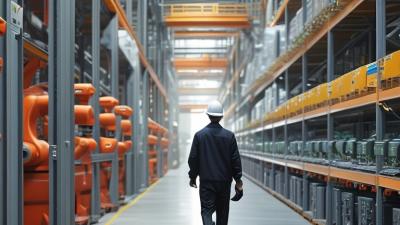
Why Are Industrial Control Systems Important?
Industrial control systems keep physical processes stable, visible, and safe. They regulate pressure in pipelines, temperature in chemical vessels, and water levels in treatment plants. Unlike ordinary office software, these systems influence pumps, valves, motors, turbines, and protective equipment. A delayed command can therefore create costly downtime or unsafe conditions.
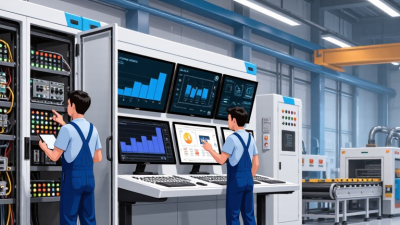
Their importance becomes clearer inside a control room. Operators watch colored process screens while sensors report changing temperatures and flow rates. Programmable logic controllers then respond within seconds, often without human intervention. Reliability matters because factories may operate continuously for months. Safety matters even more. Joe Weiss, a recognized industrial control systems cybersecurity expert, has warned, “There is no such thing as an air gap.” His statement challenges the assumption that isolated equipment is automatically secure. Maintenance laptops, vendor connections, removable media, and shared networks can create unexpected pathways.
Standards such as NIST SP 800-82 and the ISA/IEC 62443 series offer practical guidance for managing these risks. They emphasize asset visibility, network segmentation, secure access, monitoring, and recovery planning. These controls support both cybersecurity and operational resilience. Still, technology alone is insufficient. A well-designed system can fail through poor configuration, outdated documentation, or rushed maintenance. That uncomfortable point deserves attention. Industrial control systems are important because they connect digital decisions with physical consequences. Their value is measured not only by productivity, but also by continuity, worker protection, environmental care, and public trust. A balanced assessment must recognize their strengths while questioning every assumption about safety, isolation, and reliability.
What Industrial Control Systems Are and How They Operate
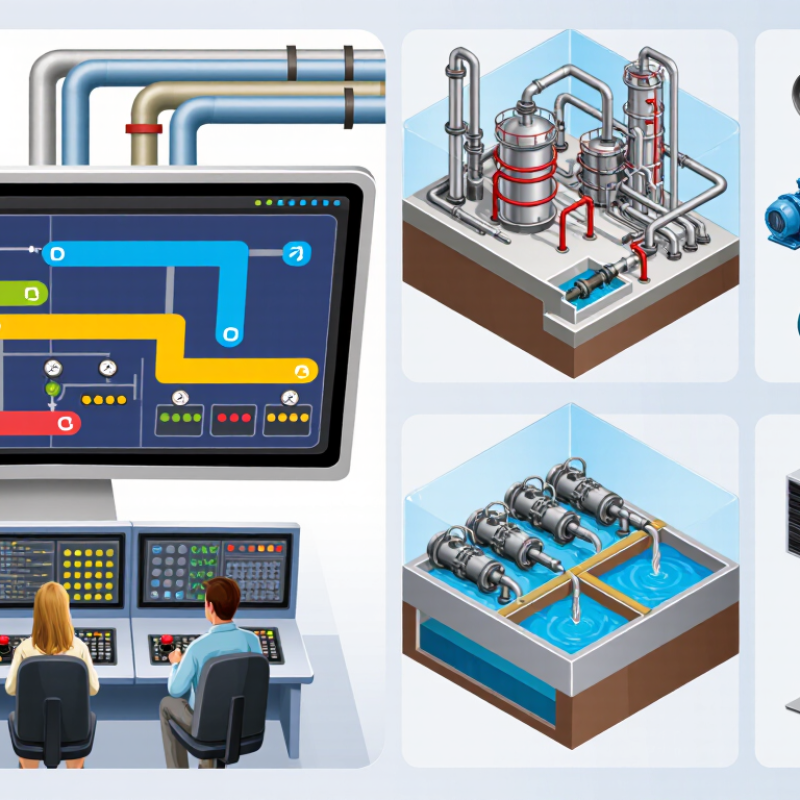
Industrial control systems, or ICS, operate the physical processes behind factories, water treatment plants, power stations, and transport networks. They connect sensors, controllers, actuators, and operator screens. A temperature sensor may detect rising heat. The controller then adjusts a valve, while the operator sees the change on a control-room display.
This process is continuous. Programmable logic controllers handle fast, repetitive decisions. Supervisory control and data acquisition systems collect information across distant sites. Distributed control systems coordinate complex plant operations. NIST Special Publication 800-82 Rev. 3 describes these environments as systems that monitor and control physical processes, often with strict timing and safety requirements. Their importance is measurable. The International Energy Agency reported in its World Energy Outlook 2023 that industry uses about 37% of global final energy. Poor control can therefore waste energy, damage equipment, or interrupt essential services. The boundary between information technology and operational technology is also less clear than many teams assume.
Tips:
Map every sensor, controller, and connection before changing settings. Separate critical networks where practical. Test updates in a safe environment first. Keep manual procedures available.
Security is not only a software issue. A locked cabinet, accurate alarm, or trained operator can prevent a serious failure. Yet some plants still rely on old diagrams and undocumented connections. That is uncomfortable, but realistic. Maintenance teams should record who changed a setting, why it changed, and what happened afterward. Small gaps can become large operational risks.
Core Components and Technologies Used in Industrial Control Systems
Industrial control systems are important because they connect physical equipment with operational decisions. In a processing plant, sensors may measure temperature, pressure, flow, or vibration every second. These readings help controllers adjust valves, motors, pumps, and heating units. A small error in calibration can still create serious process problems.
The core control layer usually includes programmable controllers, remote terminal units, or distributed controllers. They receive sensor signals, apply programmed logic, and send commands to actuators.
Operators supervise these activities through supervisory control software and human-machine interfaces. Clear screens matter. A confusing alarm at 3 a.m. can delay a safe response.
Control networks then carry data between field devices, controllers, operator stations, and engineering tools.
Data historians store time-based records for maintenance, quality checks, and performance analysis. Safety instrumented systems work separately when hazardous conditions require an emergency shutdown.
Cybersecurity also belongs in the design, not as an afterthought. Network segmentation, access controls, secure updates, and continuous monitoring reduce avoidable exposure.
In practice, no system is perfect. Old equipment may not communicate cleanly with newer devices, and excessive alarms can hide urgent warnings. Engineers should test failure scenarios, document changes, and review real operator feedback before trusting a design.
How Control Systems Improve Safety, Efficiency, and Reliability
Industrial control systems make production safer by watching pressure, temperature, speed, and flow continuously. A well-tuned system can stop a pump before overheating or isolate a leaking pipeline within seconds. The U.S. Bureau of Labor Statistics recorded 5,283 fatal workplace injuries in 2023. That figure does not measure control-system failures directly, but it shows why prevention must be designed into daily operations. NIST Special Publication 800-82 also recommends separating control networks and protecting them from unsafe changes.
Safety is only one benefit. Control systems adjust valves, motors, and heating cycles with consistent timing. The International Energy Agency reported that industry consumed about 37% of global final energy in 2022. Small control errors, repeated thousands of times, can become major energy losses. Better feedback can reduce idle running, stabilize product quality, and expose abnormal consumption through simple trend screens. Operators see the process more clearly.
Reliability improves through alarms, redundancy, and condition monitoring. A vibration sensor can reveal a failing bearing before a conveyor stops beside a loaded workstation. However, automation is not magic. Poorly calibrated instruments still create confident mistakes. Alarm floods can also hide the one warning that matters. Engineers should test shutdown logic under realistic conditions, record maintenance evidence, and review near misses honestly. Human judgment remains necessary, especially when the process behaves differently from its digital model.
Their Role in Critical Infrastructure and Industrial Operations
Industrial control systems keep critical infrastructure moving. They connect sensors, controllers, software, and human decisions across complex facilities. In a water treatment plant, sensors measure flow, pressure, and chemical levels. Controllers then adjust pumps and valves within seconds. A small error can interrupt supply, damage equipment, or threaten public safety.
Industrial operations depend on predictable control. Power stations, factories, transport networks, and treatment facilities need accurate data every minute. Operators watch screens, review alarms, and compare current readings with normal patterns. Reliable systems also record events for maintenance, audits, and incident investigation. The details matter. A delayed alarm may be more dangerous than a visible equipment failure.
Security and safety must work together. Network separation can limit the spread of a digital intrusion. Tested backups can restore essential settings after equipment failure. Manual controls can provide a useful fallback, but only when staff practice using them. No system is flawless. That assumption is risky. Older controllers may resist modern updates, while aggressive patching can disrupt production. Engineers should test changes in a controlled environment and document every decision. Regular drills expose weak procedures, unclear responsibilities, and unrealistic recovery times. Human judgment still matters. A quiet control room does not always mean a healthy operation.
Key Challenges in Securing and Maintaining Control Systems
Industrial control systems matter because they regulate pumps, turbines, valves, furnaces, and production lines. Their failure can stop essential services within seconds. Unlike ordinary office networks, many control devices operate continuously and cannot accept frequent reboots or rapid software changes.
Security and maintenance are difficult because old controllers often lack modern authentication, encryption, or reliable logging. A 2024 international operational-technology survey reported that 73% of organizations experienced an intrusion affecting operations, systems, or data. The finding is concerning. Yet survey results may reflect different definitions of “impact,” so managers should avoid treating one percentage as universal truth. CISA also published hundreds of industrial-control advisories in recent years, showing how exposed devices continue to require specialist attention.
A practical weakness is visibility. Engineers may know every pressure limit, but not every remote connection. A forgotten maintenance laptop, shared password, or unpatched engineering workstation can connect directly to a live process. The 2024 World Economic Forum Global Cybersecurity Outlook found that 54% of large organizations considered supply-chain risk a major barrier to cyber resilience. Access should therefore be mapped, separated, and reviewed during each maintenance window. Passive monitoring is safer than aggressive scanning on fragile equipment. Still, monitoring alone cannot repair unsupported controllers or replace missing recovery procedures. Teams need tested backups, manual operating steps, spare hardware, and clear ownership between safety, engineering, and security staff. Some plants remain secure only because experienced operators notice unusual sounds or pressure changes. That is valuable, but it is not a dependable control.